
Last updated November 22, 2026
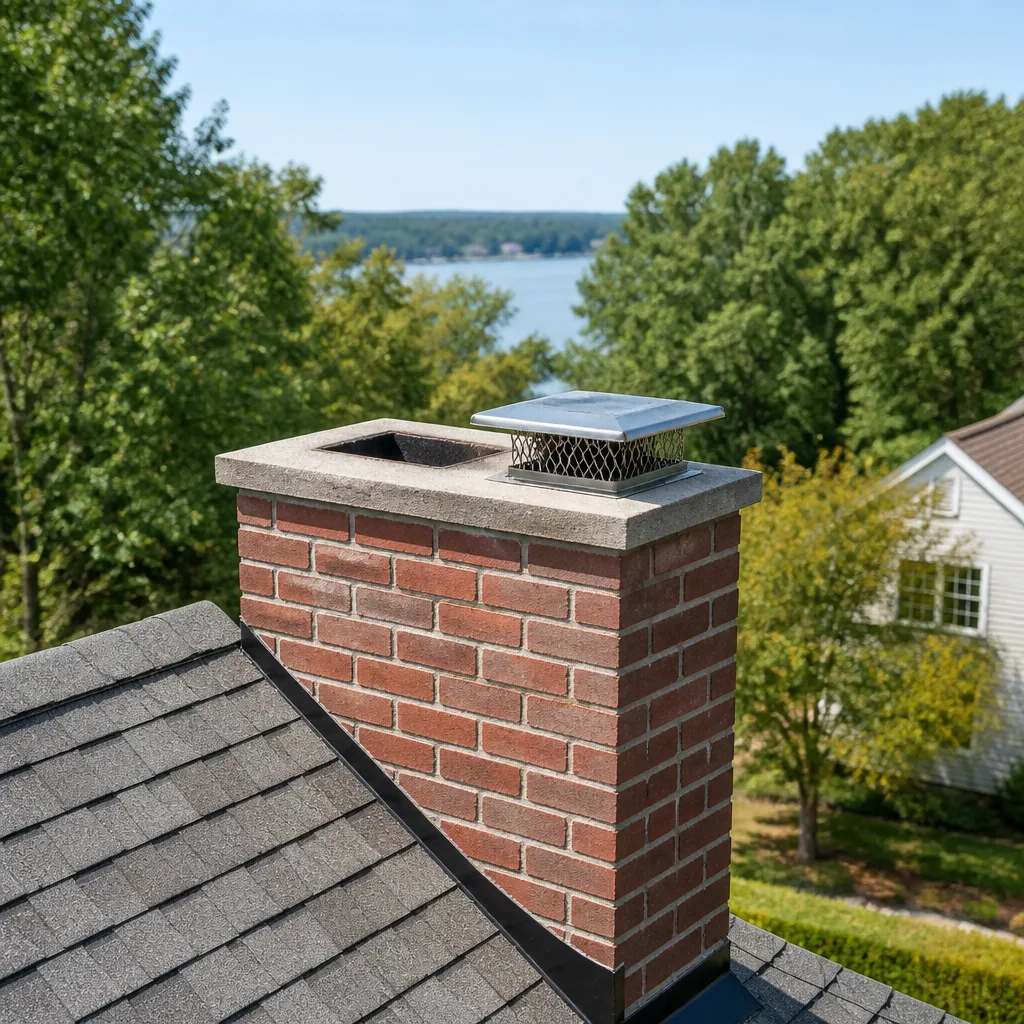 Sweep & inspection
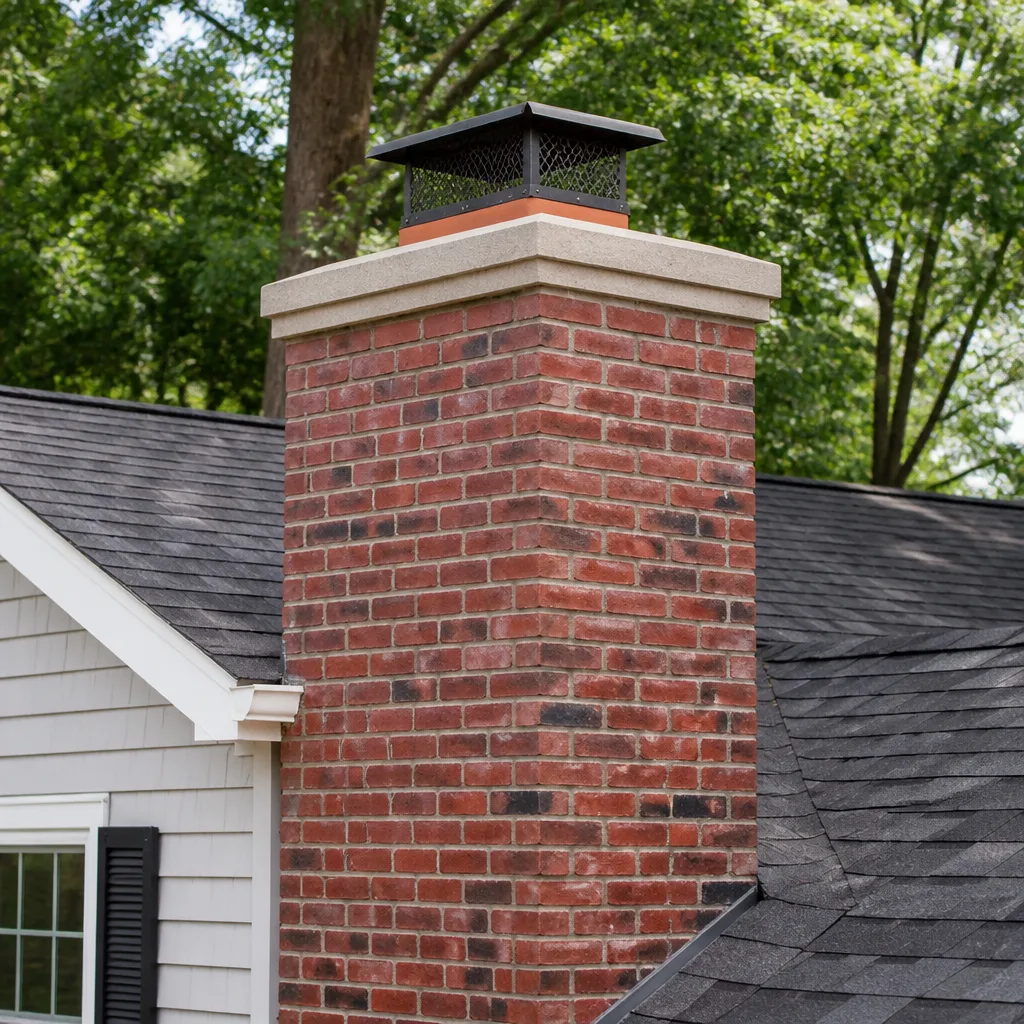 Caps & crowns
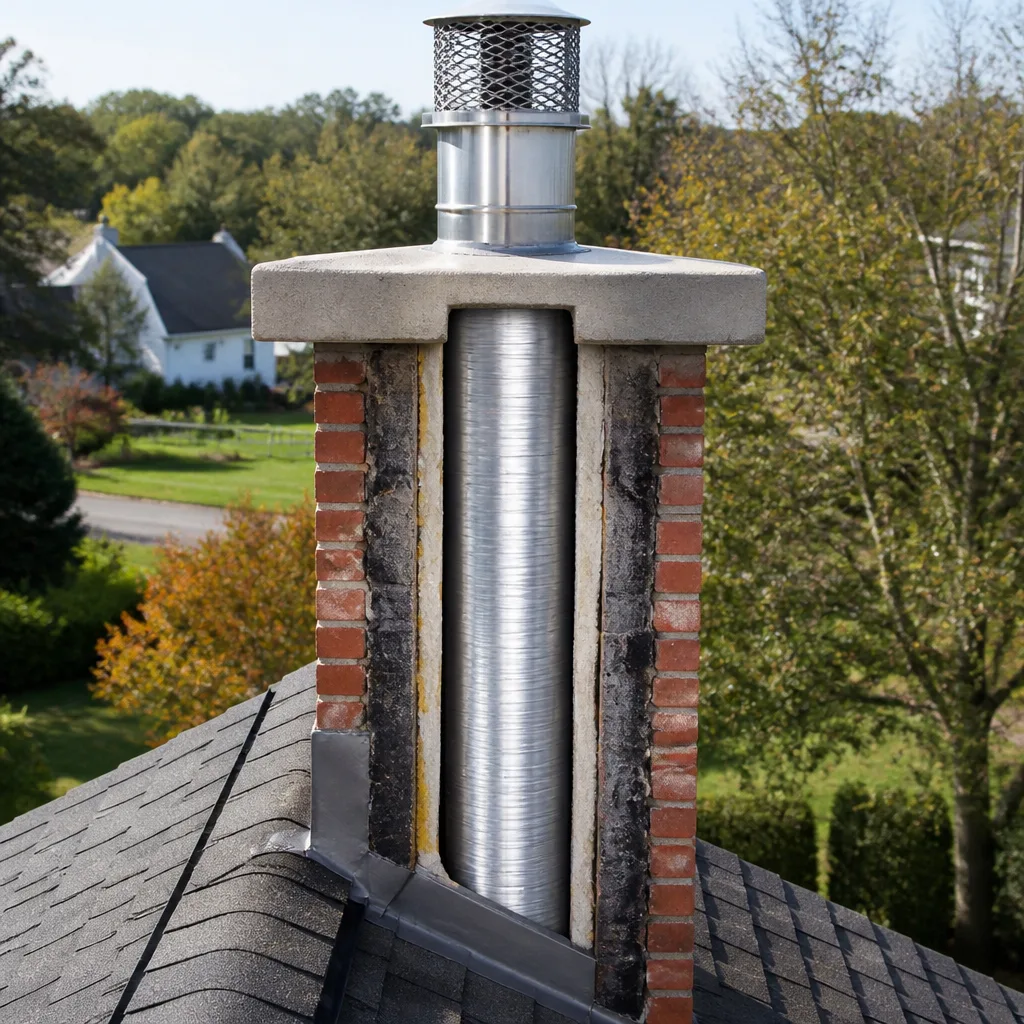 Flue relining
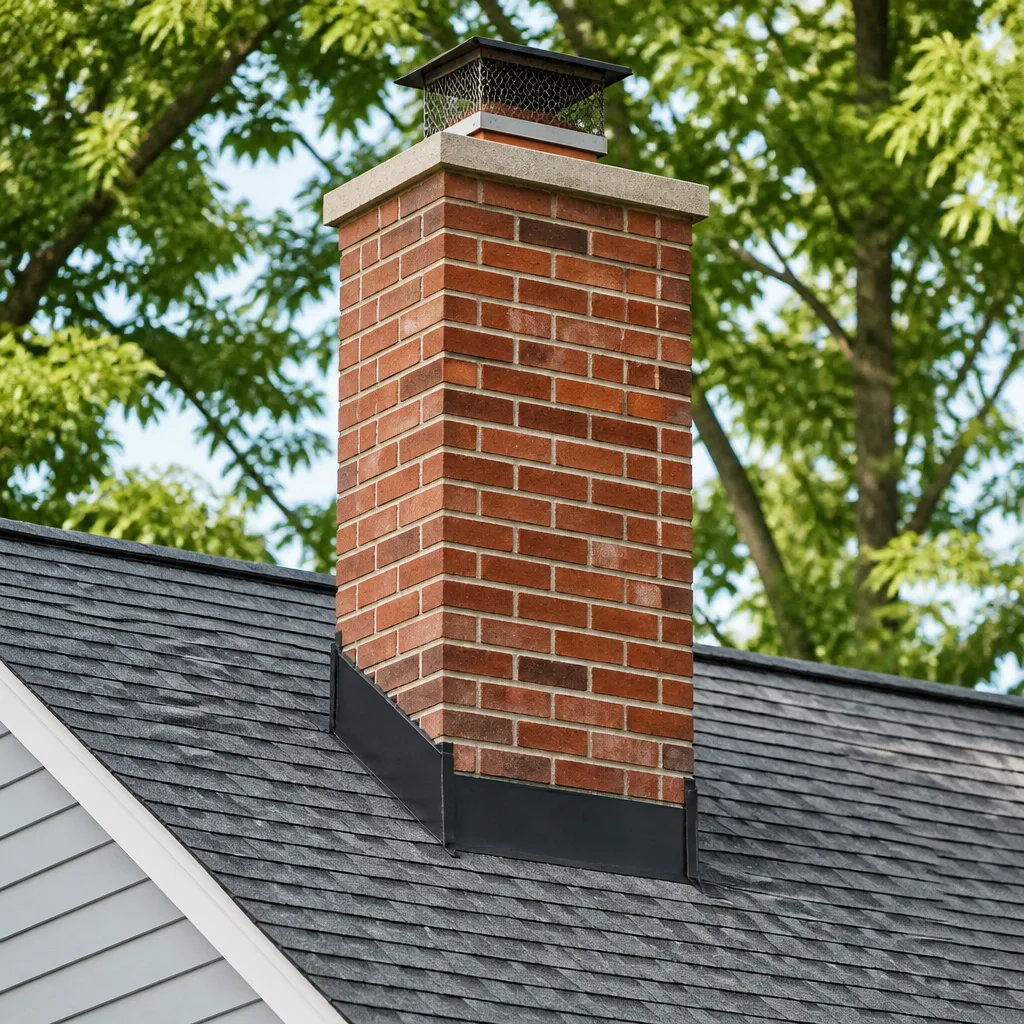 Masonry repair
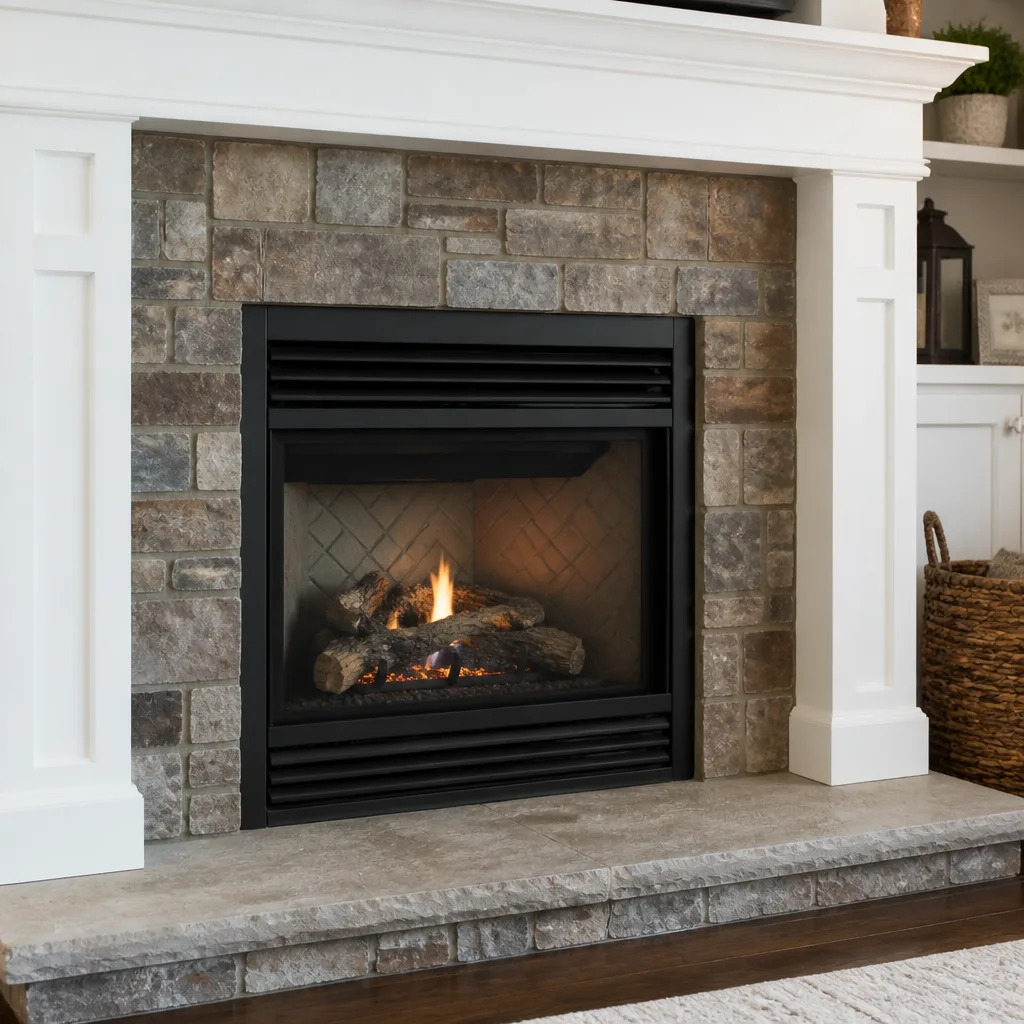 Gas fireplace service
Level 1 sweep and inspection to the NFPA 211 annual standard - flue, crown, cap, and flashing checked and photographed
Chimney sweep logs do not sweep chimneys. They loosen some creosote - which then falls where a brush and vacuum still have to collect it.
Chimney Cleaning Permits, Codes & Inspections in Myers Park, NC: What You Need to Know
Chimney sweeping is exempt from permitting in North Carolina. Liner replacement is not. That distinction costs Myers Park homeowners money and legal headaches when they sell, often years after the work was done. A sweep cleans the flue and removes creosote, and the county treats that as maintenance. A new liner, a rebuilt crown, or a resurfaced flue changes the structure of the chimney, and Mecklenburg County wants a permit and an inspection for that. Most homeowners never hear the boundary stated this plainly. This guide draws the exact line between routine maintenance and regulated work in Myers Park, explains what NC Residential Code Section M1801 actually governs, and shows you the paperwork that keeps a future home sale clean.
Quick Answer
Routine chimney cleaning in Myers Park does not require a permit, but structural work does: liner replacement, crown rebuilds, flue relining, and major masonry repair all fall under Mecklenburg County permitting and NC Residential Code Section M1801. What protects you is a documented inspection before any of it starts, plus a written record of every repair, so a future buyer’s inspector can verify the work was done to code. If you’re unsure which side of the line a job falls on, ask for the inspection first and the estimate after.
Styles & brands we work with
- Sweep & inspection
- Caps & crowns
- Flue relining
- Masonry repair
- Gas fireplace service
Table of Contents
- What NC Residential Code Section M1801 Actually Covers
- Maintenance vs. Permitted Work: Where the Line Falls in Myers Park
- Which Chimney Repairs Need a Mecklenburg County Permit?
- What a Compliant Inspection Report Looks Like
- What Insurance Adjusters and Buyers’ Inspectors Look For
- The Documentation to Keep After Any Chimney Work
- How Myers Park’s Housing Stock Changes the Rules
- Common Mistakes to Avoid
What NC Residential Code Section M1801 Actually Covers
NC Residential Code Section M1801 governs the construction and installation of chimneys and vents in residential buildings. It sets rules for clearance to combustibles, flue sizing, liner materials, wall thickness, and how a chimney is supported and capped. What it does not do is require a permit every time someone runs a brush through a flue. That’s the confusion we run into most often in Myers Park, and it’s worth separating the two ideas cleanly.
M1801 is a construction standard. It applies when a chimney is built, altered, or repaired in a way that affects its structure or its venting performance. It sets the bar a permitted job has to meet. A sweep is not a construction activity, so M1801 doesn’t trigger a permit for it. But when a contractor tells you “M1801 requires a permit for all chimney work,” they’re overstating it, and when they tell you “M1801 doesn’t apply because it’s an existing chimney,” they’re usually understating it.
Here’s what the section actually touches, in practical terms:
- Clearance to combustibles: how far the chimney and flue must sit from wood framing, insulation, and other materials that can catch fire.
- Flue liner requirements: the material, thickness, and continuous lining standard a flue must meet, which is exactly what a reline has to satisfy.
- Flue sizing: the relationship between the appliance, the flue, and the chimney’s ability to draft correctly.
- Support and termination: how the chimney is carried structurally and how it terminates above the roof, including cap requirements.
For a Myers Park homeowner, the useful takeaway is this: M1801 tells you what a chimney has to be, not what maintenance you have to perform. It matters most the moment you move from cleaning to structural repair, because that’s when the county wants the work inspected against it. If your chimney is older and you don’t know whether it meets the liner and clearance requirements, a standalone chimney inspection is the starting point, not a contract for repair.
Maintenance vs. Permitted Work: Where the Line Falls in Myers Park
The simplest way to think about it: if the work removes soot and creosote but leaves the chimney’s structure untouched, it’s maintenance. If it changes, replaces, or rebuilds a structural component of the chimney, it’s regulated work. Mecklenburg County applies that distinction when deciding what needs a permit, and it’s the same line a home inspector will look at when your house is on the market.
On the maintenance side in Myers Park:
- Routine sweeping of the firebox, smoke chamber, and flue.
- Removing creosote, soot, and animal debris.
- Inspecting the flue with a camera and documenting the findings.
- Installing or replacing a chimney cap, in most cases, since it’s a removable weather component.
- Minor firebox cleaning and refractory touch-ups that don’t alter the flue.
On the permitted side:
- Replacing a flue liner, whether stainless or cast-in-place.
- Applying a resurfacing system to cracked or deteriorated flue tiles, because it changes the flue’s interior surface.
- Rebuilding a chimney crown or the top courses of the chimney.
- Major masonry repair that affects the chimney’s structural integrity.
- Changing flue size, adding an appliance, or reworking the venting system.
We’ve seen the practical cost of this confusion in Myers Park more often than anywhere else we work, because the neighborhood has so many older chimneys being brought up to modern standards. A homeowner gets a quote for a “cleaning and flue refresh,” the contractor applies a resurfacing product without a permit, and three years later the buyer’s inspector asks for the permit record and there isn’t one. The work may be perfectly sound. The missing paper trail is the problem, and it stalls closings. Knowing which side of the line a job sits on before it starts is the whole game. If you’re simply due for maintenance, start with a chimney sweep and let the inspection findings tell you whether anything structural is even in play.
Which Chimney Repairs Need a Mecklenburg County Permit?
Most structural chimney repairs in Myers Park require a Mecklenburg County permit and an inspection before the work is closed out. The county treats a chimney as part of the building’s structural and life-safety systems, which is why a liner replacement or a crown rebuild gets the same permit review as other structural work. Routine cleaning does not.
Here’s how a permitted chimney repair typically runs, step by step, so you know what to expect:
- Inspection and scope. A camera inspection documents the condition of the flue, crown, and firebox. The findings define what’s actually wrong and what repair, if any, is needed.
- Written estimate. The scope is put in writing, with materials named. This is where you’ll see products like a DuraFlex liner for an offset flue or a HeatShield resurfacing for deteriorated tiles specified by name, not left vague.
- Permit application. For structural repair, the contractor files with Mecklenburg County. The permit number goes on the record for the property.
- Installation to code. The work is performed to M1801 standards: correct liner material, proper clearance, correct termination.
- Inspection and sign-off. The county inspects the completed work. A passed inspection generates a record that stays with the property.
Ask any contractor you hire whether the job they’re quoting requires a permit. A specialist knows the answer without checking. A generalist often doesn’t, and that’s how unpermitted liner work happens in Myers Park. If the answer is “it’s maintenance, no permit needed” for a full reline, that’s a red flag worth pressing on. Our technicians have up to 15 years of experience with this exact question, and we’re happy to walk you through where your specific job falls. When a repair is genuinely structural, chimney repair done to code, with the permit pulled and the inspection passed, is what keeps the property clean on paper.
What a Compliant Inspection Report Looks Like
A compliant chimney inspection report documents what was found, with visual evidence, in enough detail that an insurance adjuster or a buyer’s inspector could act on it without a follow-up visit. That’s the standard to hold any report against, in Myers Park and everywhere else. The difference between a compliant report and a cursory walkthrough is usually the difference between a claim that gets paid and one that gets denied.
A report worth keeping, whether it’s a routine annual inspection or one done before a repair, includes:
- Photos of every stage of the flue: firebox, smoke chamber, damper, flue interior, crown, and cap. Camera images of the flue interior matter because that’s where most deterioration hides.
- A condition statement for each component: what’s intact, what’s cracked, what’s deteriorated, what’s missing.
- Clearance notes: whether the chimney meets clearance-to-combustible requirements, since that affects whether it’s safe to use.
- A recommendation with three states: needs immediate attention, needs attention before the next burning season, or safe to monitor.
- The technician’s name and the date, plus the company that performed the inspection, so the record is traceable.
That third point matters more than it sounds. A good inspector tells you when work can wait, and a report that says “monitor and re-check next year” is a legitimate outcome, not a dodge. If every report you get concludes with a four-figure repair, that’s worth questioning. Nothing should be recommended to you that isn’t backed by a camera image you can look at yourself on the screen.
The report is also the piece an insurance adjuster will lean on after a chimney fire or a water intrusion event. A cursory walkthrough that says “chimney looked okay” with no photos is close to useless in a claim. A report with flue camera images, component notes, and clear recommendations is the difference. When we inspect a chimney in Myers Park, the report is the deliverable, before any repair is discussed. That’s why we treat chimney inspection as a standalone service: know exactly what your chimney needs before any work begins.
What Insurance Adjusters and Buyers’ Inspectors Look For
An insurance adjuster and a home buyer’s inspector are looking for the same thing from different angles: evidence that the chimney was maintained and that any work on it was done correctly and on the record. The documentation is what connects the two. In Myers Park, where so many homes change hands and so many chimneys are original to the house, that documentation is often the deciding factor in a claim or a closing.
Here’s what each side tends to focus on:
- Adjusters look for the cause of an event and whether it was preventable through maintenance. A documented sweep history and inspection report show the chimney was maintained. A gap of years with no record is what adjusters question.
- Buyers’ inspectors look for unpermitted structural work and for signs of deferred maintenance. A liner replacement with no permit record is a flag. A crown that’s visibly failing with no repair history is another.
- Both look for creosote buildup, cracked flue tiles, a missing or damaged cap, and a crown that isn’t shedding water. Those are the visible failure points.
What this means for you is straightforward. If a repair was done, keep the permit number and the inspection sign-off. If a sweep was done, keep the report. If a cap and crown were installed, keep the record of the materials used, so a future owner or adjuster can verify what’s on the roof. That last one is where brand specificity earns its keep: a record that names a Copperfield cap and a properly built crown tells a buyer’s inspector exactly what was installed and to what standard. When we install a chimney cap & crown, the documentation reflects the materials by name, not a generic “new cap installed.”
The pattern we’ve seen in Myers Park is that the homes with clean records sail through both processes, and the homes with missing records cause delays that cost far more in time than the original work did. The paperwork is the point.
The Documentation to Keep After Any Chimney Work
The documentation you should keep after any chimney work beyond routine cleaning is the written estimate, the permit number if a permit was pulled, the inspection sign-off, and a record of the materials used by brand and product. Keep them together, digitally and in paper if you can, in the same file as your other home records. That file is what you hand to a buyer’s inspector or an adjuster, and it’s what a future owner will thank you for.
Here’s a simple checklist to run through after any job:
- Written estimate. Keep the original scope document, even if the final bill changed. It shows what was planned and why.
- Permit number and final inspection. If the work was structural, the county’s sign-off is the single most valuable piece of paper you’ll have.
- Inspection report with photos. Before-and-after camera images of the flue, plus the crown and cap if they were touched.
- Material record. The brand and product name for any liner, resurfacing, cap, or crown material installed. Products like a DuraFlex liner, HeatShield resurfacing, or an Olympia Chimney component should be recorded by name.
- Date of completion and the company that performed the work. Traceability matters if a question comes up years later.
Routine cleaning is the one job where a lighter record is fine, but even then, keep the inspection report and the sweep date. A record of regular sweeps is itself part of the maintenance history a buyer’s inspector will ask about. What you’re building over time is a maintenance log for the chimney, and it’s worth more at resale than most homeowners realize.
One practical note for Myers Park: many of these homes have had multiple owners and multiple contractors over the years, and records get lost in each handoff. If you’re inheriting a house and don’t know the chimney’s history, the first step is a fresh inspection that establishes a baseline and starts the record from here. From that point on, keep it current.
How Myers Park’s Housing Stock Changes the Rules
Myers Park’s older homes change how the permit question plays out in practice, because chimneys built decades ago often don’t meet current liner, clearance, or cap standards, and the work to bring them into compliance is exactly what triggers a permit. That’s not a problem with the house. It’s the normal course of bringing an older chimney up to code, and it’s what most structural work in Myers Park involves.
What we see in the neighborhood is a mix of original masonry chimneys, some with offset flues that make a straight-shot liner impossible, and crowns that have weathered their share of wet winters and dry summers. An offset flue is why flexible stainless matters: a DuraFlex liner can follow the offset, where a rigid liner can’t. A deteriorated flue tile is why a resurfacing option like HeatShield is worth asking about, because it can restore the flue’s interior surface without a full demolition, which is a less invasive answer than tearing the chimney open.
The local climate drives this too. Myers Park’s wet winters and humid summers work on masonry and on the crown in particular. A crown that isn’t shedding water lets moisture into the chimney structure, and over time that shows up as spalling brick and a flue that needs work. The proactive answer is a properly built crown and a good cap; the reactive answer is a structural repair that needs a permit. Getting ahead of the water is cheaper and cleaner on paper.
None of this means every older chimney in Myers Park needs a rebuild. Many just need a sweep, a cap, and a clear inspection report saying so. The point is that when a repair is genuinely needed, it’s more likely to be structural work on an older house than on a newer one, and that’s where the permit line matters most. If you want a straight answer on your own chimney, the place to start is the inspection, and from there a clear scope.
Common Mistakes to Avoid
- Assuming all chimney work needs a permit. Routine sweeping doesn’t, and paying for a permit you don’t need is money wasted. The permit question only matters when the work is structural.
- Assuming no chimney work needs a permit. Liner replacement, crown rebuilds, and flue resurfacing all fall under Mecklenburg County permitting. Skipping the permit is the mistake that shows up at resale.
- Accepting a verbal “it’s all maintenance” without a written scope. If a contractor won’t put the scope in writing with the materials named, you can’t tell maintenance from structural work after the fact. Ask for it in writing every time.
- Discarding the inspection report or permit record. These are the documents a buyer’s inspector or an adjuster will ask for. Keep them with your home records, not in a drawer that gets cleared out.
- Hiring a generalist for structural repair. A general contractor moonlighting in chimney work often doesn’t know the M1801 requirements or the permit boundary, and the missing permit is your problem, not theirs.
- Replacing a whole chimney when a resurfacing would do. A HeatShield application can restore a deteriorated flue interior without demolition, which is a less invasive and less expensive route than a rebuild, when the flue is a good candidate.
- Ignoring a failing crown because the firebox still works. A crown that isn’t shedding water is quietly letting moisture into the structure. It’s a repair worth doing before it becomes a structural one that needs a permit.
See the difference
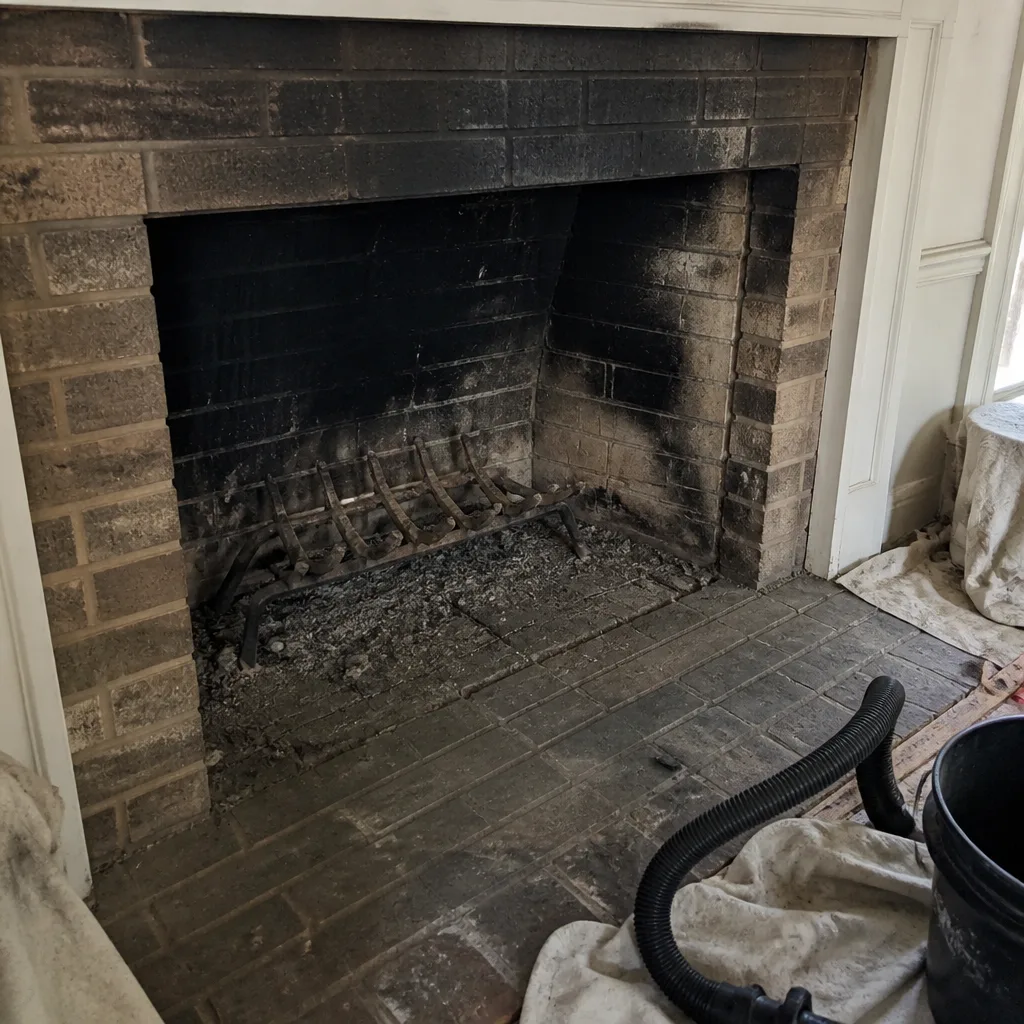 Before
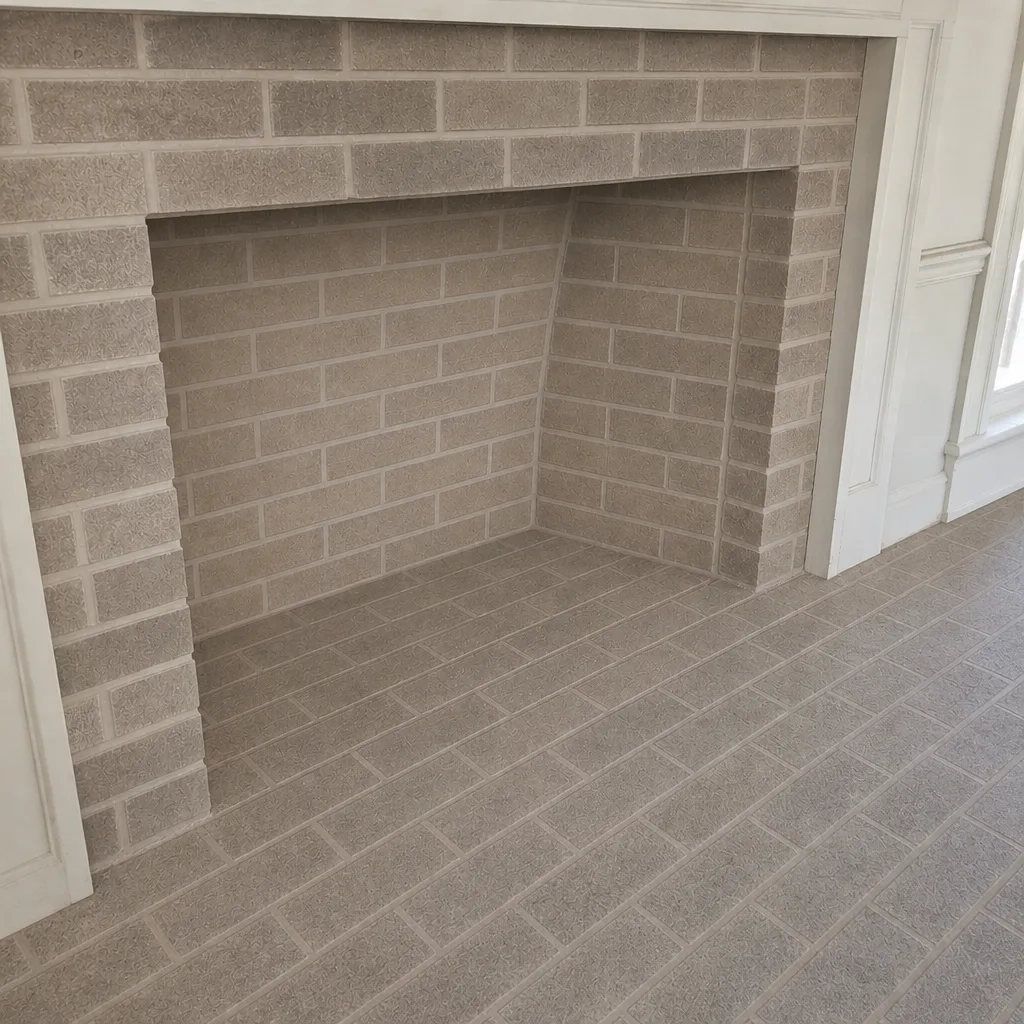 After
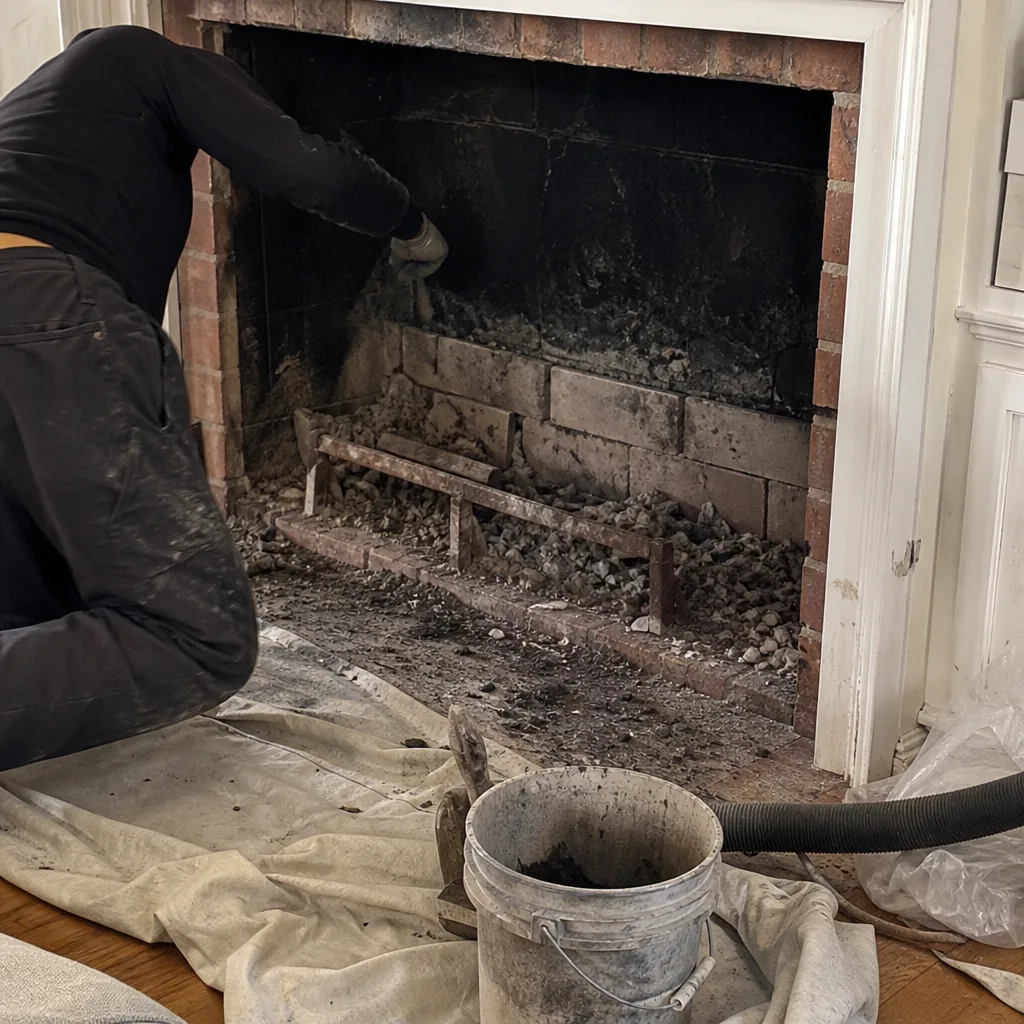 Before
 After
 Before
 After
When to Call a Professional
Call a chimney professional when you don’t know the condition of your flue, when the chimney hasn’t been inspected in recent memory, or when someone has told you work is needed and you have no way to verify it. Call when you’re selling a Myers Park home and need the record in order, when an insurance adjuster has asked for documentation, or when a crown, cap, or liner issue has come up and you’re not sure whether it crosses into permitted work. Call when you smell smoke in the house, when the firebox draws poorly, or when creosote has built up enough that you’re not sure a sweep is enough. Our technicians have up to 15 years of experience and a scope limited to chimney and fireplace systems. Nothing is recommended that isn’t backed by a camera image you can see. Chimney Sweep Myers Park offers free estimates in Myers Park. Call (833) 902-6314. We answer 24/7. Fast dispatch from 7am to 7pm, Sunday through Friday.
Frequently Asked Questions
No. Chimney sweeping in Myers Park is classified as maintenance and does not require a Mecklenburg County permit. A permit only comes into play when the work changes or replaces a structural component of the chimney, such as a liner or a crown. If a contractor tells you a routine sweep needs a permit, ask them to explain exactly which structural work they’re proposing. Call (833) 902-6314 for a free estimate on a sweep or inspection.
Liner replacement, flue resurfacing, crown rebuilds, and major masonry repair all require a Mecklenburg County permit and inspection. Routine sweeping, cap replacement, and minor firebox cleaning generally do not. The dividing line is whether the work changes the chimney’s structure or its flue. When you get an estimate, the scope should tell you plainly which side of that line your job sits on. Call (833) 902-6314 and we’ll walk you through it.
M1801 governs the construction and installation of chimneys and vents in residential buildings: clearance to combustibles, flue liner requirements, flue sizing, support, and termination. It sets the standard a permitted job has to meet. It does not, on its own, require a permit for cleaning. Knowing what it covers keeps you from overpaying for permits you don’t need and from skipping the ones you do. Call (833) 902-6314 for a free estimate that spells out the scope.
A compliant inspection report should include camera photos of the flue interior, condition notes for each component (firebox, smoke chamber, damper, flue, crown, cap), clearance observations, and a recommendation that distinguishes work needed now from work that can wait. It should name the inspecting company and the date. If a report has no flue photos, it won’t help an insurance claim or a home sale. Call (833) 902-6314 for an inspection you can act on.
The work may be perfectly sound, but the missing permit record becomes a problem at resale or at claim time. A buyer’s inspector will flag unpermitted structural work on a chimney, and a closing can be delayed while it’s resolved. If you suspect a past repair was done without a permit, an inspection can establish the current condition and a repair that’s properly permitted can put the record back in order. Call (833) 902-6314 for a free estimate.
Most chimneys should be inspected once a year and swept when creosote buildup warrants it, along with any time the chimney hasn’t been used in a long stretch or a repair has been made. Myers Park’s wet winters and humid summers are hard on masonry and crowns, so an annual inspection catches moisture problems early, before they turn into structural work. Call (833) 902-6314 to book an inspection and get a clear report.
The Bottom Line
The permit line in Myers Park is simpler than it’s often made to sound: cleaning doesn’t need one, structural work does. Keep the two straight and you avoid the two mistakes that cost the most, skipping a permit on a liner replacement or crown rebuild, and paying for one on a routine sweep. Hold any contractor to a written scope with materials named, insist on a camera inspection before anything is recommended, and keep the estimate, the permit number, the inspection sign-off, and the material record together. That file is what protects you at resale and at claim time. From the firebox to the cap, one specialist can handle every stage, so you’re never coordinating multiple vendors or guessing which side of the line a repair falls on.
Ready to know exactly what your chimney needs? Call Chimney Sweep Myers Park at (833) 902-6314 for a free estimate. We answer 24/7. Fast dispatch from 7am to 7pm, Sunday through Friday. Estimates are free, and the written estimate sets the final price.
Written by the team at Chimney Sweep Myers Park.