
Last updated November 22, 2026
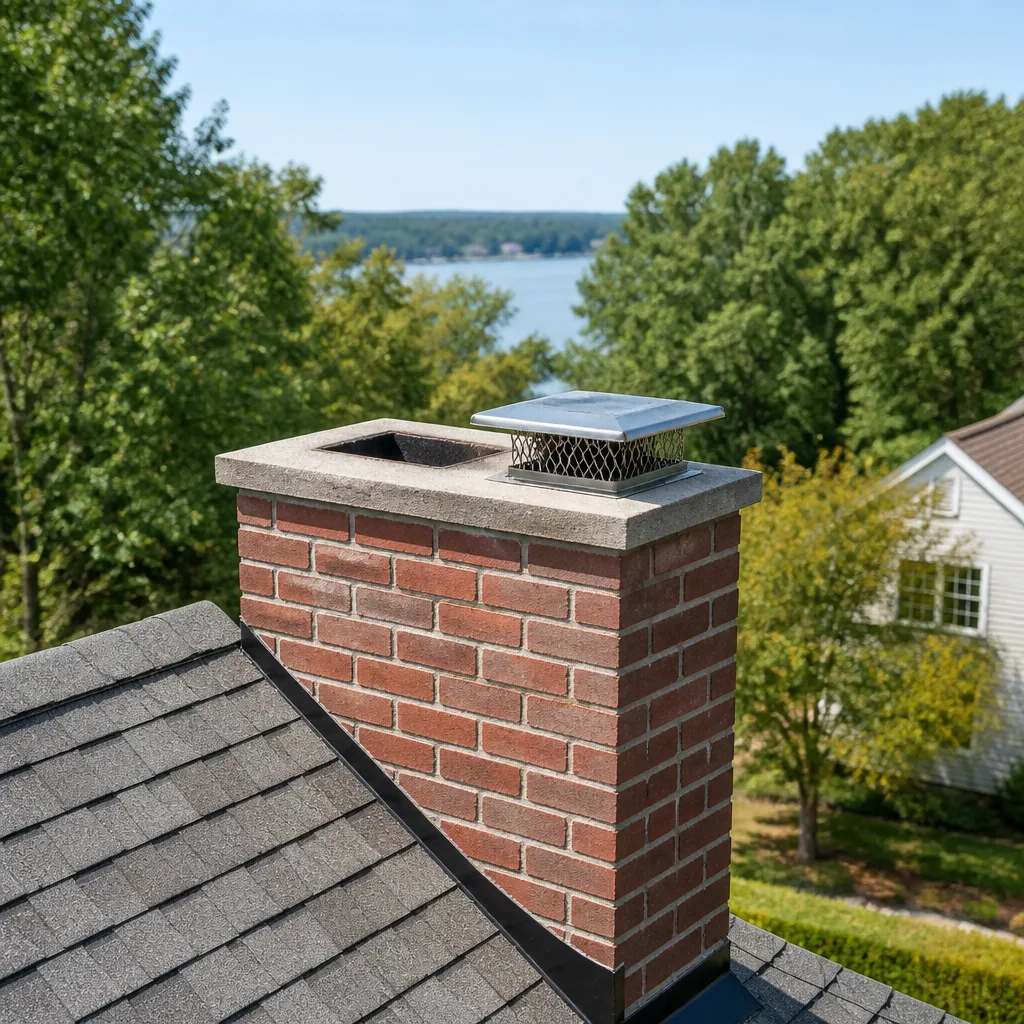 Sweep & inspection
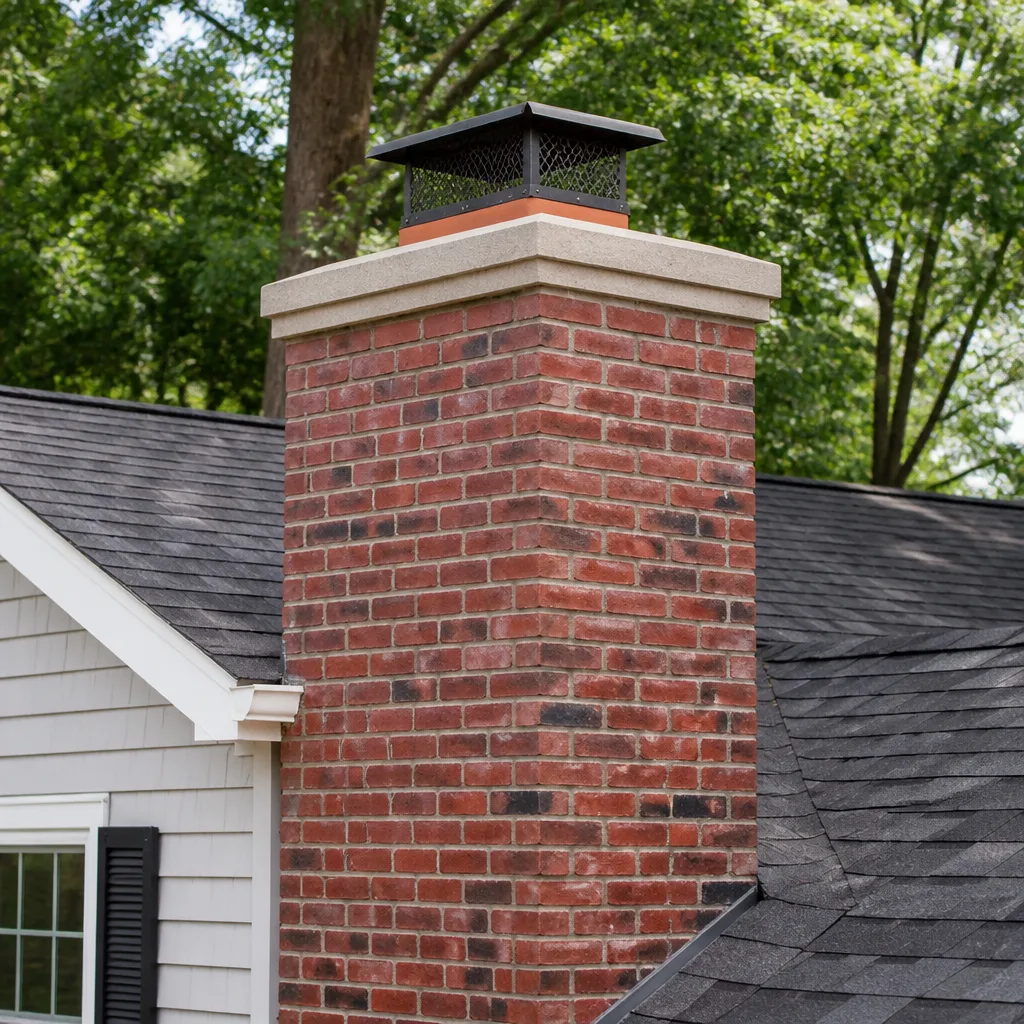 Caps & crowns
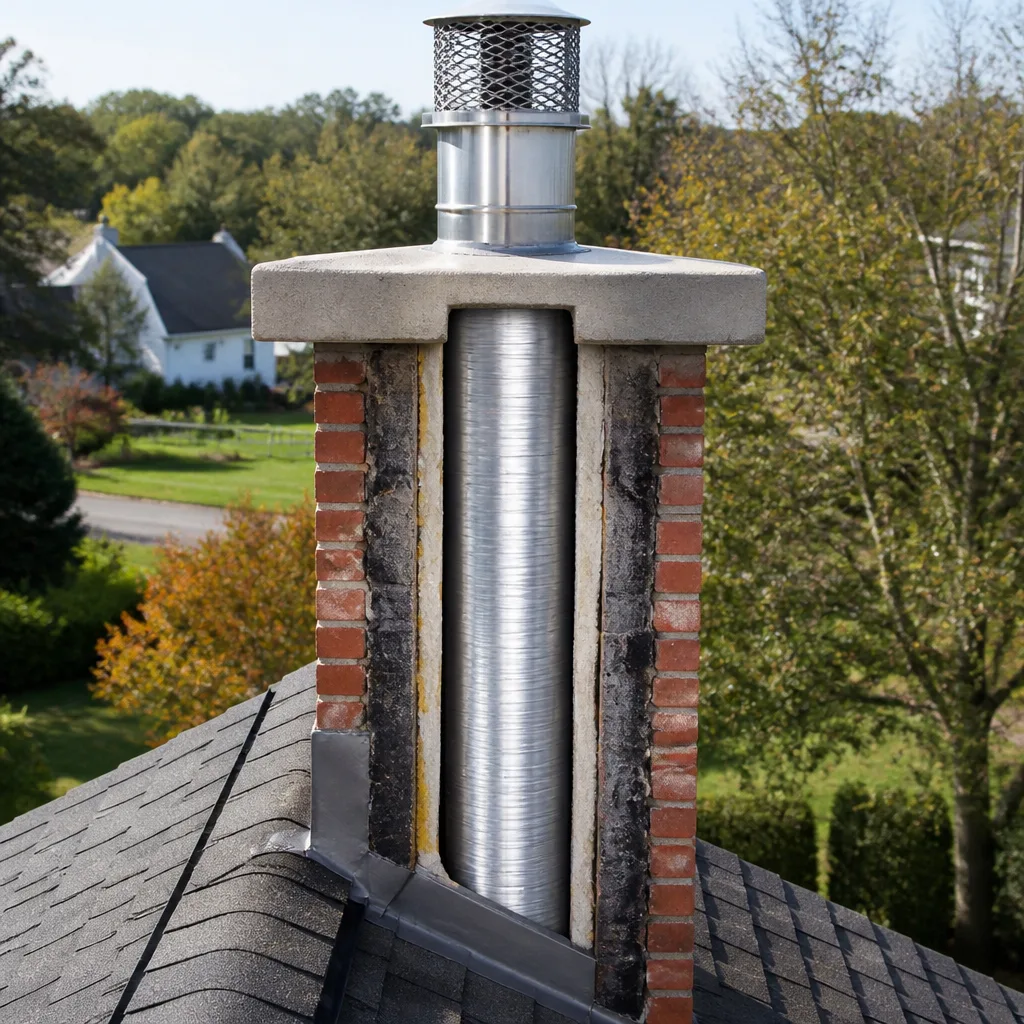 Flue relining
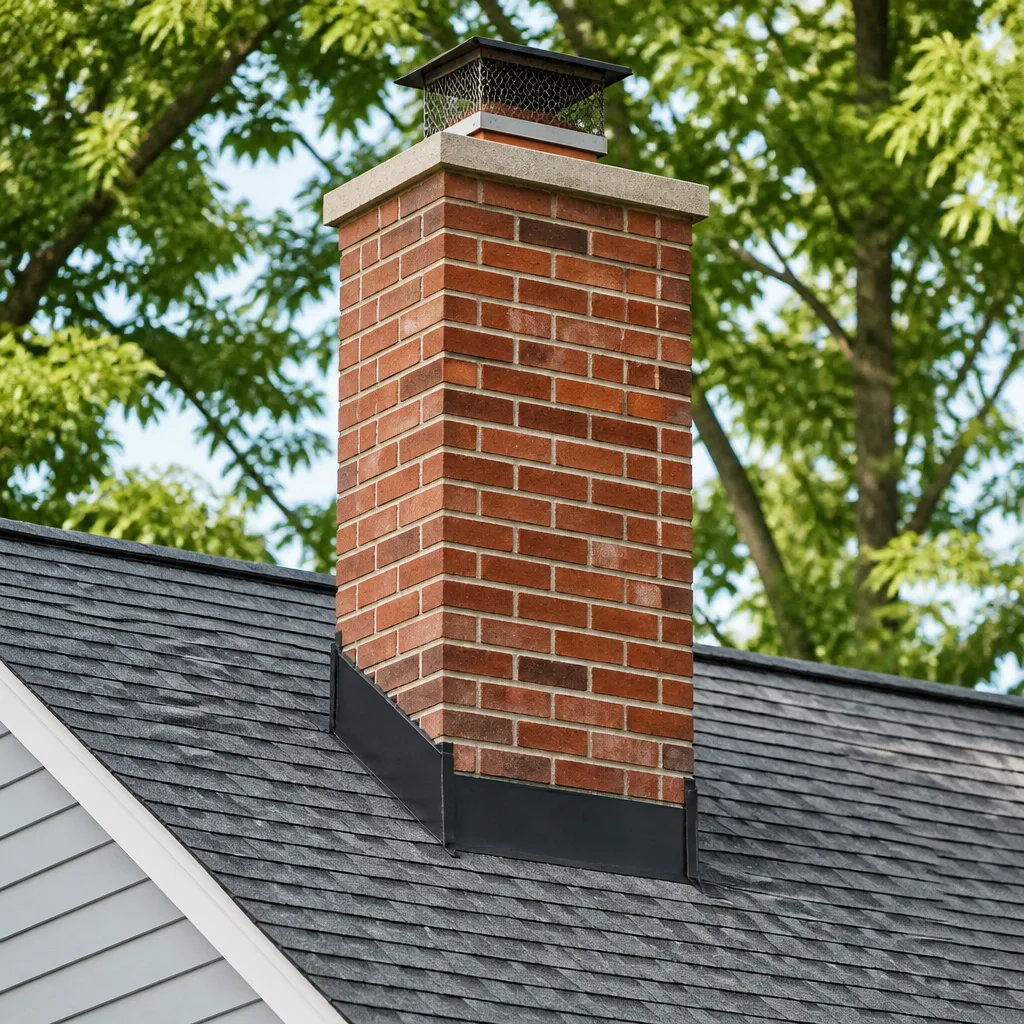 Masonry repair
 Gas fireplace service
Level 1 sweep and inspection to the NFPA 211 annual standard - flue, crown, cap, and flashing checked and photographed
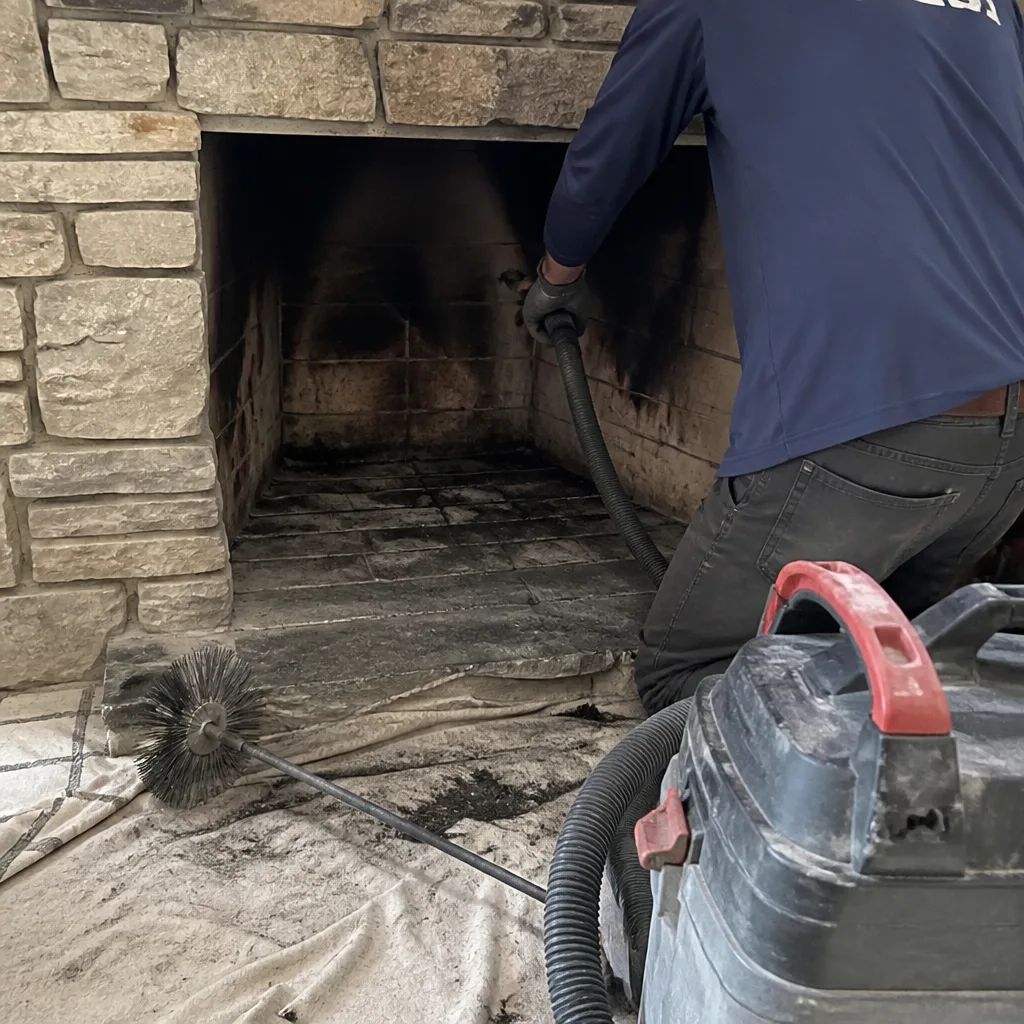
Chimney sweep logs do not sweep chimneys. They loosen some creosote - which then falls where a brush and vacuum still have to collect it.
Chimney Sweep Maintenance Checklist for Myers Park Homeowners
The most common chimney maintenance mistake isn’t skipping the sweep. It’s finishing the sweep and walking away from the crown, flashing, and cap without a second look. Those three components decide whether the cleaning you just paid for holds up through the next burning season, or whether water and debris undo it before winter. In Myers Park, where mature oaks and willows lean over most rooflines, that sequence gets compressed. Debris collects faster, moisture sits longer, and small failures become expensive ones sooner than a homeowner expects. What follows is a checklist built around how a chimney actually ages, not a calendar. You’ll learn which items you can inspect yourself, which belong to a technician, the order in which parts tend to fail, and how to track your chimney’s condition year over year so any repair conversation starts from evidence rather than guesswork.
Quick Answer
A practical chimney maintenance checklist for Myers Park homeowners covers four owner-observable items (cap condition, visible mortar joints, damper operation, and firebox floor) plus four technician-only items (flue interior, smoke chamber, crown seal, and flashing). The checklist should be run at the end of each burning season, not the start, so that any damage is caught before summer storms and fall debris have a chance to make it worse.
Styles & brands we work with
- Sweep & inspection
- Caps & crowns
- Flue relining
- Masonry repair
- Gas fireplace service
Table of Contents
- Owner-Observable vs. Technician-Only: What You Can Actually Check
- The Sequence Components Fail In: Crown, Then Flashing, Then Liner
- Firebox Floor and Smoke Chamber: Two Spots Most Homeowners Never Look At
- Why the Checklist Runs at the End of the Season, Not the Start
- Myers Park’s Tree Canopy and What It Means for Debris
- Documenting Chimney Condition Year Over Year
- How Often a Myers Park Chimney Actually Needs Sweeping
- When to Bring In a Professional vs. What Can Wait
Owner-Observable vs. Technician-Only: What You Can Actually Check
The single most useful distinction in a maintenance checklist is between the items a homeowner can look at without tools or a roof climb, and the items that require a trained eye and equipment. Blur the two and you get lists that either overreach or say nothing useful. Here’s the split we use when talking with Myers Park homeowners.
Owner-observable items are the ones you can check from inside the house or from the ground with binoculars:
- Chimney cap condition. Is the cap still attached, undented, and free of rust-through or cracks? Is the mesh screen intact, or has a squirrel or starling pulled it loose? A missing or damaged cap means water, leaves, and animals reach the flue.
- Visible mortar joints on the exterior stack. Look for crumbling mortar, joint separation between bricks, or dark staining near the crown. These indicate moisture intrusion is already happening.
- Damper operation. Open and close it by hand. It should move without force and sit flush when closed. A sticking or warped damper wastes heat and is often the first sign of rust from water.
- Firebox floor. Look for cracked firebrick, missing mortar between the firebricks, or a soft spot that feels wrong. Covered below in more detail.
- Interior signs of water. Water stains on the smoke chamber face, rust on the damper frame, or a musty smell in humid weather.
Technician-only items require a camera, a ladder, or both:
- Flue interior walls (glaze stage of creosote, cracked or displaced tiles, gaps between sections).
- Smoke chamber geometry and mortar condition, which cannot be seen from the firebox.
- The crown surface and its bond to the flue tile at the top.
- Flashing detail where the chimney meets the roof, including counter-flashing and step flashing.
- The top of the flue above the crown, where spalling often starts.
None of this is designed to make you guess. It’s designed to make you a better client. When you know which items need a camera and which don’t, the technician’s report reads as a mapped list instead of a sales pitch. Every inspection we perform starts with the camera because we don’t recommend a repair without documented evidence you can see for yourself.
The Sequence Components Fail In: Crown, Then Flashing, Then Liner
Chimneys don’t fail all at once. They fail in a predictable order, and understanding that order is what makes a checklist more than a chore list. When maintenance is deferred, the failure runs crown, then flashing, then liner. Each step makes the next one more likely.
- The crown goes first. The crown is the concrete or mortar cap on top of the chimney, sloped to shed water away from the flue. Most crowns crack within a few seasons of the house being built, either from settling, thermal cycling, or an original crown that was never sloped properly. A hairline crack is enough to let water into the masonry below.
- Flashing is next. Once water is entering the brickwork, the flashing detail at the roof line begins to take the load it was never designed for. Mortar softens. Step flashing pulls away. Water finds the interior of the chimney chase and starts to show as stains on the smoke chamber or ceiling of the room below.
- The liner is last, and most expensive. By the time the liner is affected, the water has had years to do damage. Cracked flue tiles, displaced sections, and missing mortar joints between tiles are the result. This is where a relining decision is made and where a homeowner needs real evidence, not an estimate written from the driveway.
The lesson for a Myers Park homeowner: fix the crown when it’s a crack, not when it’s a rebuild. A crown repair caught early is a modest job. A crown that’s been left for years is often the entry point into a liner conversation. This is why cap and crown work sits as a named service for us, not a footnote to the sweep. The chimney cap & crown work we do is weatherproofing first and cosmetic second, because the sequence above runs in that order.
If your chimney has already been flagged by an inspector or an insurance adjuster, the sequence is your friend, not your enemy. You can ask specifically where on that sequence the repair falls, and whether the evidence supports the step being recommended. Anything short of a camera review is a guess.
Firebox Floor and Smoke Chamber: Two Spots Most Homeowners Never Look At
Ask a homeowner to describe their fireplace and they’ll describe the opening. Almost no one describes the firebox floor or the smoke chamber. Those two spots are where the failures that actually cost money tend to start, and they’re exactly the spots a maintenance checklist has to include.
The firebox floor
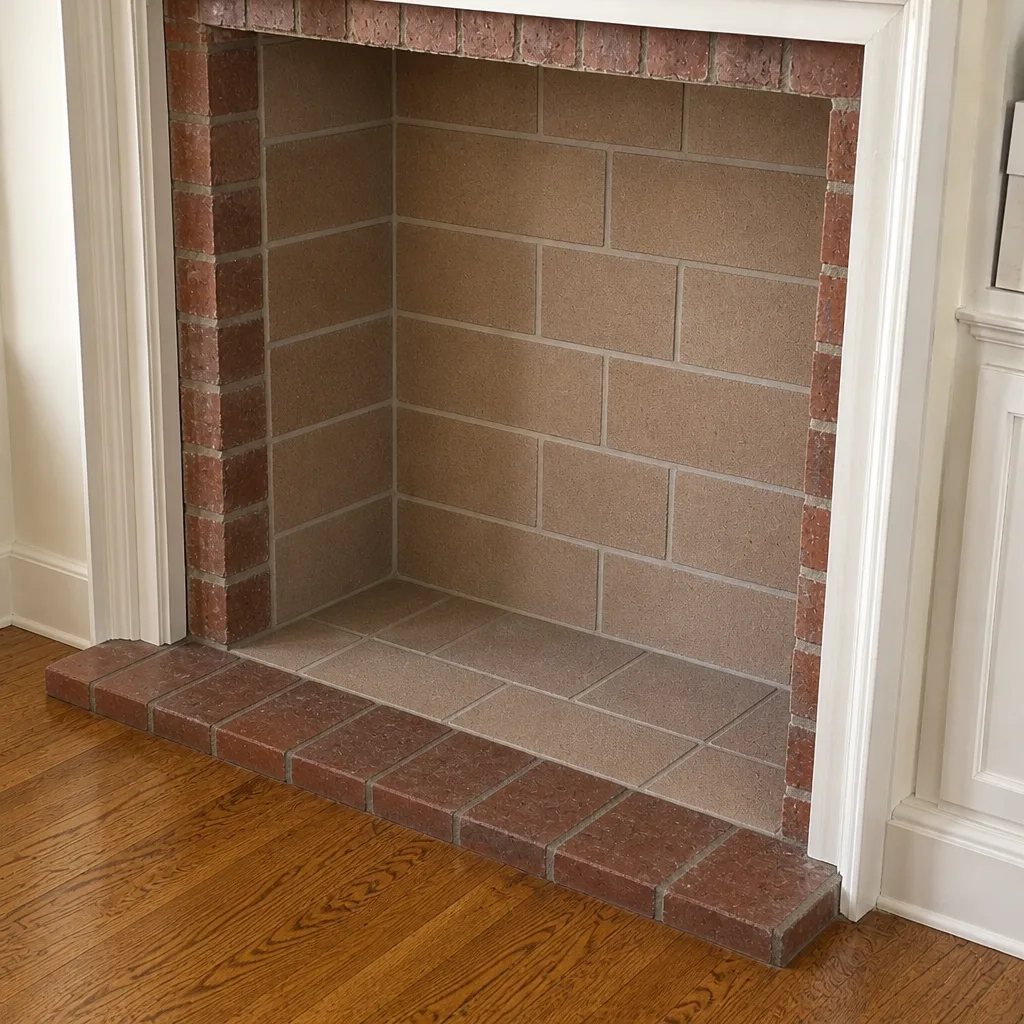
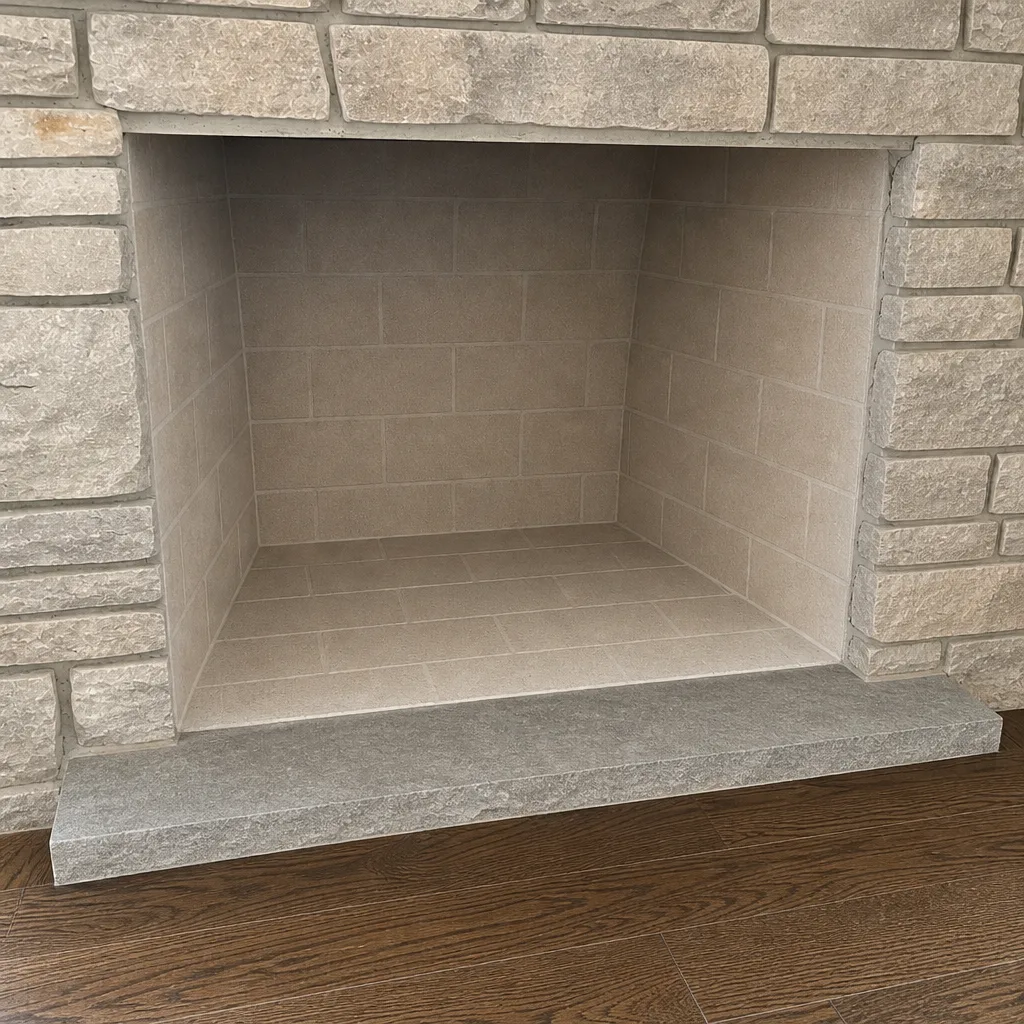
The firebox floor is the flat surface the fire sits on, usually made of firebrick bedded in a refractory mortar. It takes direct heat, direct ash, and any water that reaches the chimney from above. What to check:
- Hairline cracks in the firebrick itself. Small surface cracks are normal. Cracks wide enough to admit a coin are not, because heat reaches the steel or masonry behind the brick.
- Missing or soft mortar between firebricks. If you can pick mortar out with a screwdriver tip without force, it has failed.
- Ash pan drop. If the firebox has an ash dump, the door must seat flat. A stuck-open ash door is a direct route for embers into a cavity that was never meant to see them.
- Uneven wear in the center of the floor, which tells you the fireplace has been used heavily and the floor has thinned.
Firebox floor condition matters because a compromised floor is a fire hazard, not a cosmetic issue. If you see anything beyond a hairline crack, that is a stop-using-it-and-get-it-looked-at signal, not a fix-it-yourself project. Refractory work is technical and the wrong mortar is worse than no repair.
The smoke chamber
The smoke chamber is the tapered vault between the firebox and the flue. You cannot see it from the firebox, which is exactly the point. What a technician checks with a camera:
- The mortar joints between the corbelled bricks, which erode from creosote and moisture.
- The transition from the smoke chamber throat into the flue tile, where turbulence causes the heaviest creosote deposit.
- Any missing parging on the chamber walls. Smooth chamber walls draft better and collect less creosote; rough ones do the opposite.
This is where HeatShield resurfacing earns its keep. HeatShield is a proprietary system that resurfaces a deteriorating flue or smoke chamber without demolition, sealing the joints and smoothing the surface. Not every chimney service offers it, and that matters for Myers Park homes where a full rebuild is often avoidable. If a technician recommends liner work without showing you the smoke chamber on the camera, ask why.
Why the Checklist Runs at the End of the Season, Not the Start
Most homeowners run a chimney checklist in the fall, right before the first fire. That’s the wrong end of the season. The checklist should run in late spring or early summer, after the burning season ends and before the storm season peaks, and here’s why.
- The damage is fresh and findable. A winter of use leaves exactly the wear you’re looking for: creosote buildup, firebox floor wear, damper strain. Inspect in spring and you see what the season actually did.
- Summer is when water does its work. A crown crack that opens in June has all of July and August to soak the masonry before fall. Caught in spring, it’s a small repair. Caught in October, it’s often a bigger one.
- Debris accumulates through the summer. In Myers Park the willow oaks drop fine debris steadily through late spring and early summer, and the poplars and maples add more in early fall. A cap screen that was clean in April may be partially blocked by August. Checking after the summer gives you an honest read on whether the cap is doing its job.
- Scheduling is easier. The trade is quieter outside of September and October. A homeowner who books a spring inspection or sweep gets a wider window than one who calls the week before the first frost.
- Repair seasons cleanly. Any repair that needs to happen can be done before the next burning season, which is what you want. Nobody wants to be making structural decisions in the middle of winter.
The practical version: put a note in your calendar for late April or early May. That’s when the checklist gets run. If you’ve been meaning to schedule a chimney sweep and inspection, that same window is the calmest one you’ll find.
Myers Park’s Tree Canopy and What It Means for Debris
Myers Park has one of the oldest and thickest residential tree canopies in Charlotte. Willow oaks, pin oaks, and elms dominate the streets off Queens Road and along the older blocks near Freedom Park, and many of them stand taller than the rooflines they shade. That canopy is beautiful, and it is also the single biggest driver of how often a Myers Park chimney needs attention compared to a chimney on a newer, more open lot.
What the canopy does to a chimney:
- Cap screen clogging. Fine twigs, seed pods, and small leaves sift into cap screens through the summer. A partially clogged cap screen still looks fine from the ground, which is why the cap check requires either a binocular look or a technician on the roof.
- Debris in the flue. Anything that gets past the screen and drops into the flue lands on the smoke shelf, where it stays until the next sweep. Wet leaves on the smoke shelf decompose, smell, and hold moisture against the chamber walls.
- Shade and moisture retention. A chimney in constant shade dries more slowly after rain. That’s the difference between a crown that fails in five years and one that fails in ten. Same repair, twice as often.
- Animal traffic. Dense canopy brings squirrels and birds into closer contact with rooflines. A loose or damaged cap becomes a nest in a single season.
For Myers Park specifically, the practical translation is that the annual checklist shouldn’t skip the cap, and the sweep interval should be shorter than a homeowner on a cleared lot might expect. A chimney used for a few fires a week through the winter in this neighborhood should be swept once a year. The cap should be looked at every spring and after any significant summer storm.
One other note specific to the neighborhood: many of the homes here were built between the 1920s and the 1950s, and their fireplaces and flues were built to the standards of that era. Original tile flues in that generation of Myers Park homes often have offset sections that a rigid liner can’t navigate. That’s the case for a DuraFlex liner, which is a flexible stainless liner designed to work around offsets and turns rather than requiring the flue to be rebuilt straight. It’s the kind of detail a chimney-only specialist notices on the camera and a generalist won’t.
Documenting Chimney Condition Year Over Year
Fifteen minutes of documentation each spring saves hours of argument later. The purpose is simple: any future repair conversation should be anchored to a record of what the chimney looked like last year, not a contractor’s memory of what it typically looks like. Here’s the documentation routine we recommend.
- Keep the inspection report. Whether the inspection is quick or full, keep the written report and the camera photos. Every camera-assisted inspection we perform includes a photo record you can save in a folder for your house.
- Take your own photos each spring. From the same place each time. The top of the chimney from the ground with zoom, the firebox floor, the damper, the exterior brick on the side of the chimney that faces the most weather.
- Note the date and the season. A short written log with dates is more useful than a folder of photos alone.
- Note any repairs already made. If a crown was sealed, a cap was replaced, or a damper was adjusted, write it down. New technicians need to know what’s already been addressed.
- Keep the receipts. If nothing else, the receipts tell you what was done and when, which matters for any insurance question and for your own peace of mind.
- Compare year over year. When this year’s photos sit next to last year’s, a crown crack that’s been growing announces itself. A liner recommendation that doesn’t have a visible precursor in the photo record is a fair question to ask.
The whole routine takes a homeowner maybe fifteen minutes a year, and it’s the difference between “I think the chimney looks fine” and “here’s the crown three years ago, here’s the crown last spring, here’s the crack that’s grown across it.” Any honest repair conversation can be had with that folder on the table. If a technician is uncomfortable with it, that’s information too.
This is also where the specialist versus generalist distinction matters most in practice. When a chimney has a documented history, the work of fireplace repair gets pointed at the actual failure rather than a plausible one. You get a targeted repair instead of a scope of work.
How Often a Myers Park Chimney Actually Needs Sweeping
Once a year is the standard answer for a wood-burning fireplace in active use, and it’s the right answer for most Myers Park homes. The measurements behind that number are worth understanding, because they explain when the standard answer needs adjusting.
- Usage. A fireplace used several times a week through the burning season is a fireplace that accumulates enough creosote to justify an annual sweep. A fireplace used a handful of times all winter can stretch, but “I only used it twice” is worth verifying rather than assuming.
- Fuel. Seasoned hardwood produces less creosote than unseasoned wood, softwood, or the occasional “free wood” pile that shows up in spring. If you’re burning anything other than dry, seasoned hardwood, expect to sweep more often.
- Draft. A chimney with a weak draft smolders more, and smoldering deposits more creosote. In Myers Park, the same canopy that accelerates debris can also affect draft on wind-protected lots.
- Stage of buildup. Creosote goes through three stages, from soot through hardened glaze. Glazed creosote is the stage that doesn’t come off with a standard brush and requires chemical treatment. That reality alone is a reason to sweep on the shorter end of the interval rather than push it.
- Recent repair work. Any year that involved repair work at the top of the chimney is a year to sweep at the end of, because the repair tells you the chimney is under stress.
The safe rule for Myers Park: sweep annually if the fireplace is used more than a few times a month through the season, and always get an inspection if the burning behavior changes, the smell changes, or the draft seems weak. A camera inspection at the same time costs less than a second visit and answers questions you’d otherwise be guessing at.
If you’re wondering whether your chimney is overdue, a standalone inspection answers that without committing you to any repair work. The Chimney Sweep Myers Park team conducts inspections as a defined service for exactly that reason: you should be able to know what your chimney needs before you spend anything on it.
When to Bring In a Professional vs. What Can Wait
Not every checklist item needs a phone call. Some genuinely can wait until the next scheduled visit. The problem is that homeowners often guess wrong in both directions, calling for things that can wait and postponing things that can’t.
Call now if:
- You see cracked firebrick in the firebox floor that’s more than a hairline, or mortar you can pick out with a screwdriver.
- The damper doesn’t close flat, or the damper frame shows rust-through.
- There’s water staining on the smoke chamber face or the ceiling below the chimney.
- The cap is missing or badly damaged, especially ahead of a storm season.
- You’ve had a chimney fire, even a small one, or suspect one.
- You’re being told by an inspector or insurer that liner or masonry work is needed and you want an independent read.
Can wait until the next scheduled visit:
- Light soot in the firebox (normal between sweeps).
- Minor surface cracking in the firebrick that doesn’t widen between years.
- A slightly stiff damper that still seats flat.
- Cosmetic exterior staining without visible joint separation.
The gray zone is where being a specialist matters. If a crown has a single hairline crack and the flashing looks intact, we’ll tell you to monitor it and revisit next spring. If the crown has cracked through and the flashing has pulled away, the same call becomes a repair. The camera decides, not the calendar.
Some structural work is genuinely dangerous to DIY. Any inspection of the flue interior, crown, or flashing requires getting on the roof, and the chimney is not a safe place to learn. High-tension, height, and confined-space work all belong to someone with the gear and training. We say that plainly to homeowners because a fall from a roofline is a worse outcome than any chimney repair.
Common Mistakes to Avoid
- Sweeping only, no cap or crown check. The sweep clears the flue but tells you nothing about the components that determine whether the next season’s work holds. The crown and cap check should happen on the same visit, every time.
- Running the checklist in the fall instead of the spring. Fall gives you the least time to fix what you find. Spring gives you the whole dry season to repair and lets any water damage reveal itself before the next burning season.
- Reading a damaged cap screen as “the cap is fine.” In Myers Park, twigs and seed pods block screens without changing their shape. The cap looks intact from the ground while it’s already clogged.
- Taking a liner recommendation without seeing the camera footage. Liner work is one of the larger repair categories, and no honest recommendation should be made without photo evidence of what the flue actually looks like. Ask to see the images before you commit.
- Not documenting year over year. Without a record, every inspection starts from zero and every repair conversation is based on the current technician’s read alone. Fifteen minutes a spring prevents that.
- Ignoring the firebox floor and smoke chamber. Most fires that start inside a chimney start in the two places inspection checklists most often skip. The firebox floor is checkable by the homeowner. The smoke chamber requires a camera.
- Waiting until you smell something. The smell of creosote or moisture is a late signal. By the time a homeowner notices, the buildup or intrusion has usually been there a season.
See the difference
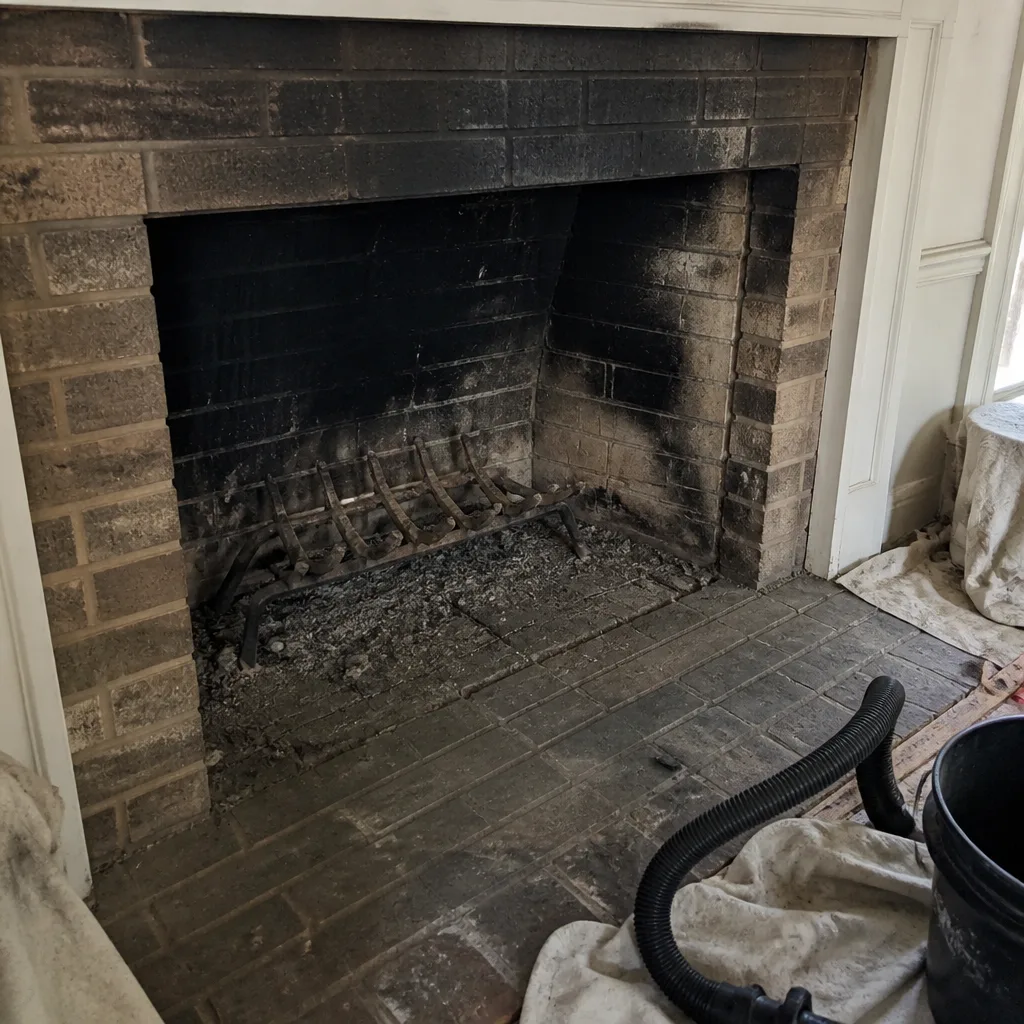 Before
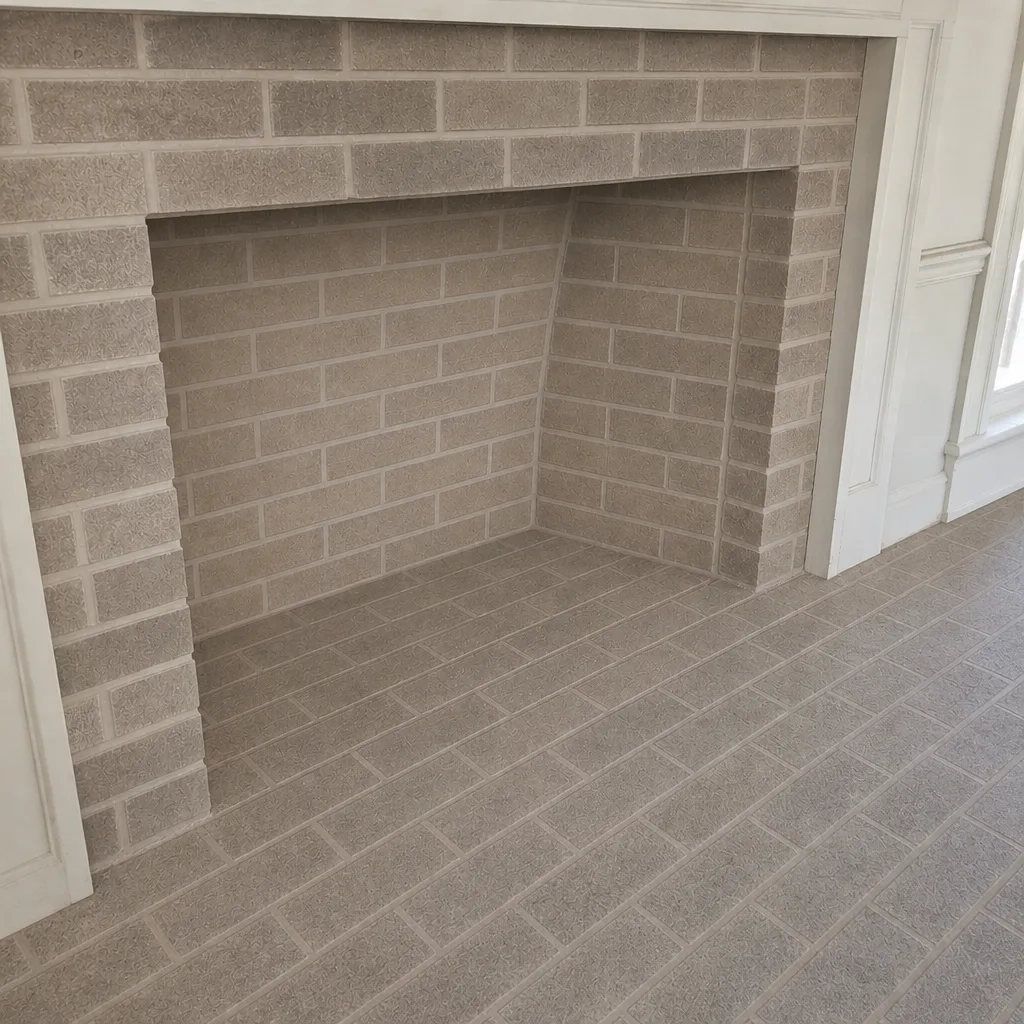 After
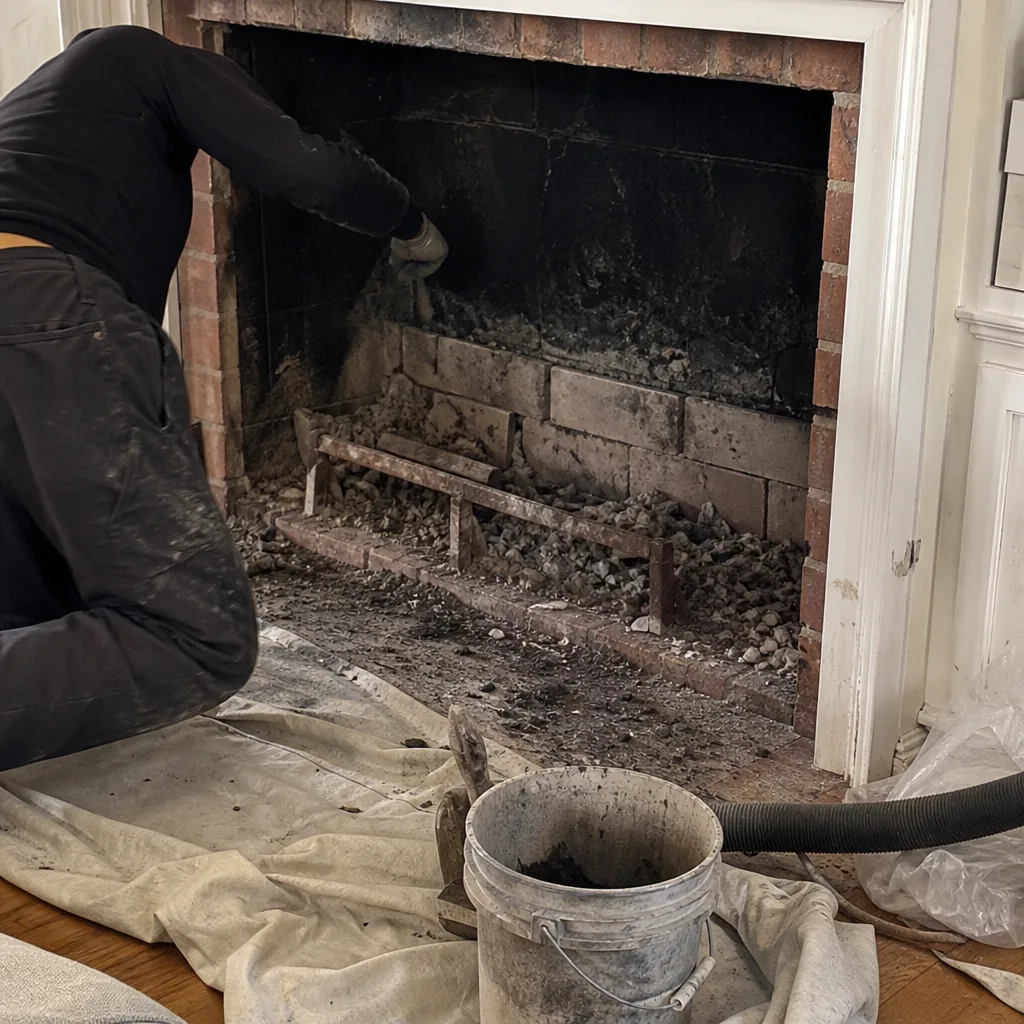 Before
 After
 Before
 After
When to Call a Professional
Call a professional the moment the failure is in the technician-only band or the safety-relevant band of the checklist. That means: firebox floor damage beyond a hairline crack, a damper that won’t seat, water stains on the smoke chamber or ceiling, cracked or missing crown, damaged cap, visible liner problems from the camera, or any chimney fire. It also means any time someone has told you a repair is needed and you want an independent read before saying yes. None of these are things to schedule for “next year.”
Chimney Sweep Myers Park offers free estimates in Myers Park – call (833) 902-6314. We answer 24/7. Fast dispatch from 7am to 7pm, Sunday through Friday. Every inspection starts with a camera so you can see exactly what we see, and no work is recommended without that evidence in front of you. If something can safely wait, we’ll tell you that too.
Frequently Asked Questions
Once a year is the right interval for most Myers Park chimneys with a wood-burning fireplace in regular winter use. The pace of the neighborhood’s tree canopy makes the annual sweep the reliable baseline here; a home on an open lot might get away with less, but shade and debris make a Myers Park chimney collect buildup and cap clogging faster. If you’re unsure whether yours is due, a standalone inspection answers it without committing to anything. Call (833) 902-6314 for a free estimate.
A sweep cleans the flue and firebox; an inspection assesses the whole system from the firebox to the cap. They often happen on the same visit, but they’re distinct services with different purposes. We offer inspection as a standalone service for exactly that reason: you should be able to get an honest read on your chimney before any decision about repair work. Call (833) 902-6314 if you’d like to start there.
Only if the camera evidence shows the existing flue tiles are cracked, displaced, or gapped enough that the system can’t safely contain the products of combustion. A liner is the right answer for a flue that can’t be sealed any other way, and HeatShield resurfacing is sometimes the right answer instead, which is a reason to have a specialist who offers both read the flue rather than someone who only installs liners. Ask to see the camera images before you decide. Call (833) 902-6314 for a free estimate on the inspection.
Creosote accumulates in the flue and becomes more difficult to remove the longer it sits, and a crown crack that was small in spring opens the masonry to a summer of water intrusion by fall. The risk compounds rather than staying flat, which is why the recommended sequence in this guide runs crown, flashing, liner. Skipping one season doesn’t usually cause a crisis, but skipping several is how a modest crown repair becomes a liner project. Call (833) 902-6314 for an assessment before the next season.
Yes. A cap and crown inspection is a defined piece of work, and we’ll look at it without pressuring a full sweep if the flue doesn’t need one. Cap and crown work is one of our core services because those are exactly the components that decide whether everything under them holds up. If the cap screen is clogged or the crown is cracked, we’ll show you and let you decide the timing. Call (833) 902-6314 for a free estimate.
We work with established trade materials including DuraFlex for flexible stainless liners (useful for older Myers Park flues with offsets), HeatShield for flue and smoke chamber resurfacing, and Olympia Chimney, Famco, and Copperfield components for caps, crowns, and repair parts. Using named materials matters for a simple reason: those are the products a chimney professional recognizes and specifies, and they’re the ones you can look up if you’re comparing quotes. Call (833) 902-6314 for a free estimate.
The Bottom Line
A chimney maintenance checklist works when it follows the physical reality of the chimney: crown first, then flashing, then liner, checked at the end of the burning season rather than the start. Split the items between what you can observe yourself (cap, mortar joints, damper, firebox floor) and what needs a technician’s camera (flue interior, smoke chamber, crown seal, flashing). In Myers Park, the tree canopy makes the annual checklist non-optional and the sweep interval one year for any fireplace in regular use. Document the condition each spring. And when a repair is recommended, ask to see the evidence that supports it. Our technicians have up to 15 years of experience, and every inspection we perform starts with a camera. Call (833) 902-6314 for a free estimate.
Written by the team at Chimney Sweep Myers Park.