
Last updated November 22, 2026
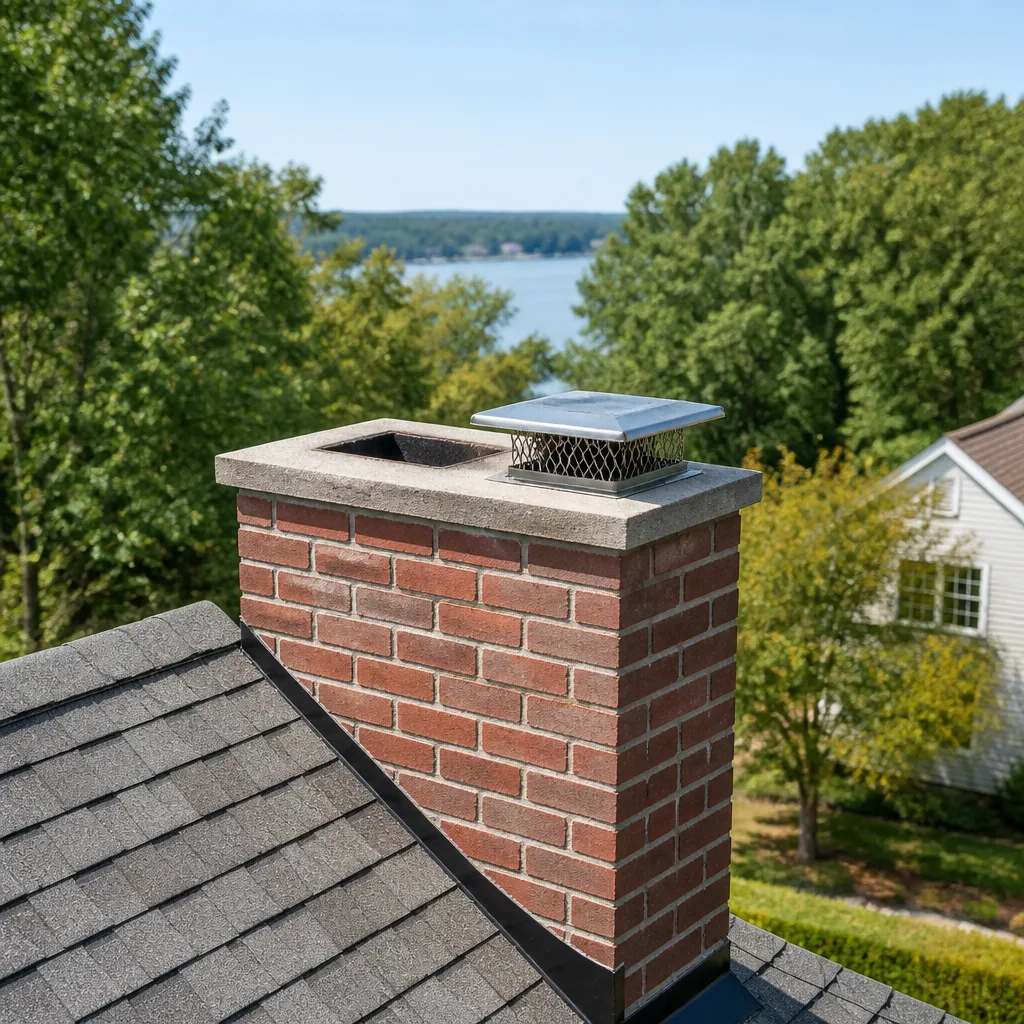 Sweep & inspection
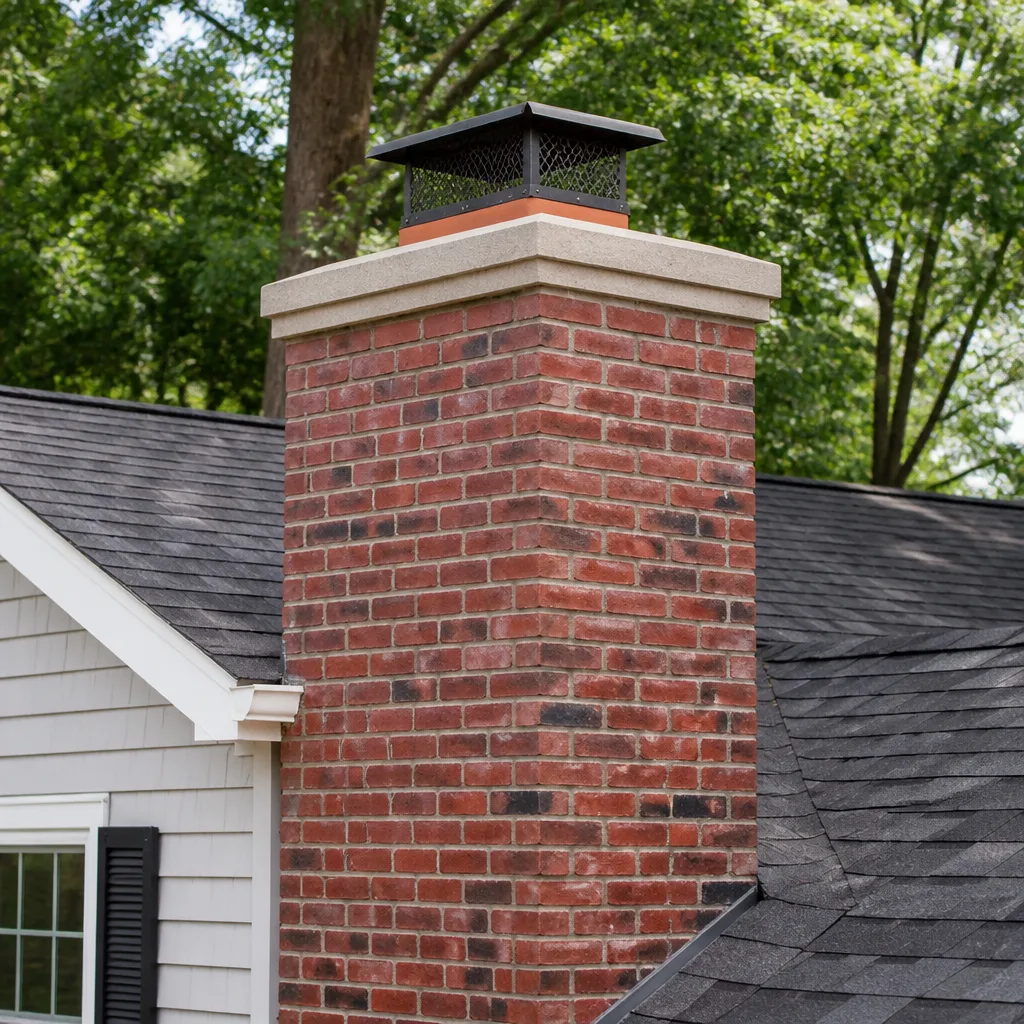 Caps & crowns
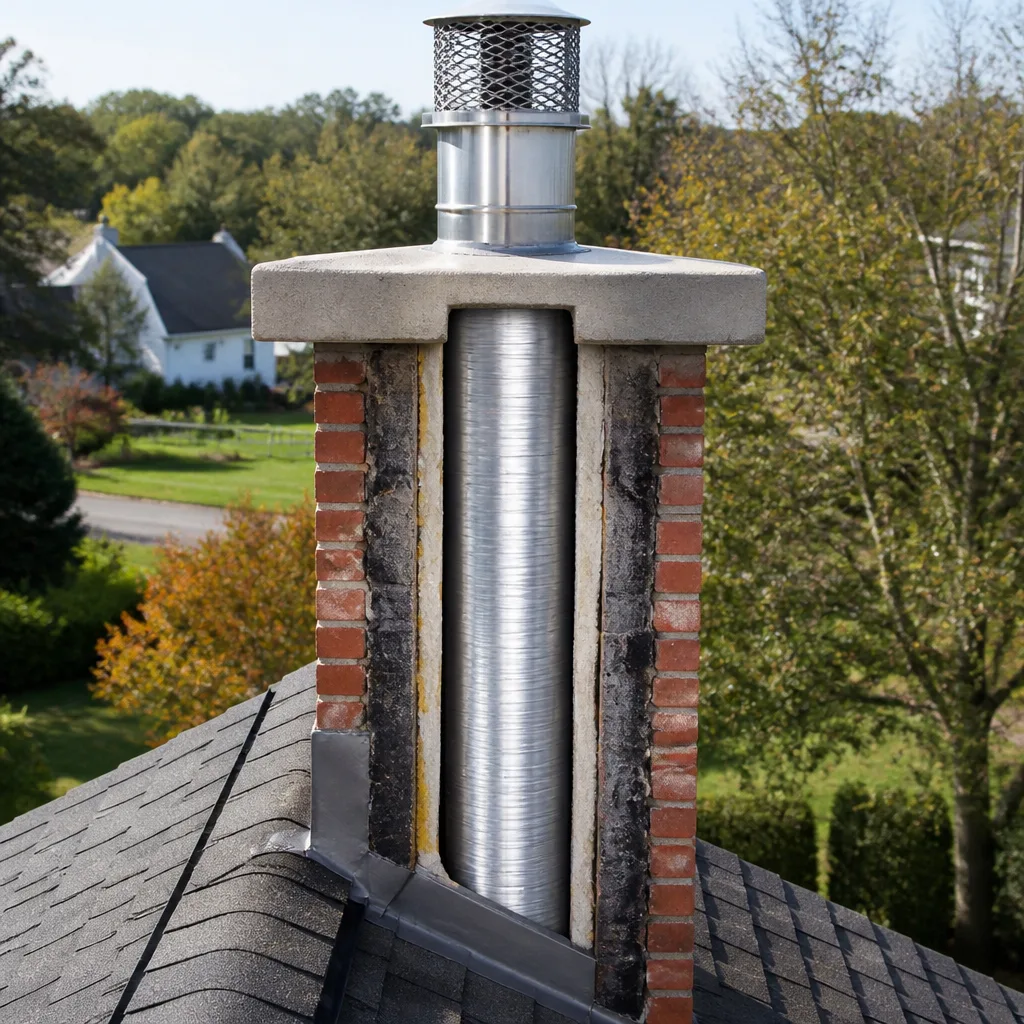 Flue relining
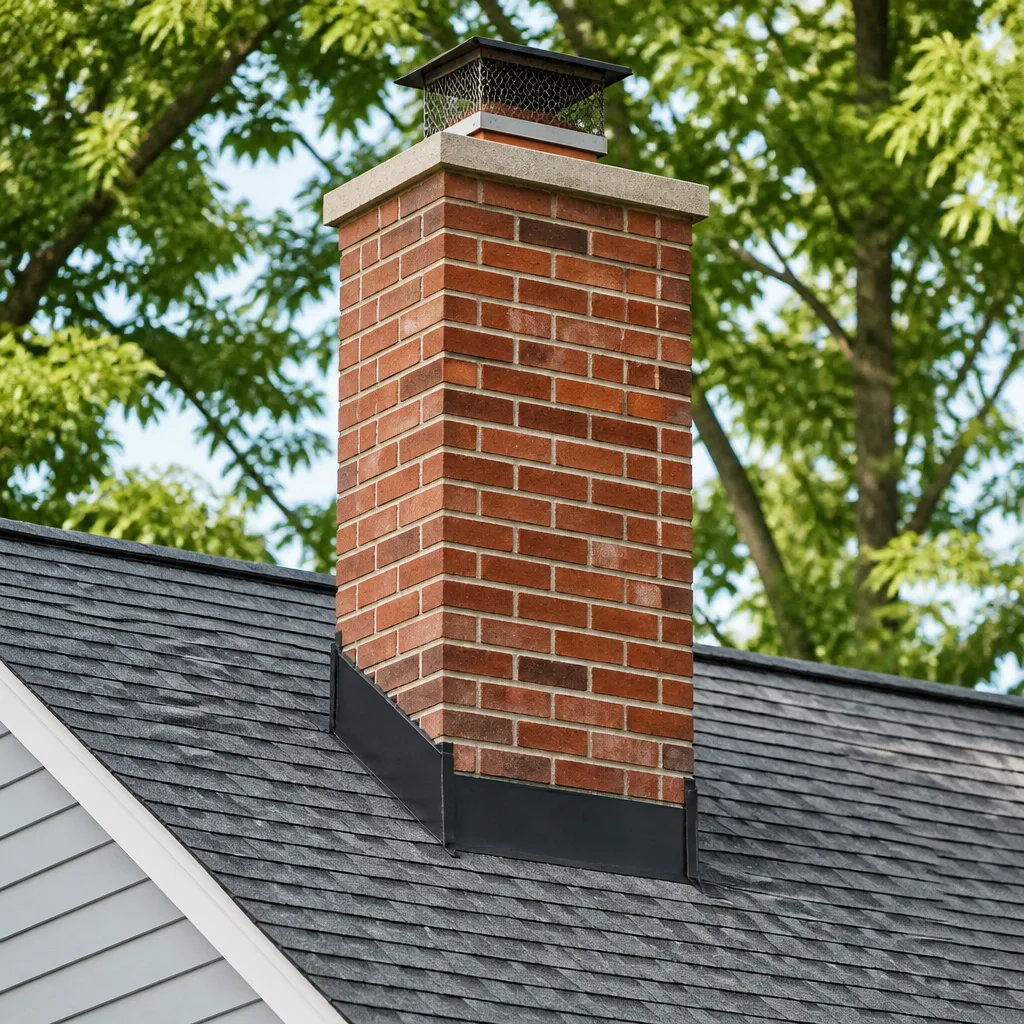 Masonry repair
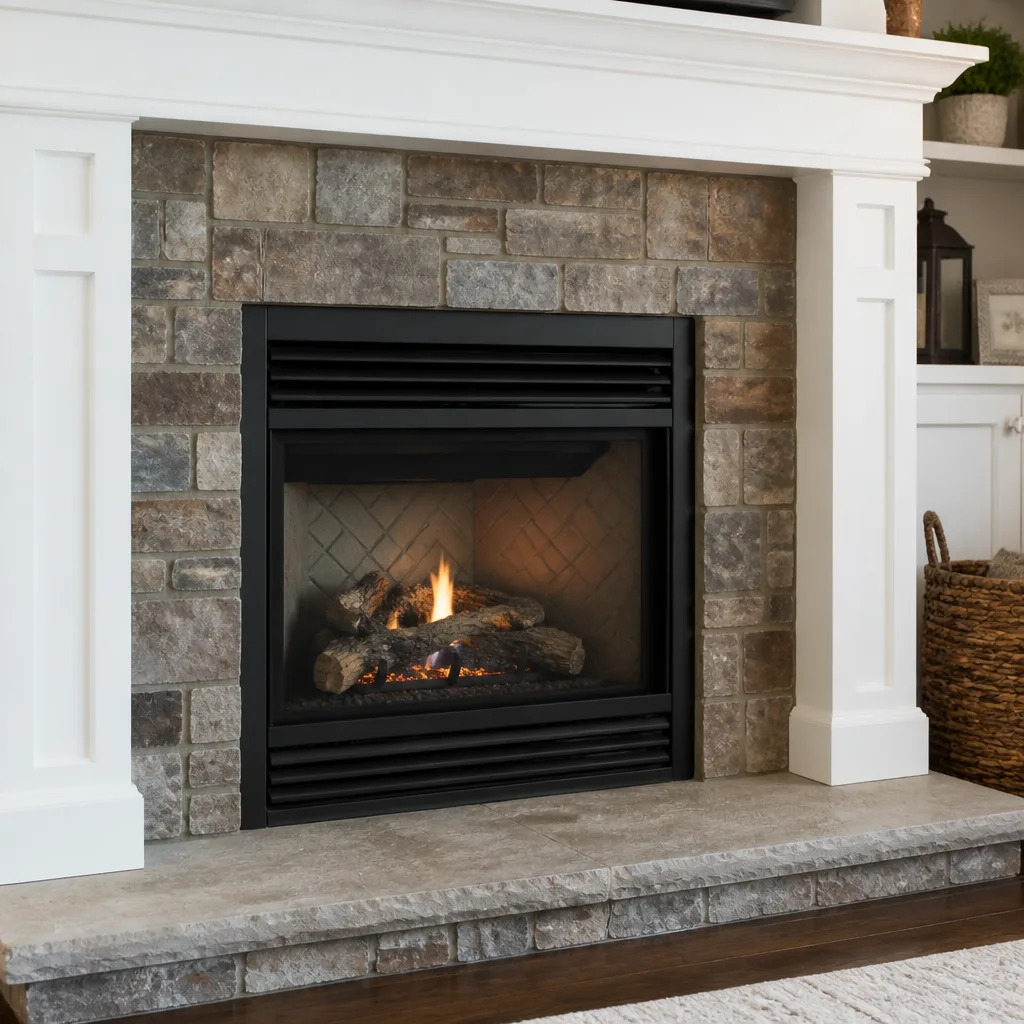 Gas fireplace service
Level 1 sweep and inspection to the NFPA 211 annual standard - flue, crown, cap, and flashing checked and photographed
Chimney sweep logs do not sweep chimneys. They loosen some creosote - which then falls where a brush and vacuum still have to collect it.
The Complete Guide to Chimney Cleaning in Myers Park
Most chimney guides are written for a hypothetical house. Myers Park has a disproportionate share of pre-1970 masonry chimneys with clay-tile liners, a combination that changes what “clean enough” actually means. In a newer home with a factory-built insert and a stainless flue, a sweep is largely a volume job. In a 1950s brick chimney with an original terracotta liner, the sweep is also the first real look anyone has taken at the tile, because the tile is what governs how often you need to repeat the process. This guide covers how cleaning actually works in Myers Park’s housing stock, what a quality visit looks like step by step, and how to tell whether the work you were quoted is necessary.
Quick Answer
A chimney in Myers Park should be cleaned when the creosote deposit on the flue reaches about 1/8 inch, which for most wood-burning fireplaces here means roughly once a year during active use, more often if you burn unseasoned wood or the chimney is slow to draft. Cleaning alone is not enough in older homes: the clay-tile liner condition determines whether the chimney is safe to use after the sweep, and that is why an inspection is the starting point rather than an add-on. A complete visit includes a Level 1 or Level 2 inspection, mechanical sweeping from the firebox up, and a camera look at the flue with photos you keep.
Styles & brands we work with
- Sweep & inspection
- Caps & crowns
- Flue relining
- Masonry repair
- Gas fireplace service
Table of Contents
- Why Myers Park Chimneys Are Different
- Creosote in Older Bricks: How It Accumulates
- Level 1 vs. Level 2: Which Inspection You Need
- Clay-Tile Liners: The Governing Factor
- What Happens During a Cleaning Visit, Step by Step
- Gas-Converted Fireplaces Still Need Sweeping
- How Often Should a Myers Park Chimney Be Cleaned?
- How to Tell the Work Was Done Well
Why Myers Park Chimneys Are Different
Drive through the blocks off Queens Road and Selwyn Avenue and the housing stock tells you most of what you need to know before you open the firebox. A large share of these homes were built before 1970, when masonry chimneys were standard and clay-tile flue liners were the norm rather than the exception. Those liners were set with mortar joints, and the bricks around them are often the softer, more porous type common in mid-century construction. Older brick absorbs moisture, and moisture plus creosote plus heat is the recipe for glazed, stubborn deposits that a handheld brush will not touch.
Newer construction in and around Myers Park usually runs to factory-built fireplaces with insulated stainless flues. Those chimneys behave quite differently. They draft predictably, the flue is smooth, and creosote tends to build in a thin, friable layer that sweeps off cleanly. The problem in a 1950s masonry chimney is that the flue interior may have a rough, spalled tile surface with mortar ledges at every joint, and creosote collects in those ledges first. That is why two houses on the same street can need completely different cleaning schedules while both burning the same cordwood.
Add the local burn season. Charlotte’s winters are mild enough that many households burn intermittently, a fire on a cold night, then nothing for a week. Intermittent burning with a cold flue produces more creosote than a steady daily fire in a well-warmed chimney, because the firebox and flue never stay hot long enough to draft cleanly. A chimney in Myers Park that sees a fire a few times a week from November through February can accumulate as much deposit as one burning every night somewhere colder.
None of this is about scaring anyone into extra work. It is about knowing what governs the schedule. In our experience, the homes here reward a look at the liner as much as the sweep itself, and that starts with a proper assessment. If you want the overview of the service first, the Chimney Sweep Myers Park page covers the basics, but the detail below is what actually applies to this neighborhood.
Creosote in Older Bricks: How It Accumulates
Creosote forms in three recognizable stages, and knowing them tells you why some cleanings are quick and others take equipment. Stage 1 is a soot-and-ash film that brushes away easily. Stage 2 is a flaky, crusty deposit that needs a rotary brush and some patience. Stage 3 is glazed, tar-like creosote bonded to the flue wall, and it does not respond to brushing at all. Stage 3 is the one that matters for fire risk, and it is the one older Myers Park chimneys are most likely to reach because rough tile surfaces give it somewhere to anchor.
What drives accumulation in a pre-1970 masonry chimney:
- Unseasoned wood. Green or damp cordwood produces more smoke and more creosote. Wood that has dried properly burns hotter and cleaner.
- Cool flues. A large masonry chimney serving a small fire stays cool, drafts poorly, and deposits creosote on the way up.
- Rough flue surfaces. Spalled tile and protruding mortar joints trap deposit that a smooth stainless flue would shed.
- Intermittent burning. Short fires that never warm the chimney fully are the common pattern in a mild Charlotte winter.
- Restricted air. A closed damper, a fire screen blocking the firebox, or a blocked cap all cut the air supply the fire needs.
In a smooth stainless flue, Stage 3 is rare. In a rough clay-tile flue that has been burning intermittently for years, it is common, and it is a genuine fire hazard rather than an aesthetic problem. When glazed creosote is present, the fix is professional removal with the right tools, not a homeowner with a wire brush. We would rather tell you that plainly than sell a sweep that leaves the problem in place.
Level 1 vs. Level 2: Which Inspection You Need
A Level 1 inspection is a visual check of the readily accessible parts of the chimney and venting with the tools normally on hand. It does not require opening anything concealed, and it is what a routine annual cleaning includes by default. A Level 2 inspection goes further: it uses a camera to look at the entire flue interior, checks accessible attic and crawlspace penetrations, and examines the chimney’s condition in more depth. Level 3, which involves actually opening walls or removing parts of the chimney, is reserved for a specific known problem and is not part of routine cleaning.
When a Level 1 is usually enough:
- The chimney has been cleaned and inspected regularly, and nothing has changed.
- You are maintaining an appliance that is already known to be in good shape.
- There is no reason to suspect a hidden problem.
When to move to a Level 2:
- You have just bought or inherited the home and have no reliable service history for the chimney.
- The chimney has had a change in fuel type, such as a wood fireplace converted to gas logs.
- A chimney fire has occurred, even a small one nobody reported at the time.
- There has been a structural event nearby, an earthquake, a major storm, or work done on the roof or chimney.
- An appliance has been replaced or a new liner or cap installed since the last inspection.
In Myers Park, the first item applies to nearly every transaction. A house that changed hands recently rarely comes with a service record, and a camera look at the flue interior answers questions a visual glance from the roof cannot. That is why chimney sweep visits here often include a Level 2, and why we treat the inspection as a standalone service rather than an upsell bolted onto the cleaning. You should be able to get an honest assessment before committing to any repair work.
Clay-Tile Liners: The Governing Factor
In a pre-1970 masonry chimney, the clay-tile liner is the piece of the system that decides everything else. The tile protects the surrounding brick and mortar from heat and corrosive flue gases. When the tile cracks, spalls, or loses a joint, the gases reach the brick, the mortar starts to fail, and the chimney’s structural integrity is on a clock. A sweep that cleans the flue but ignores a cracked tile has polished the outside of a problem.
What a technician should be checking on the tiles during a cleaning visit:
- Cracks, especially vertical cracks running the length of a tile.
- Spalling, where the tile face is flaking or chipping away.
- Missing or recessed mortar joints between tiles.
- Offsets or gaps where a tile has shifted out of line.
- Evidence of moisture, staining, or efflorescence on the surrounding masonry.
When the tiles are sound, the cleaning stays a cleaning. When they are not, the options range from targeted repair to relining, and the decision depends on how much of the flue is affected. This is where having the right materials matters. A HeatShield application can resurface deteriorated flue tiles and restore a usable, sealed flue in cases where full demolition and rebuild would otherwise be the only route, and it is a cost-saving option many chimney services do not offer. A DuraFlex liner handles the older or offset flues that a straight-shot stainless replacement cannot follow, which is common in mid-century Myers Park homes where the flue was built with a bend. We work with established names including Gelco and Olympia Chimney, so the components specified for a repair are the ones a chimney professional would recognize, not unbranded substitutes.
The practical takeaway: in Myers Park, cleaning frequency and liner condition are one conversation, not two. A chimney with failing tiles needs a different schedule than a chimney with sound ones, and no generic cleaning cadence can substitute for looking.
What Happens During a Cleaning Visit, Step by Step
A thorough cleaning follows a predictable sequence, and knowing the sequence is how a homeowner verifies quality. If a technician shows up with a handheld brush and a shop vacuum and is gone in fifteen minutes, the liner was never actually inspected and the firebox floor was probably never touched. Here is what a complete visit involves, in order.
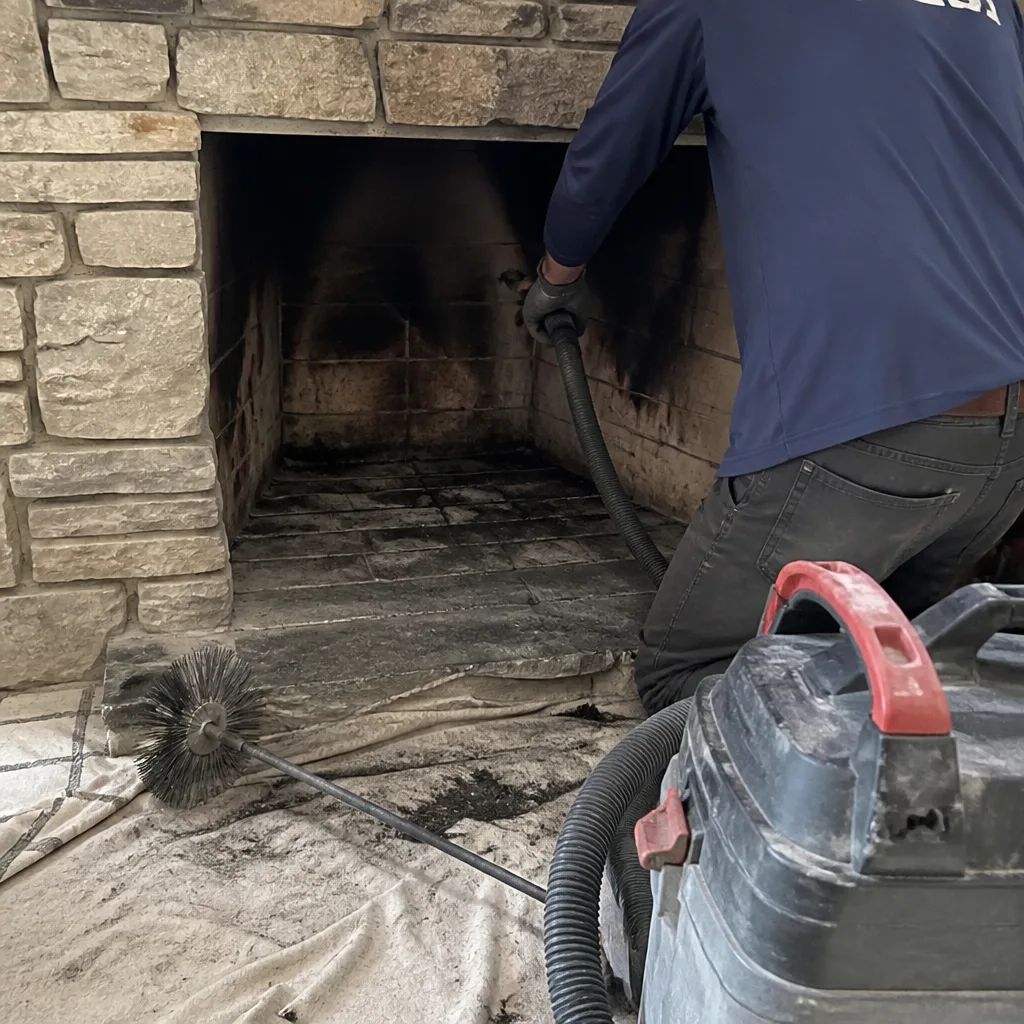
- Protection first. Drop cloths go down around the hearth and a sealed vacuum is set up before any soot is disturbed. The goal is that no dust leaves the room.
- Level 1 inspection of the accessible chimney. The firebox, damper, smoke chamber, and the visible portion of the flue are checked, and the cap and crown are inspected from the roof.
- Sweeping from the firebox up. A mechanical rotary brush sized to the flue clears the soot and creosote. Working from the bottom up keeps the mess contained and lets the technician feel where the brush meets resistance, which is a clue to rough or damaged tile.
- Camera inspection of the flue. A camera run down the flue checks the clay tile or liner for cracks and joint problems. This is where a Level 2 inspection earns its place, and where the photos come from.
- Smoke chamber and damper clean-out. These areas collect deposit that a flue brush misses, and a restricted damper is part of what causes the problem in the first place.
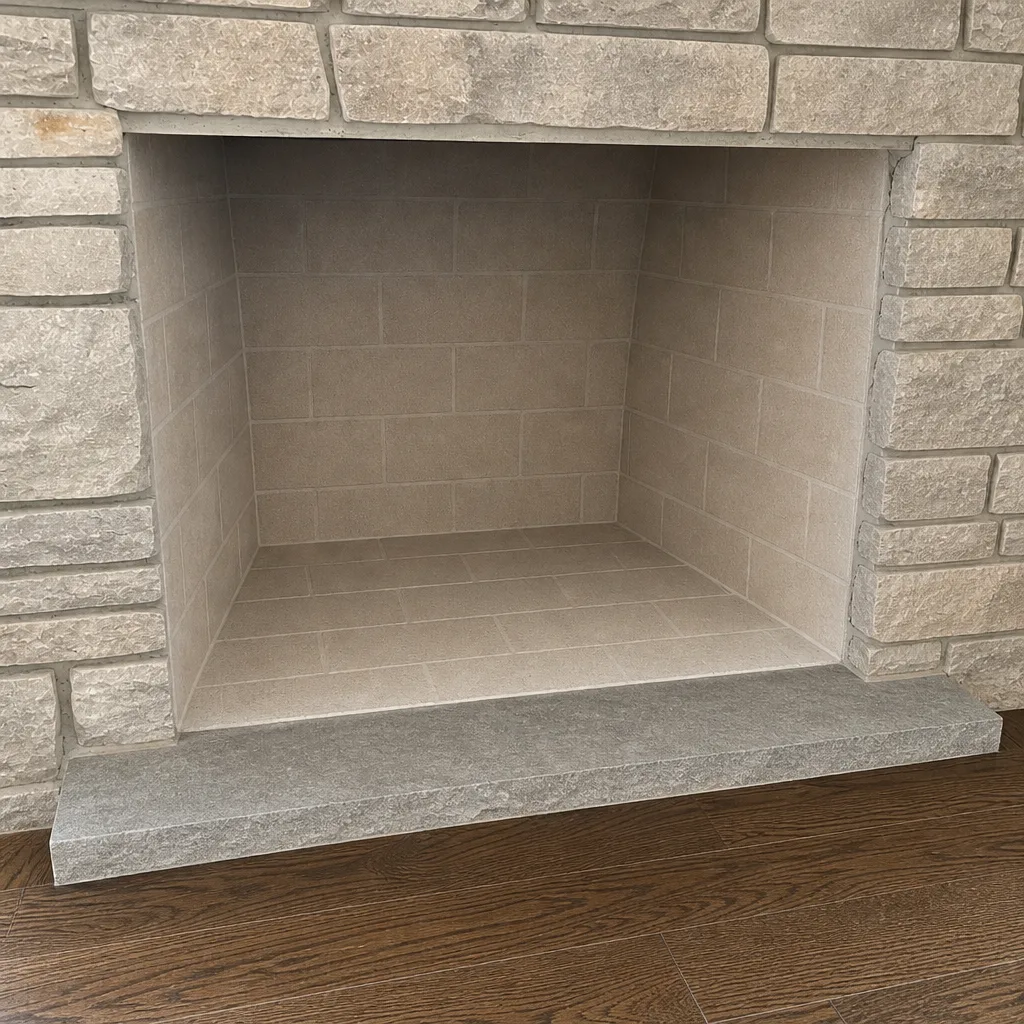
- Firebox and hearth vacuumed. The visible surfaces are left clean, not just the flue.
- Photo report and recommendation. You get the camera images and a plain-language summary of what needs attention now and what can wait.
The step that separates a professional visit from a cheap one is the camera. In our experience, the flue you cannot see is where the real story lives, especially in a pre-1970 Myers Park chimney. If a sweep is quoted without an inspection, ask what is actually being looked at. For fireplace-specific issues like a smoking firebox or a damaged damper, the work overlaps with fireplace repair, and the same inspection starts both.
Gas-Converted Fireplaces Still Need Sweeping
A gas log set does not produce creosote the way wood does, but it does not make the chimney self-cleaning. The flue is still carrying combustion byproducts out of the house, and gas combustion produces water vapor and mildly acidic condensate that can degrade the liner over time, particularly in a cold masonry chimney. The flue also becomes a highway for anything else that finds its way in: nesting birds, insects, and debris that falls from a failing cap. A blocked flue on a gas appliance can spill carbon monoxide back into the room, so the annual check still matters.
The other piece is that many Myers Park conversions were done on top of an existing wood-burning chimney. The wood flue below the gas logs may still hold years of old creosote, and a hot gas firebox sitting on top of that deposit is not ideal. A camera look tells you whether the old deposit needs clearing.
If a fireplace in Myers Park has been converted to gas, the visit shifts in what it checks:
- Flue condition for acid condensate damage.
- Blockages from animal nests or fallen debris.
- Clearance and venting at the termination point.
- A look at any wood-era deposit still in the flue.
Convection from the clearance around the chimney can also cause an old, blocked flue to spill exhaust into the house rather than pulling it up and out, so a draft test belongs in the check for any gas-converted chimney in Myers Park. It is a routine part of the work, not a special request.
How Often Should a Myers Park Chimney Be Cleaned?
Once a year during active use is the standard starting point, and most homes here fall in that range. But the annual rule is a default, not a law, and the right interval for a specific Myers Park chimney depends on the fuel, the liner condition, and how the fireplace is used.
- Wood-burning fireplace, sound clay tile, normal use: annually, checked during the cleaning.
- Wood-burning fireplace, rough or cracked tile: inspected at least annually and assessed more closely for relining.
- Gas fireplace or gas log set: annually, with a camera check to catch blockage and liner degradation.
- Heavy burning in cold weather: consider a mid-season check if the flue is slow to draft or the fire smokes.
- Any chimney with a new fuel type or appliance: a Level 2 inspection before the first season of use.
Boiler and furnace flues have their own intervals, and a masonry chimney serving a heating appliance drawn from the same flue as the fireplace should be assessed as a system rather than as two separate parts. The way to know for certain is the deposit level on the flue wall, and that is measured, not guessed. If you burn wood, check the firebox for visible soot buildup between visits; a thick layer there is a reasonable sign the flue is carrying more than it should. When in doubt, the honest answer is a quick inspection rather than a schedule that ignores the actual condition of the chimney.
How to Tell the Work Was Done Well
A good cleaning leaves evidence. You should be able to verify that the visit happened, that the flue was actually examined, and that the recommendation matches what the photos show. A few checks:
- Did you get photos? A camera run of the flue produces images you can keep. If there are none, ask why.
- Was the firebox and hearth cleaned? A thorough visit does not finish at the flue brush.
- Is the cap intact and seated? A dislodged or damaged cap lets water and animals into the flue, and the inspection from the roof should catch it.
- Was the smoke chamber addressed? Deposit in the smoke chamber is common and often missed.
- Is the recommendation specific? “Your chimney needs work” is not an answer. You want the issue identified, the option explained, and a written estimate that sets the final price.
- Was anything recommended that the photos cannot show? If a repair is proposed and the evidence is not in the images, ask to see it before agreeing.
The last two items matter most. The real hesitation for a homeowner here is being told a liner or a chunk of masonry work is needed and having no way to verify it. That is why the camera evidence should be yours to look at, and why we say plainly when a repair can wait and a cleaning is enough for now. Nothing should be recommended without evidence you can see for yourself.
The same principle applies to the weatherproofing side. A chimney cap and crown are not upsells when the existing cap is loose or the crown is cracked and letting water into the masonry; they are what stops the next round of liner damage. When that work is needed, the chimney cap & crown page explains what a proper install involves, using products from suppliers like Copperfield and Famco.
Common Mistakes to Avoid
- Treating the sweep as the whole job. A cleaning without an inspection in a pre-1970 Myers Park chimney misses the tile condition, which is the part that decides safety. The sweep cleans; the inspection tells you what the cleaning revealed.
- Hiring a generalist who sweeps “as a side service.” A handyman who is willing to sweep is not the same as a chimney specialist who does it every day. The specialized equipment and the camera are what separate the two, and the depth of knowledge matters when the flue is unusual.
- Burning damp or unseasoned wood to save money. It costs more in creosote than it saves in fuel. Wood that has dried properly burns hotter and leaves less deposit, which is a real saving over time in a rough-tile flue.
- Assuming gas means no cleaning. Gas appliances still vent combustion products, and a blocked flue on a gas fireplace is a carbon monoxide hazard in Myers Park as much as anywhere.
- Skipping the inspection after a chimney fire. Even a small fire can crack a tile, and the damage is invisible without a camera. A Level 2 inspection after any fire is the baseline.
- Ignoring the cap and crown. Water is the most common cause of masonry failure, and a missing or damaged cap lets it in all winter. It is one of the easiest problems to prevent.
- Accepting a rebuild quote without evidence. If a full reline or masonry rebuild is proposed, ask for the photos that show the failure, and get a second opinion before committing. HeatShield resurfacing is often the better option when the damage is in the tile surface rather than the structure.
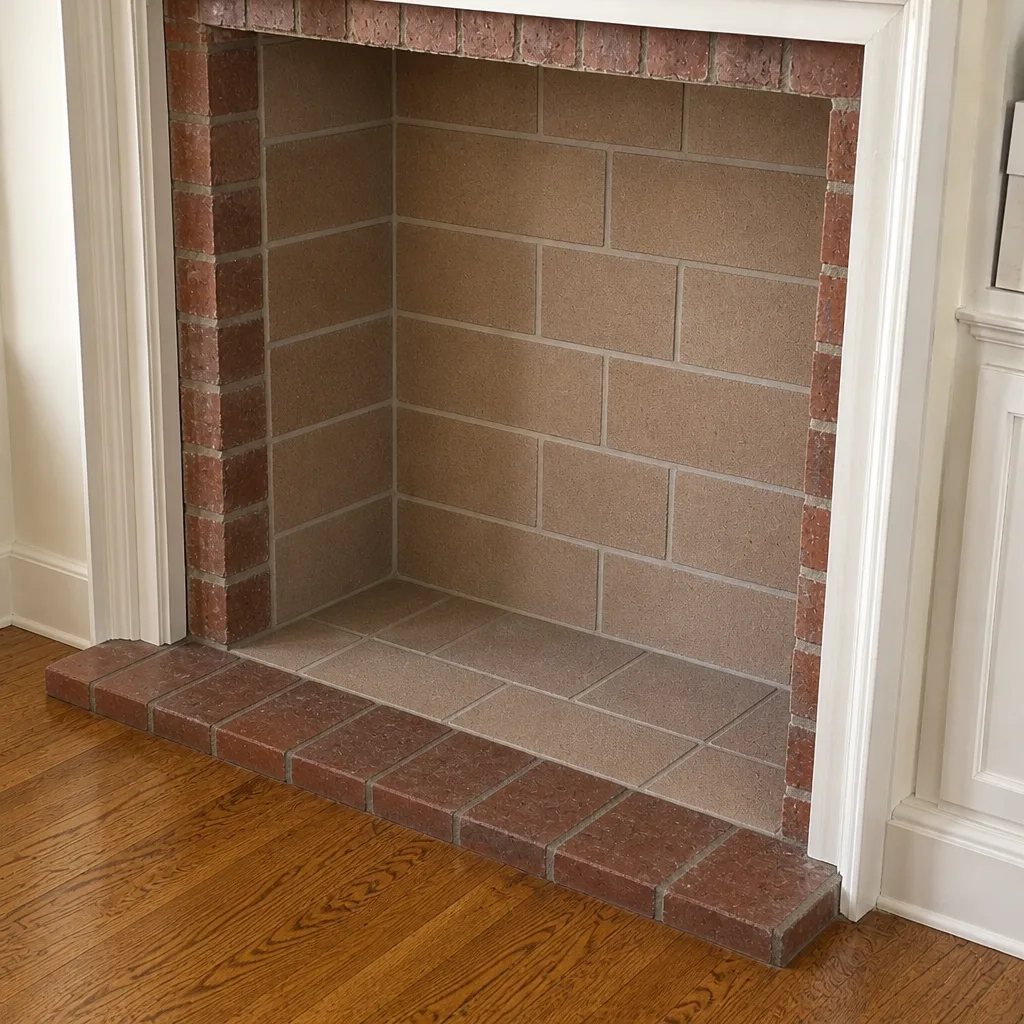
See the difference
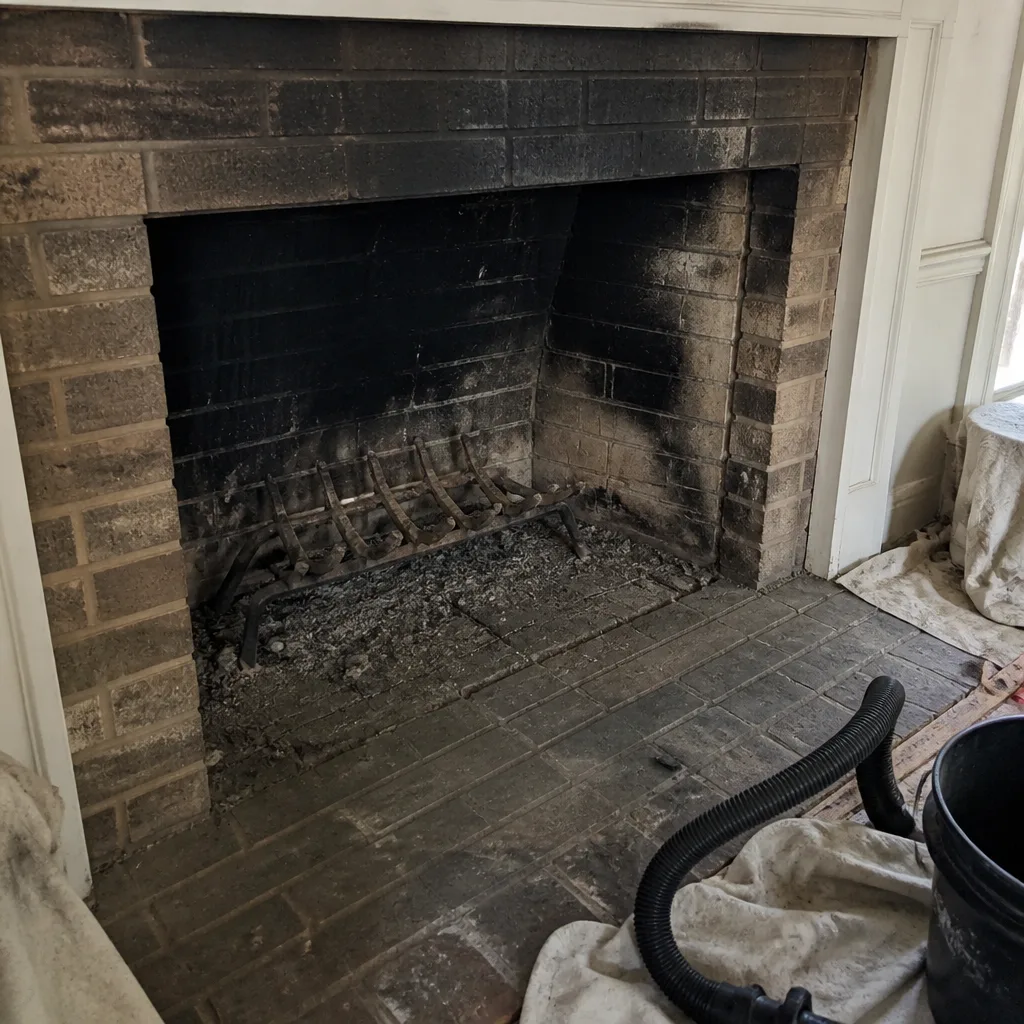 Before
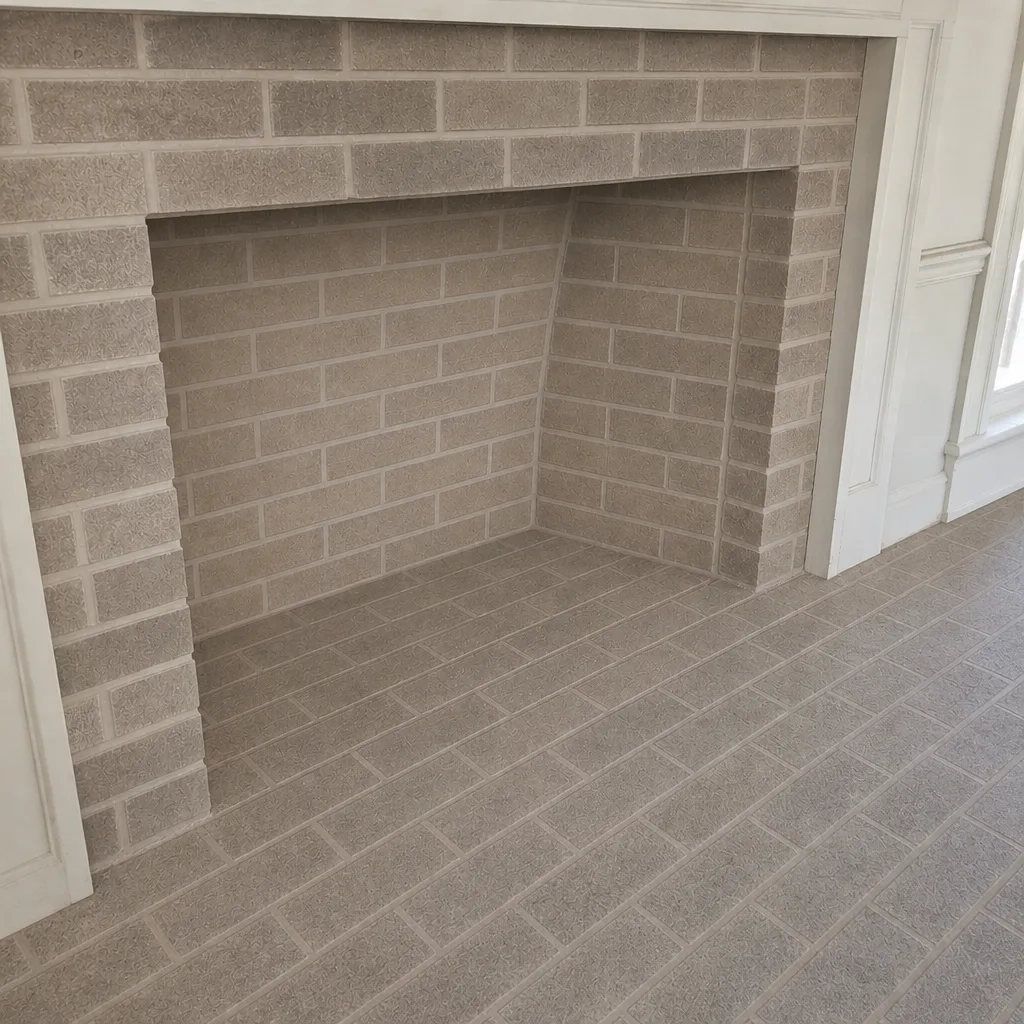 After
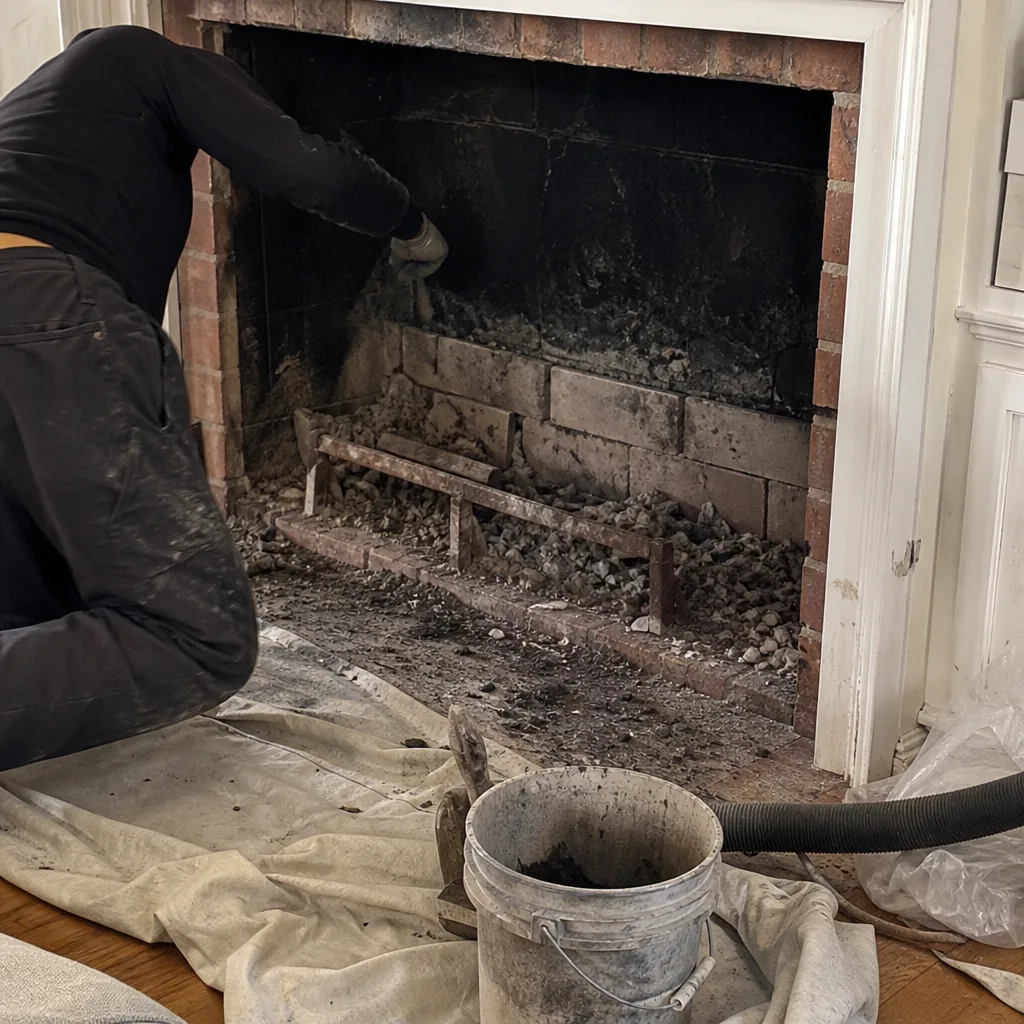 Before
 After
 Before
 After
When to Call a Professional
Call a professional when the fire smokes back into the room, when you smell a strong creosote or sooty odor even with no fire lit, when the damper will not open or close cleanly, when you can see cracked or missing flue tile through the firebox, or when you have just bought a Myers Park home and have no service history for the chimney. Call after a chimney fire, even a small one, and call if the visible deposit in the firebox looks thick or glazed. A carbon monoxide alarm going off near a wood-burning or gas appliance is a stop, not a call-back-later. Chimney Sweep Myers Park offers free estimates in Myers Park. Call (833) 902-6314. We answer 24/7. Fast dispatch from 7am to 7pm, Sunday through Friday.
Frequently Asked Questions
Chimney cleaning in Myers Park typically runs in a modest range for a standard firebox and flue, and the exact price depends on the flue configuration, how much deposit is present, and whether a camera inspection is included. The written estimate sets the final price, and the estimate itself is free, so the way to know for certain is to ask. Call (833) 902-6314 for an exact quote.
Once a year during active use is the right default for most homes here, and more often if you notice a thick soot layer in the firebox or the fire smokes. In pre-1970 Myers Park homes with rough clay-tile flues, the schedule should follow the measured deposit level and the tile condition rather than the calendar alone. Call (833) 902-6314 to book a look.
Only if the camera shows that the existing liner is actually failing, and no one should tell you otherwise without showing you the footage. HeatShield resurfacing can often restore a flue with surface-damaged tiles without full demolition, which is a lighter option than a complete reline in many cases. Call (833) 902-6314 and ask to see the evidence before you agree to anything.
Creosote keeps building on the flue wall, and past a certain point it glazes and becomes difficult to remove by standard brushing, which raises the fire risk. In a masonry chimney there is also the slower problem of a compromised tile letting moisture and gases reach the surrounding brick. The safe move is a low-cost cleaning now rather than an expensive repair later. Call (833) 902-6314 for a free estimate.
Yes. Gas fireplaces need a yearly check even though they produce no wood creosote: the flue still vents combustion byproducts, and blocked or damaged venting is a carbon monoxide risk. A camera inspection also reveals any older wood-era deposit remaining in the flue below the gas log set. Call (833) 902-6314 to arrange an assessment.
A Level 1 is a visual check of the readily accessible parts of the chimney, which is what a routine annual cleaning includes. A Level 2 adds a camera inspection of the full flue interior plus a look at accessible concealed areas, and it is the right choice for a newly purchased home, a fuel-type change, or after a chimney fire. In Myers Park, most first-time inspections on an inherited chimney are Level 2s. Call (833) 902-6314 to talk through which one you need.
The Bottom Line
Chimney cleaning in Myers Park is not a one-size-fits-all job. The age of the housing stock, the clay-tile liners in pre-1970 homes, the intermittent burn season, and the gas conversions all change what “clean enough” means for a given chimney. What stays constant is the sequence: inspect first, clean the flue and smoke chamber thoroughly, look at the tile with a camera, and give the homeowner a photo report and a plain-language recommendation. One specialist, every stage, from the firebox to the cap, so you are not coordinating a sweep and a repair contractor separately. Our technicians have up to 15 years of experience, and the estimate is free with no service-call charge. The next step is a call: (833) 902-6314. We answer 24/7. Fast dispatch from 7am to 7pm, Sunday through Friday.
Written by the team at Chimney Sweep Myers Park.