
Last updated November 22, 2026
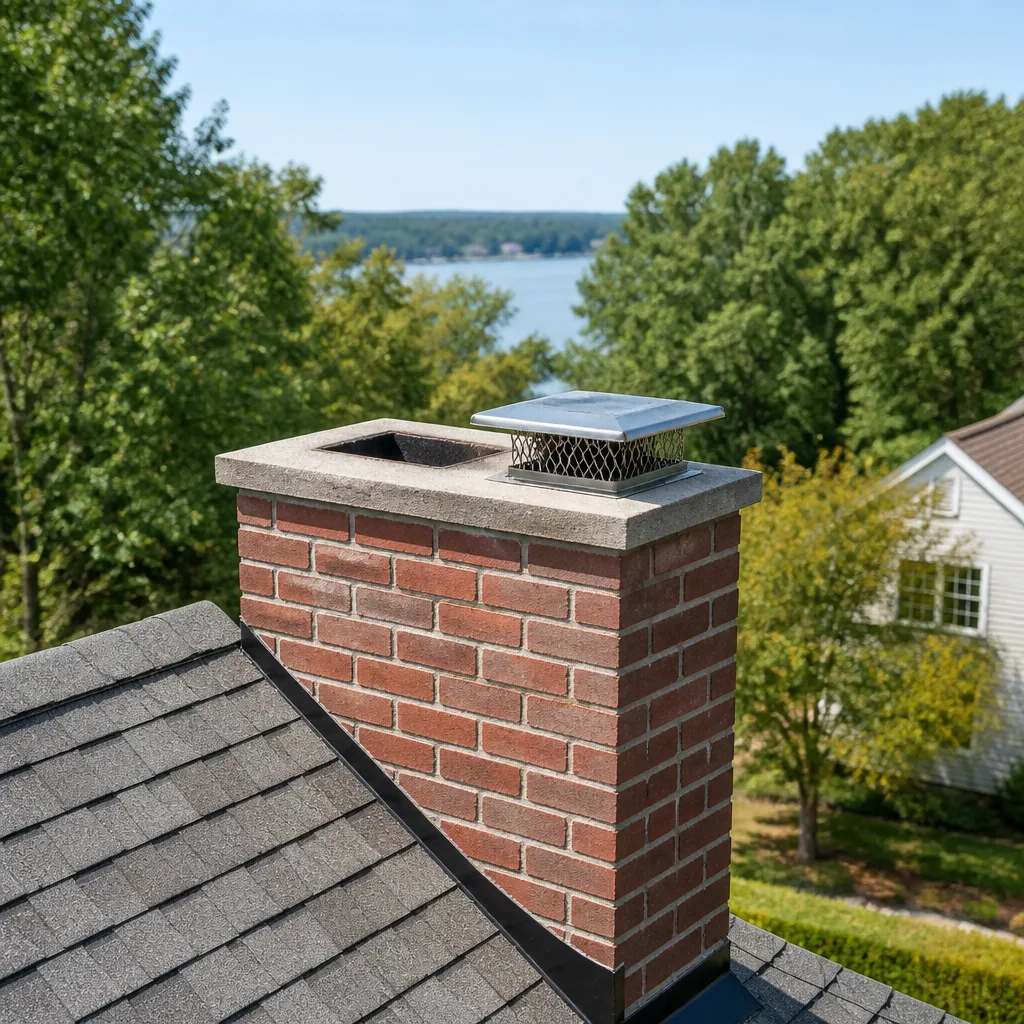 Sweep & inspection
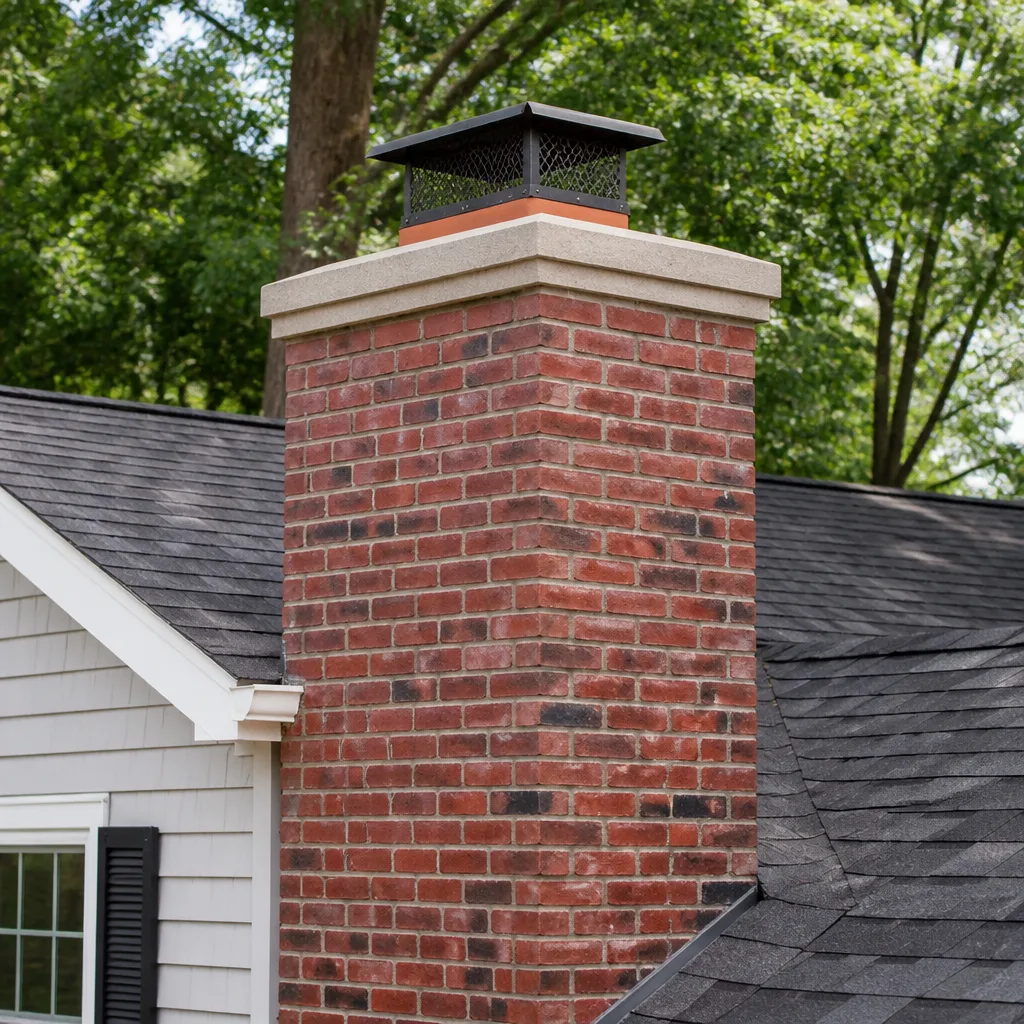 Caps & crowns
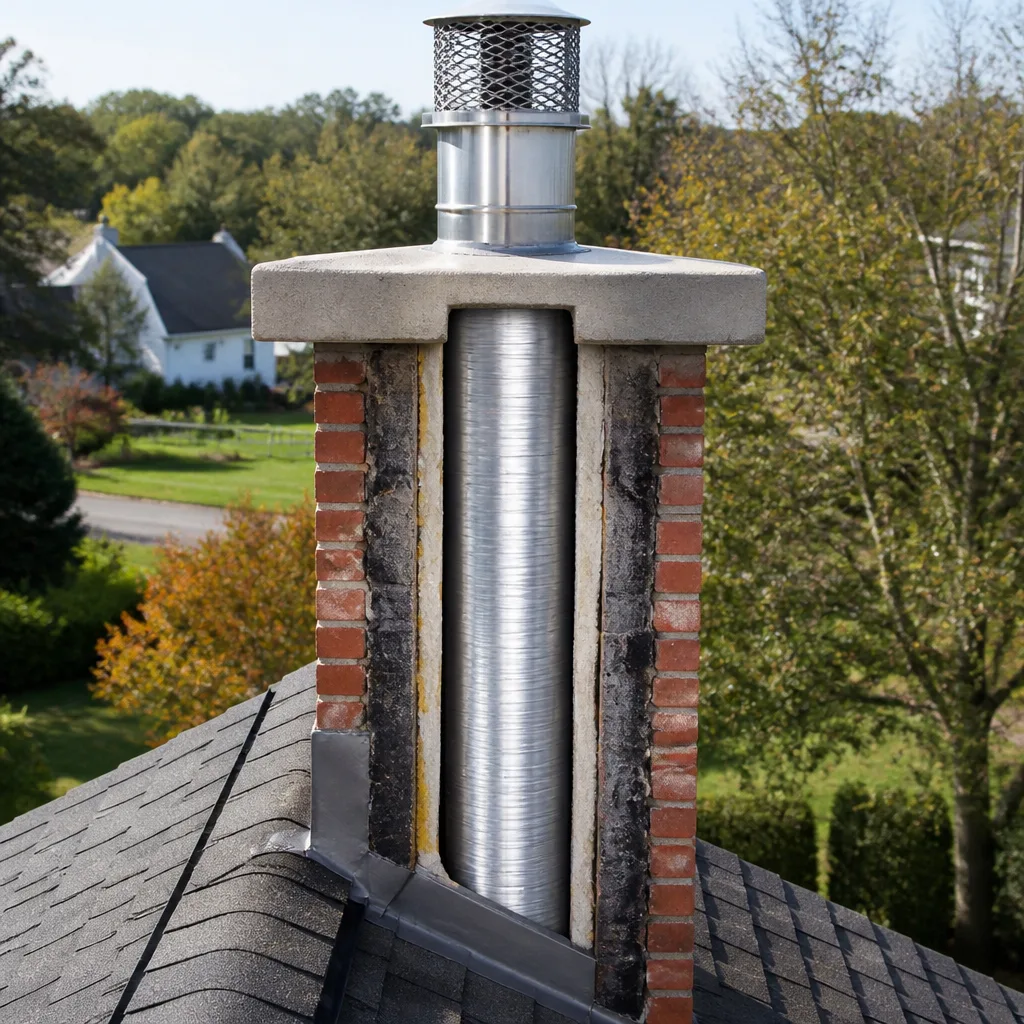 Flue relining
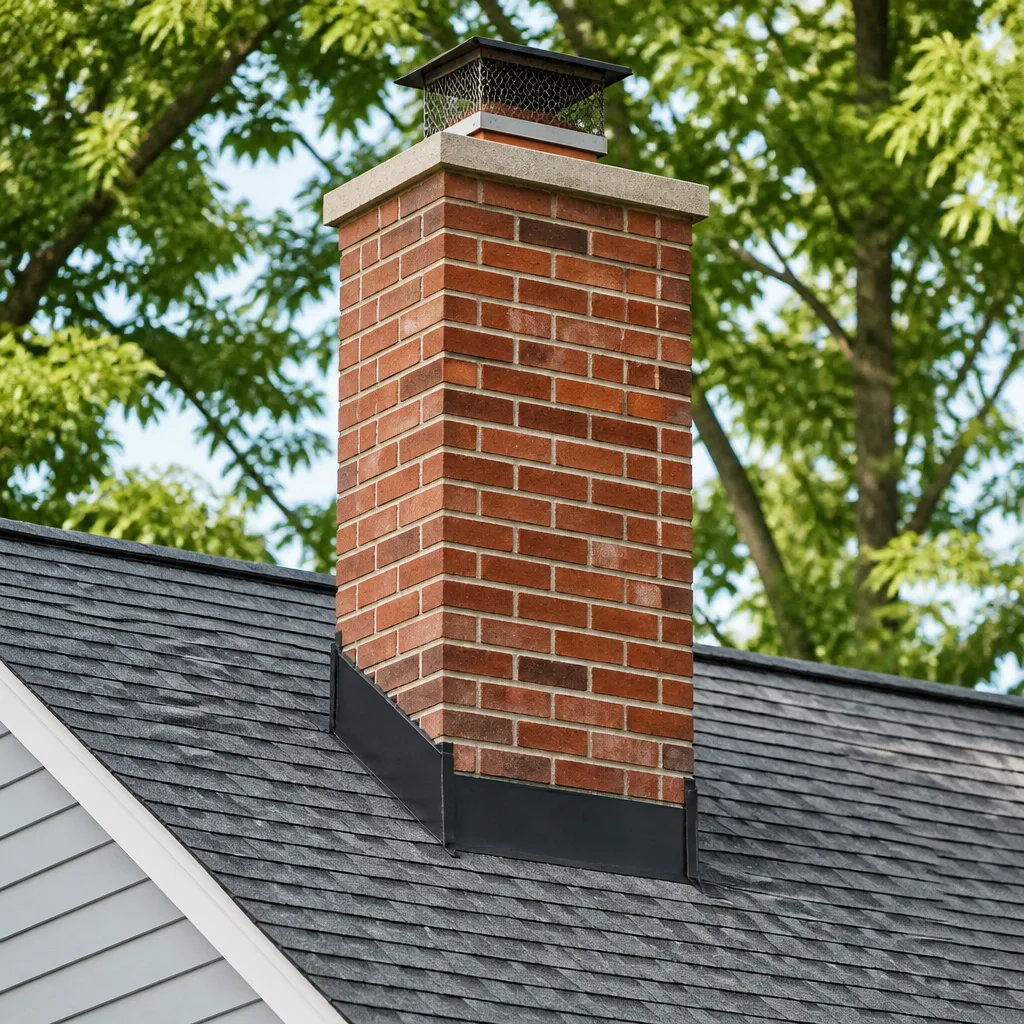 Masonry repair
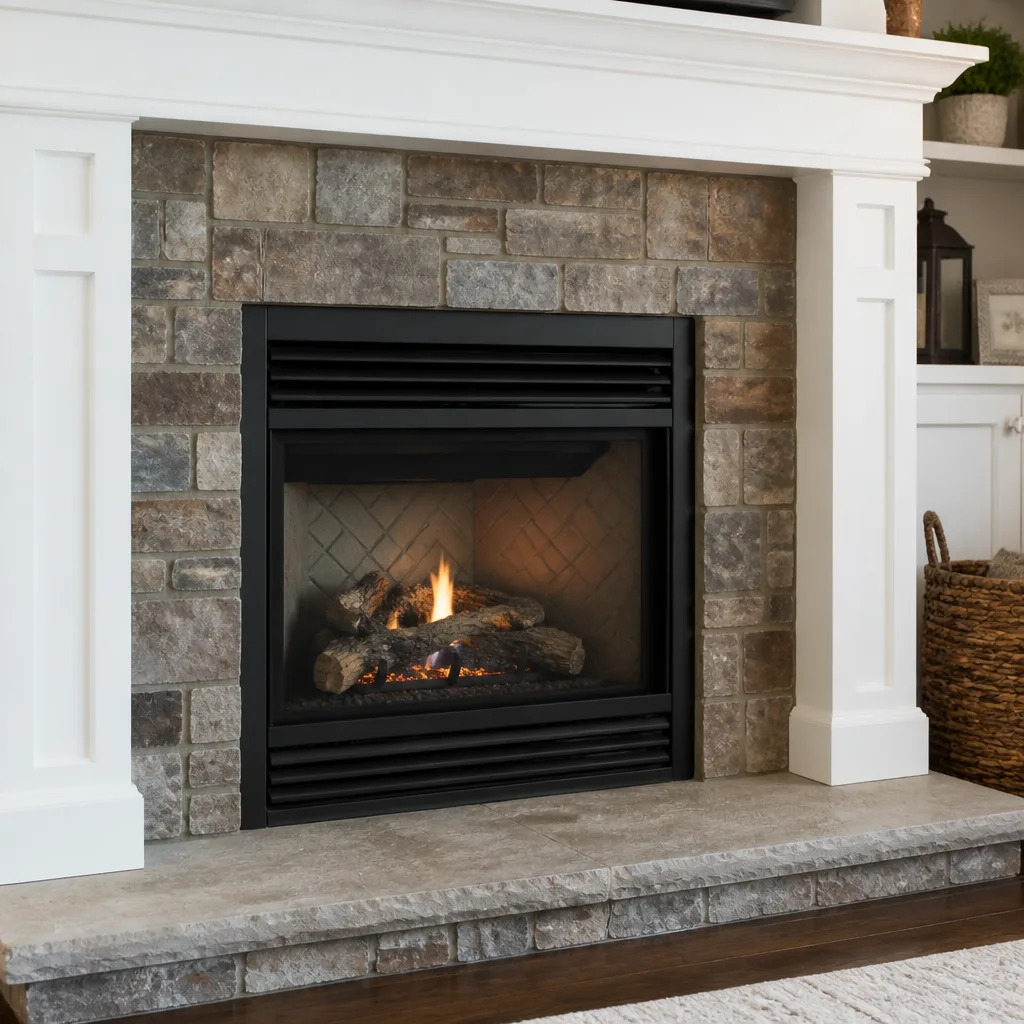 Gas fireplace service
Level 1 sweep and inspection to the NFPA 211 annual standard - flue, crown, cap, and flashing checked and photographed
Chimney sweep logs do not sweep chimneys. They loosen some creosote - which then falls where a brush and vacuum still have to collect it.
Seasonal Chimney Cleaning Care for Myers Park: Year-Round Homeowner’s Guide
Most chimney advice assumes a cold climate. It arrives in October, tells you to book before the first freeze, and then goes quiet until next autumn. That advice was written for New England, not for a neighborhood where the fireplace runs on crisp December evenings and the humid summer is what actually does the damage. In Myers Park, the biggest threat to a chimney isn’t winter ice. It’s the long, wet, quiet stretch when nobody is burning anything. This guide maps chimney care to the specific stressors this area produces: humid summers, a mild but real winter, and a heavy tree canopy that fills cap screens faster than most homeowners expect. By the end, you’ll know what to check each season and when a single annual visit does the job.
Quick Answer
In Myers Park, chimney care runs on a single annual service visit placed in late summer or early fall, paired with a spring look at anything winter or pollen left behind. That rhythm works because our climate’s real stress on a chimney is summer humidity and tree debris, not deep cold. Homes that burn heavily, have an older unlined flue, or sit under dense canopy sometimes need a second look in spring. The visit itself is an inspection plus a sweep, and the schedule should be set by what the chimney shows, not by a calendar habit carried over from another part of the country.
Styles & brands we work with
- Sweep & inspection
- Caps & crowns
- Flue relining
- Masonry repair
- Gas fireplace service
Table of Contents
- Why Myers Park’s Climate Sets a Different Chimney Rhythm
- Summer: The Season That Quietly Does the Most Damage
- Fall: A Preparation Checklist Timed to the Real First Fire
- Winter: What to Watch While the Fireplace Is Running
- Spring: Finding Winter’s Damage Before Moisture Returns
- Pollen, Seeds, and Tree Debris: The Canopy Problem
- One Visit a Year or Two? What Decides the Schedule
- Common Mistakes to Avoid
Why Myers Park’s Climate Sets a Different Chimney Rhythm
Myers Park sits in a humid subtropical zone, which sounds gentle and isn’t. The defining feature isn’t how cold it gets, it’s how wet the air stays for months on end. Relative humidity that hangs in the upper range through July and August works steadily on anything porous, and a chimney is a stack of porous and steel components stitched together with seals. Mortar is porous. Brick is porous. A crown is a slab of mortar-based material sitting on top of the whole assembly, taking the full run of sun and rain.
That single fact reshapes the maintenance calendar. In a northern climate, water gets in mostly as ice and snowmelt, and it drains away once the thaw ends. Here, moisture arrives as humid air and driving summer storms, and it doesn’t freeze dry. It lingers. It soaks in and evaporates slowly, over and over, for four or five months.
- Humid summers keep mortar and unsealed surfaces damp long enough for freeze-thaw cycles to bite when the first real cold snap does arrive.
- Mild but real winters mean dozens of light freeze-thaw swings rather than one deep freeze, which is harder on mortar joints than a steady cold.
- A heavy tree canopy drops leaf litter, seed pods, and pollen onto caps and into screens, cutting airflow and trapping moisture inside.
- Long shoulder seasons mean the fireplace is idle for most of the year, giving moisture months of undisturbed time to work on seals and steel.
The practical upshot: in Myers Park, the chimney’s hardest season is the one when it isn’t in use at all. That’s why our recommendation starts in late summer, not late autumn. Chimney Sweep Myers Park treats that timing as the backbone of a year-round plan.
Summer: The Season That Quietly Does the Most Damage
The most counterintuitive piece of Myers Park chimney care is this: your chimney’s worst enemy is the humid summer, not the winter. Moisture attacks the parts of a chimney that are most expensive to rebuild, and it does it slowly, invisibly, and while everyone is at the pool. Most of what we see in a late-summer inspection traces back to months of accumulated damp.
The crown is the prime target. A mortar crown is the mortar cap that sheds water away from the top of the chimney. When it’s uncoated or already has a hairline crack, humid summer air and rain get into it, and the crown starts to crumble at the edges. A crumbling crown lets water run down into the flue and into the brickwork below. That’s the mechanism behind a lot of “sudden” repair proposals a homeowner hears in October.
Steel components take a slower hit. A stainless liner or a cap screen sitting in a damp, poorly ventilated flue can show surface corrosion from moisture that never fully clears. Seals around the cap and the flue transition can dry, shrink, and pull away.
What to do in summer:
- Look at the crown from the ground with binoculars. Cracks, a crumbly edge, or a crown pulling away from the flue are all worth a professional look.
- Check the cap screen for leaves, seed pods, and bird activity. A blocked screen cuts airflow, which keeps the flue damper and slows drying.
- Keep the firebox dry. If a damp smell or a stain on the firebox walls appears in summer, that’s moisture tracking down from above, not a mystery.
- Book the inspection for late summer, before the fall rush, so the visit is a checkup and not a scramble.
Myers Park’s older homes, especially those with mature hardwoods overhead, see more crown and cap wear than newer builds with full sun exposure. A proactive chimney sweep and inspection in late summer is the cheapest point to catch all of it.
Fall: A Preparation Checklist Timed to the Real First Fire
“Before winter” is a phrase borrowed from colder maps. Here, the real clock is the first genuinely cool evening that makes you want a fire. In Myers Park, that’s usually late October into November, and the fireplace season stretches into early spring with plenty of mild gaps. The fall checklist should be finished before that first fire, not before the calendar says “winter.”
A fall preparation sequence worth following:
- Get the inspection first, not last. Inspection before sweeping means we see the chimney’s actual condition, not a cleaned-up version of it. Chimney inspection here is a standalone service, so you know exactly what the chimney needs before any work begins.
- Sweep the flue. A sweep removes creosote and soot built up from last season. Creosote is the fuel for a chimney fire, and the glazed, hardened form is much harder to remove than the soft, fluffy form.
- Check the cap and crown. This is the weatherproofing layer, and it’s a named service, not a footnote. A tight cap with an intact screen keeps rain, birds, and debris out of a flue you’re about to start using. Copperfield-sourced caps and crown components hold up well and give a clean fit.
- Test the damper. Open and close the throat damper by hand. It should move freely and seat fully. A stiff or partly stuck damper is a common fall finding after a humid summer.
- Clear the firebox and check the grate and doors. If the firebox has cracked refractory panels, loose mortar, or a door that won’t latch, that’s fireplace repair, and it’s better handled before the season than during it.
- Confirm the liner is sound. The liner is the part that keeps heat and combustion gases inside the chimney. If a fall inspection finds cracks or gaps, a DuraFlex flexible stainless liner can be fitted into an older or offset flue without a rebuild.
Fall is also when a lot of homeowners first hear from an insurance adjuster or a home inspector that something needs attention. An inspection is the honest starting point, and it gives you a straight answer about what actually has to be done before the first fire is lit.
Winter: What to Watch While the Fireplace Is Running
Winter is the season when a chimney should be low-maintenance, because a properly prepared one is. Most winter problems trace back to something that wasn’t checked in fall. The goal for the season is to run the fireplace safely, watch a few specific signals, and not treat every pop or smell as an emergency.
The signals worth paying attention to:
- A stronger-than-usual smoke smell in the room. That can mean a partial blockage or a damper that isn’t opening fully.
- A sudden loss of draft, or smoke spilling into the room. Stop using the fireplace and get it checked. Draft loss can point to a blocked flue or a liner problem.
- Visible smoke from the top of the chimney at odd times. Some smoke on start-up is normal. Smoke that keeps coming long after the fire has died down, or a loud roaring sound, is not.
- Corrosion or staining around the firebox. Wet patches on the firebox walls or rust on steel parts usually point to water getting in from the cap or crown above.
Winter is not the time to put off a repair that affects the liner or the crown. A crown that’s shedding water in January will keep doing it until spring, and every freeze-thaw cycle between now and then widens the cracks.
One seasonal habit that pays off here: burn dry, well-seasoned wood and don’t overload the firebox. Wet wood produces more creosote, and creosote from a damp season is exactly what you’ve been trying to avoid. It’s worth being honest with yourself about the woodpile.
In our experience across Myers Park, the winter calls we get most often are draft and smoke issues that trace back to a cap screen loaded with summer debris. A quick inspection before the season prevents most of them.
Spring: Finding Winter’s Damage Before Moisture Returns
Spring is the most underused season for chimney care in this climate, and it’s genuinely the most valuable. Here’s the logic. Winter damage is created by freeze-thaw cycles, and it’s magnified by every humid month that follows. If a mortar joint cracked in January, it doesn’t get better in June, it gets worse. Spring is the one window when you can catch winter’s handiwork before the humid season gives it another six months to deepen.
What a spring look should cover:
- Crown integrity. Freeze-thaw swings are hardest on the crown. Hairline cracks that started small can open up over a winter of light freezes.
- Mortar joints and flashing. Anywhere water can enter is worth a close look, because it’s about to get a lot of humidity to work with.
- Liner condition. A mild winter can still stress a liner at its joints. A quick check confirms nothing shifted.
- The cap screen and throat damper. Spring is peak pollen and debris season in Myers Park, and a screen that’s already carrying winter grit clogs faster once the pollen arrives.
Spring is also the right time for defects that will only get worse. If a fall inspection flagged a crown that “isn’t urgent yet,” spring is when “yet” tends to arrive. Addressing it now means the repair is done before the moisture returns, not in a rush before the first fire.
The honest version of this: some spring findings really can wait. A small masonry chip that isn’t letting water in is a note-and-watch item, not a repair. The point isn’t to find work. It’s to find water entry before it has a season to spread.
Pollen, Seeds, and Tree Debris: The Canopy Problem
Myers Park’s tree canopy is one of the best things about the neighborhood, and it’s also the reason its chimneys need more screen and damper attention than most. From early spring through early summer, pollen, seed pods, and leaf litter settle onto caps and screens. That debris season has a direct effect on chimney performance, in two ways.
The first is the cap screen. A screen is there to keep animals and large debris out while letting exhaust gases flow through. Once pollen and litter start packing into the mesh, airflow drops. A restricted screen can cause draft problems, and once the fireplace season starts, a blocked screen can be the reason smoke doesn’t go where it should.
The second is the throat damper. Pollen and fine debris are drawn into a flue, and some of it settles on the damper seat and in the firebox. A damper that was opening cleanly last fall can start to bind by summer. The throat damper is a moving part and it needs to move to work.
A simple way to stay ahead of the canopy:
- Look at the cap screen after peak pollen, and clear it if the mesh is visibly coated.
- Open and close the throat damper in late spring and again in early fall. It should move with light hand pressure.
- Watch for bird nesting in the cap. A chimney without a screen, or one with a torn screen, is a favorite nesting spot in spring.
For Myers Park homes near the older tree-lined streets, a spring sweep of the firebox and a look at the screen go a long way. That’s also when a torn cap screen is cheapest to sort out, before the birds find it. An Olympia Chimney or Copperfield cap setup that fits snugly is worth more than a screen that’s been patched together.
One Visit a Year or Two? What Decides the Schedule
Most Myers Park chimneys are fine on one annual visit, but “one visit a year” isn’t a universal rule. It’s a starting point, and what decides the schedule is the chimney itself. Two Myers Park chimneys can need different schedules for reasons that have nothing to do with neighborhood and everything to do with how the chimney is built and used. Here’s how to think about it.
The one-visit case (the majority here):
- The fireplace is used a normal amount, mostly on cool evenings through the winter.
- The cap and crown are in good shape and shedding water.
- The liner is sound and the flue has been cleaned to bare metal or clean masonry on a prior visit.
- A late-summer inspection comes back clean or with only minor notes.
The two-visit case (worth considering if two or more of these apply):
- An older home with an unlined or clay-tile flue that’s already had a structural note.
- Heavy fire use, burning most nights through the whole season.
- Dense tree canopy directly over the cap, so the screen needs an extra clear-out.
- A crown that’s been flagged as needing attention, so it gets a spring check before moisture season.
- A fireplace used as a fireplace rather than a decoration, with wood stored and ready to go.
The schedule isn’t a sales decision. It’s a technical one, and it should come out of an inspection. If a fall inspection comes back clean and the crown is sound, one visit is the honest answer. If the inspection finds water entry or a flue that’s already stressed, a spring checkup makes sense. That’s the standard we hold ourselves to, and it’s why inspection stands as its own service here rather than a reason to sell you something. Material choice matters too: HeatShield resurfacing can restore deteriorated flue tiles without full demolition, and a DuraFlex liner handles offset flues, so the schedule is built around what’s actually there.
In our experience in Myers Park, the annual late-summer visit covers about 80% of homes. The other 20% benefit from the spring look, and it’s honest to say so. One specialist, every stage, means the person who finds the problem is the person who can fix it.
Common Mistakes to Avoid
- Treating fall as the only maintenance window. In Myers Park’s climate, the humid summer does more damage than winter, so a fall-only habit misses the biggest risk. Late summer is a better checkup time than late autumn.
- Skipping the crown check from the ground. Water entry most often starts at the crown. A two-minute look with binoculars each spring and fall can show you a small crack before it becomes a rebuild.
- Clearing the cap screen only when the fireplace is being used. Pollen and tree debris fill screens through the spring and summer, when the flue is idle. Clearing it in late summer avoids a draft surprise in December.
- Waiting for a problem to be “urgent.” A small masonry crack that isn’t letting water in can wait. A crown that’s cracking or leaving the flue is a different matter, and treating the two the same leads to either over-servicing or a repair that’s more expensive than it needed to be.
- Assuming one visit a year is the universal answer. It’s the right starting point for most Myers Park homes, but an older unlined flue or a heavily used fireplace can justify a spring check as well. Let the inspection set the schedule.
- Putting off a liner question until fall. A liner problem is a safety question, not a cosmetic one. If it’s flagged in spring, there’s a whole dry season to deal with it.
- Using a generalist for chimney work. A chimney is a specific system with its own components and its own failure points. Multi-trade contractors tend to treat it as a sideline, which is exactly how small water problems become structural ones.
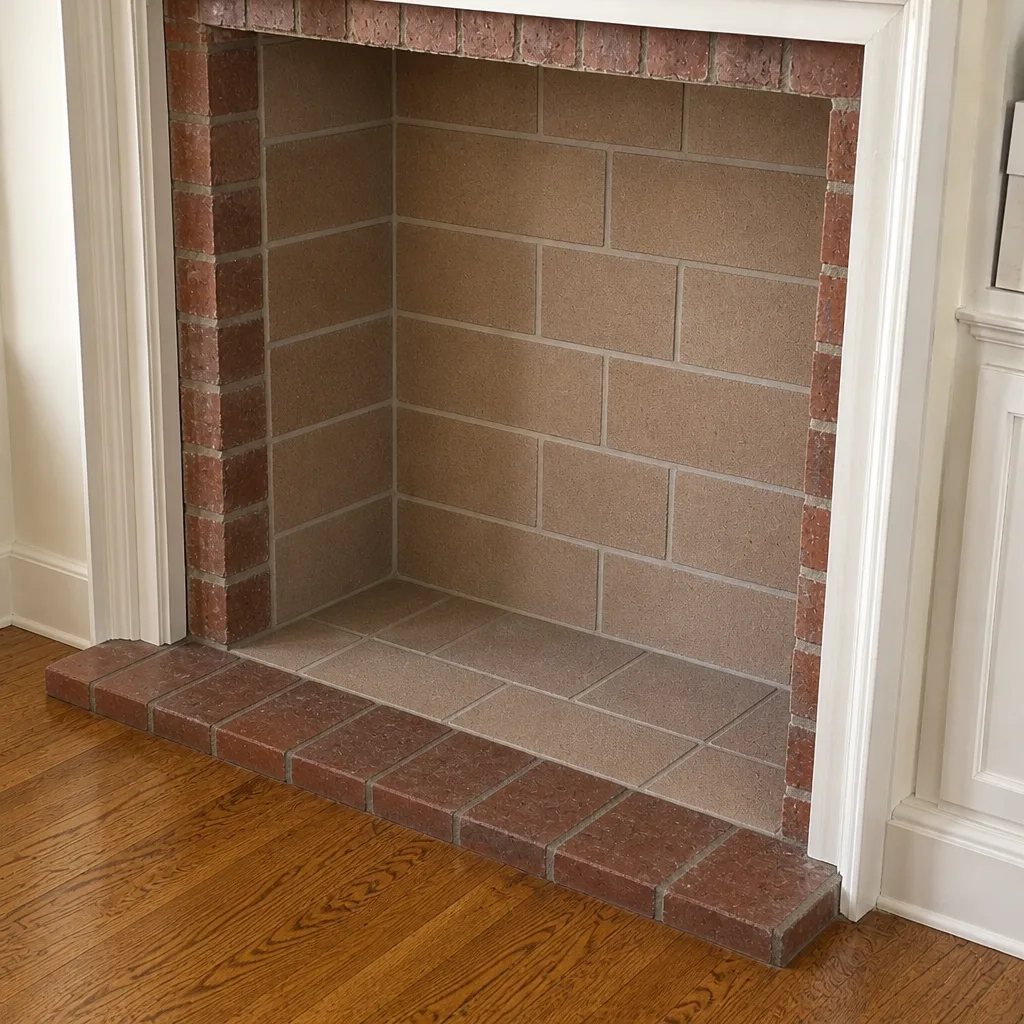
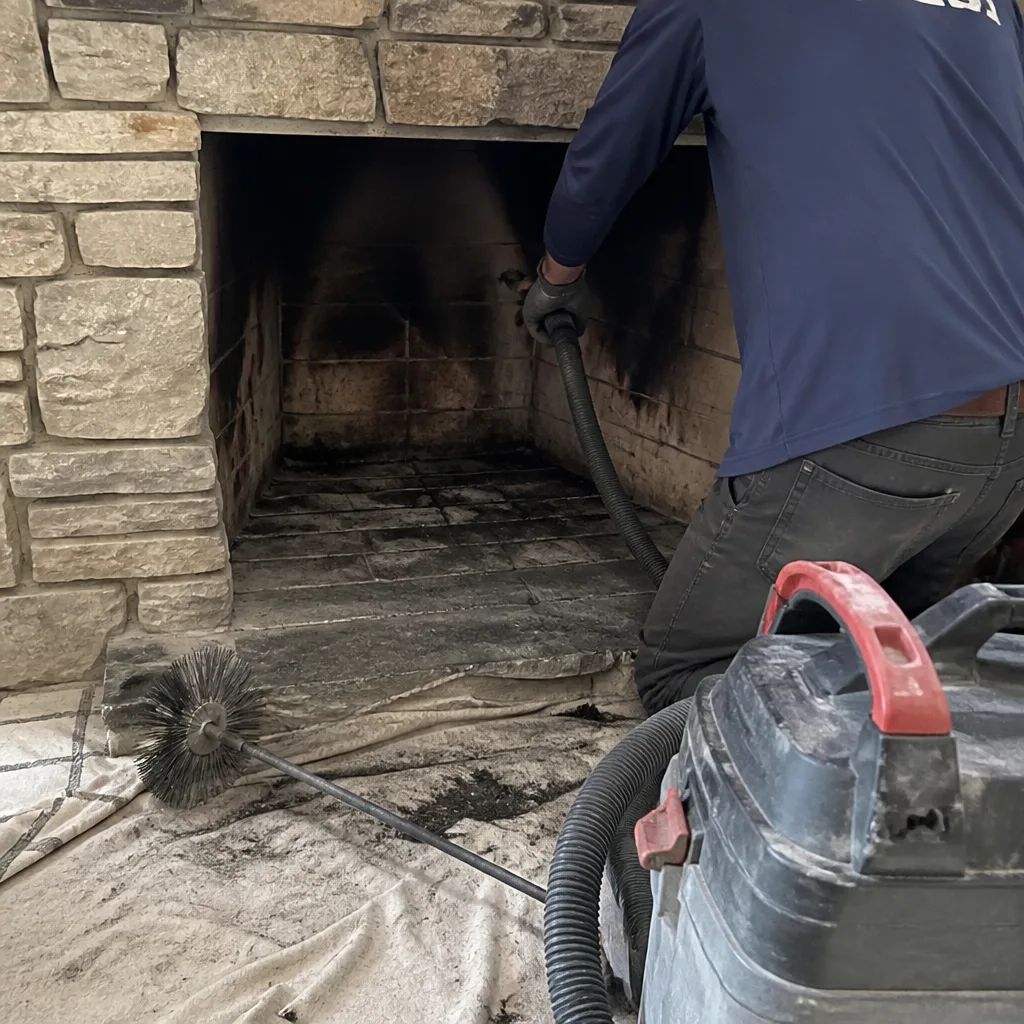
See the difference
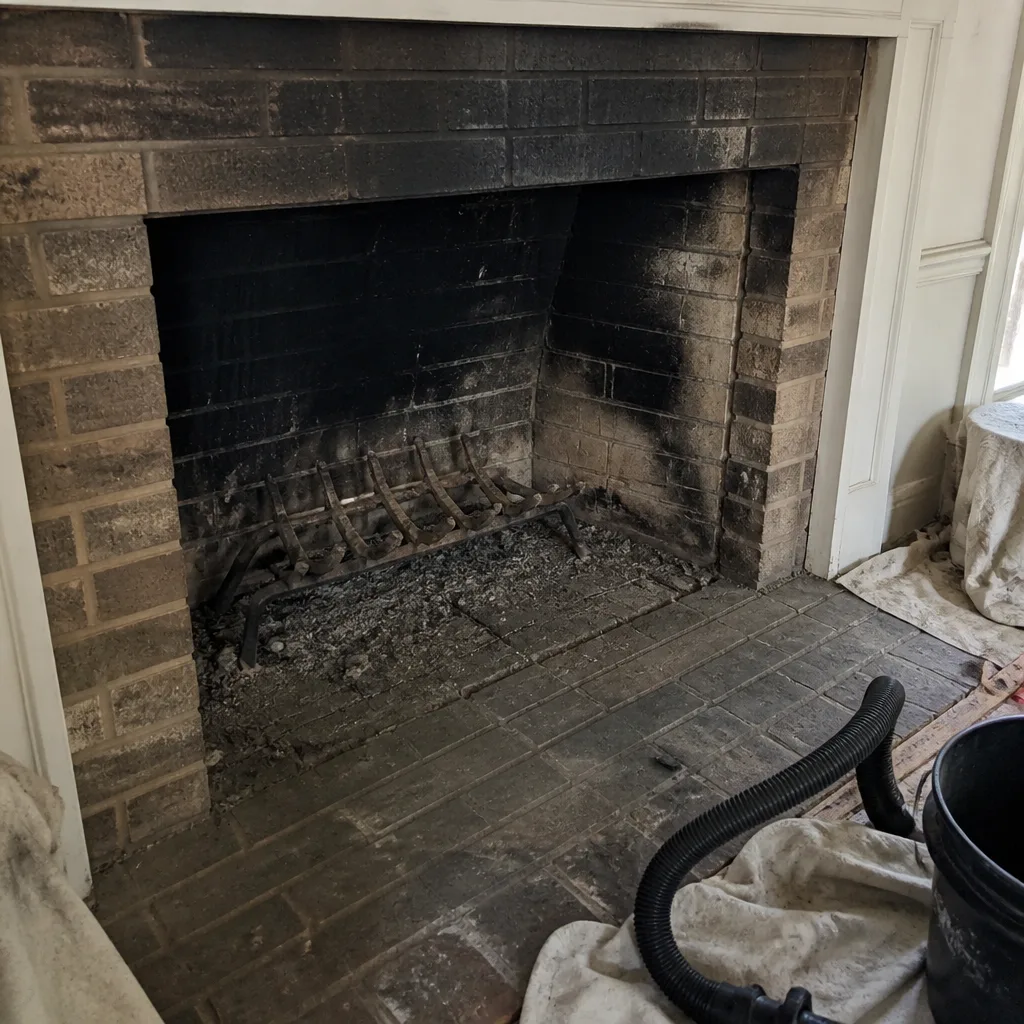 Before
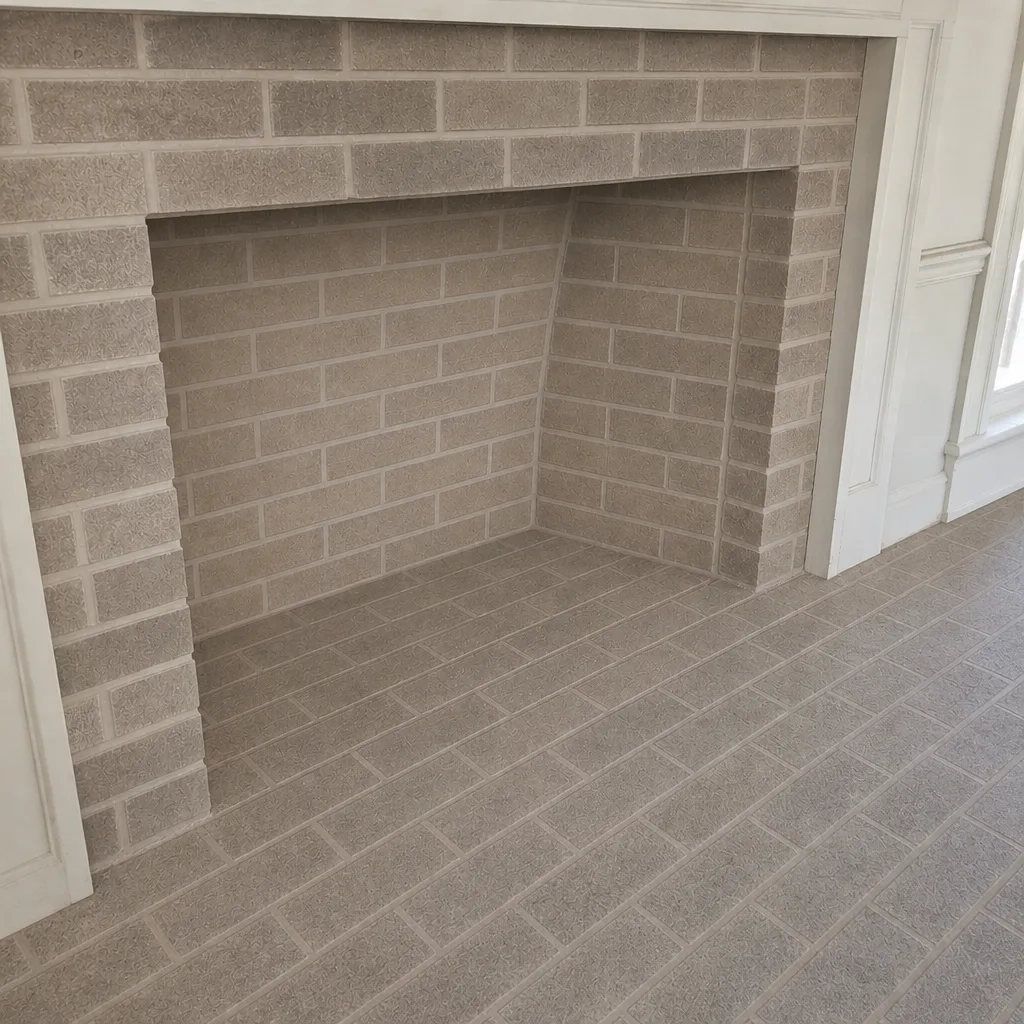 After
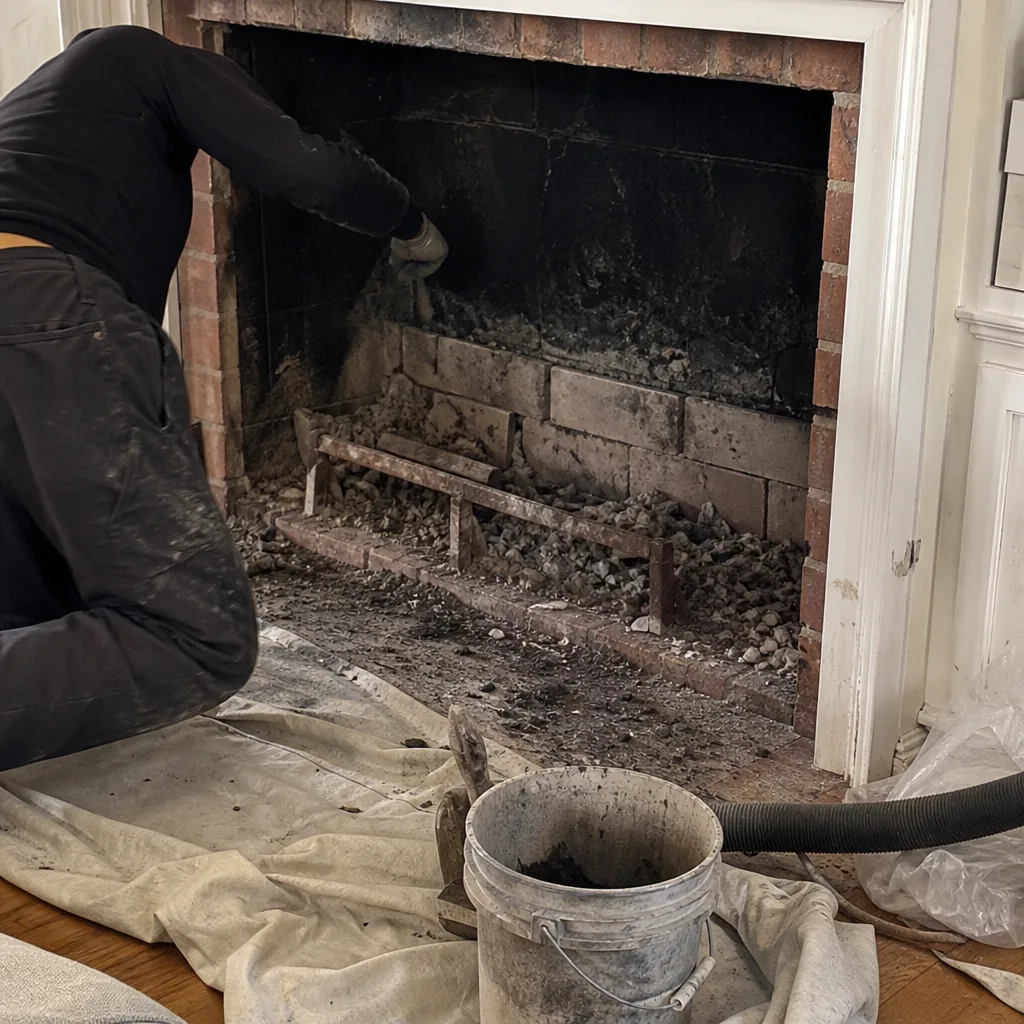 Before
 After
 Before
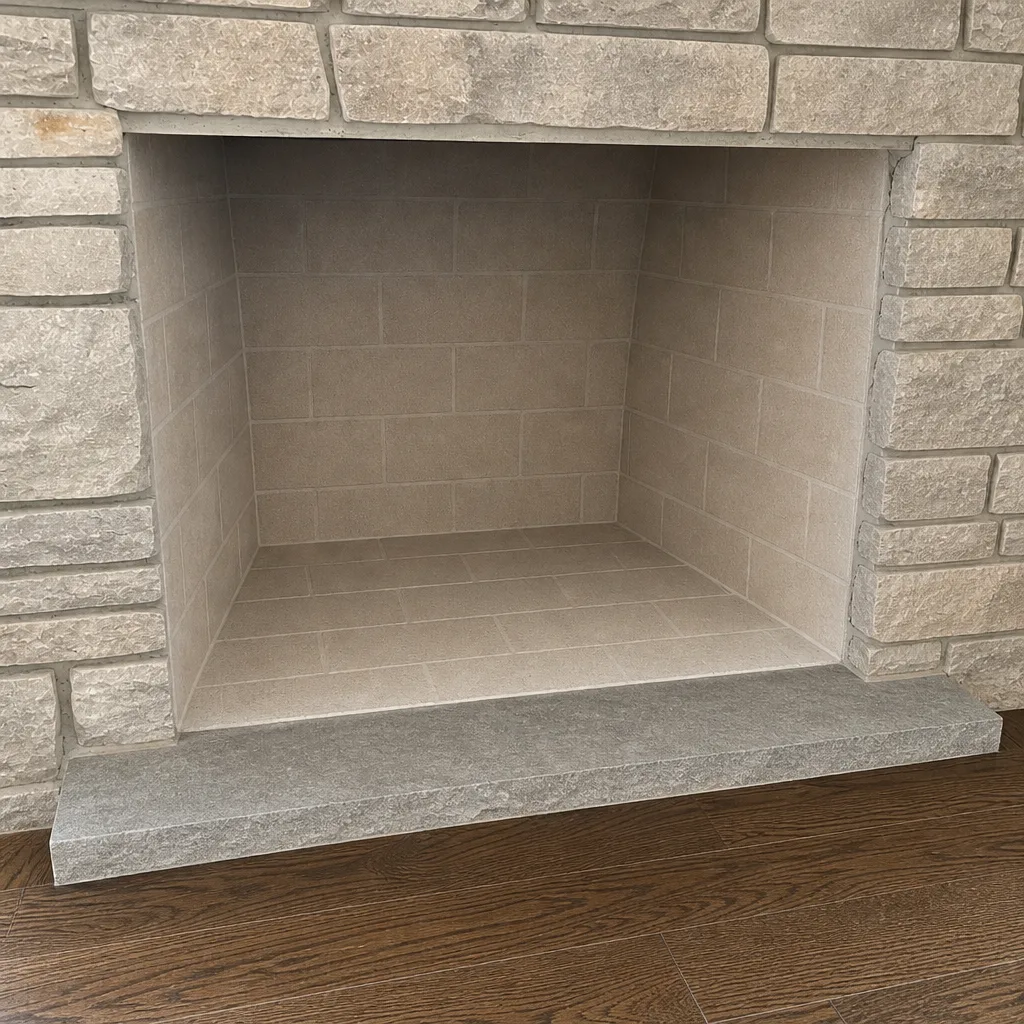 After
When to Call a Professional
Some things are always a professional call. Smoke spilling into the room, a strong gas or smoke smell when the fireplace is idle, visible creosote buildup on the firebox walls, a damaged or missing liner, or a crown that’s clearly cracked all deserve a trained eye. The same goes for anything an insurance adjuster or home inspector has flagged. In this climate, the seasonal cue is late summer: if you haven’t had an inspection since last year, that’s the moment. Chimney Sweep Myers Park offers free estimates in Myers Park. Call (833) 902-6314. We answer 24/7, with fast dispatch from 7am to 7pm, Sunday through Friday.
None of this is a case for pulling the whole chimney down. HeatShield resurfacing can restore failing flue tiles, and a flexible DuraFlex liner can go into an offset flue that would otherwise need a rebuild. The right answer depends on what the inspection finds, and that’s the point of an inspection.
Frequently Asked Questions
Most Myers Park chimneys are fine on one annual service visit, timed to late summer or early fall. Homeowners who burn heavily, have an older unlined flue, or sit under dense tree canopy should consider a spring look on top of the annual visit. The right cadence comes out of an inspection, not a fixed rule. Call (833) 902-6314 for an exact quote. Estimates are free.
Yes, and it’s arguably more important here than in colder regions. Myers Park’s humid summers put months of moisture on mortar, crowns, and seals while the fireplace is idle, and that’s the damage that shows up in fall. A late-summer inspection catches it before the first fire.
It does, and often more than homeowners expect. Pollen, seed pods, and leaf litter pack into cap screens and throat dampers through spring and summer, restricting airflow and causing draft problems when the fireplace season starts. A spring clear-out and a screen check are worth the time.
Creosote builds up in the flue, water entry works on the crown and mortar joints, and a small issue turns into a structural one. In this humid climate, the moisture damage compounds faster than most homeowners realize. The honest answer is that skipping care doesn’t just defer the cost, it tends to grow it.
That’s exactly the point of a spring visit. Freeze-thaw swings crack mortar and crowns through the winter, and the humid season then deepens those cracks. A spring check finds them before the moisture gets months to work. Some findings really can wait. The point is to know which ones can.
They let us restore a deteriorating flue without full demolition. HeatShield is a proprietary resurfacing system for damaged flue tiles, and a DuraFlex flexible stainless liner fits into older or offset flues that would otherwise be hard to reline. Both are established names chimney professionals recognize and specify. Call (833) 902-6314 to talk through what your chimney needs.
The Bottom Line
Myers Park’s climate asks for a different chimney rhythm than the standard advice describes. The biggest stressor is the humid summer, not the deep winter. The heavy tree canopy fills cap screens and throat dampers faster than most neighborhoods. And the right schedule is a single annual visit in late summer or early fall, plus a spring look for the homes that need it. The constant across all four seasons is an honest inspection, and a plan built on what the chimney shows rather than a calendar handed down from somewhere colder. From the firebox to the cap, one specialist can carry the whole system through every season.
To set up your seasonal inspection, call Chimney Sweep Myers Park at (833) 902-6314 for a free estimate. We answer 24/7, with fast dispatch from 7am to 7pm, Sunday through Friday. A clean, sound flue isn’t cosmetic. It’s the difference between a working fireplace and a moisture or fire risk, and the best time to find out is before the season, not during it.
Written by the team at Chimney Sweep Myers Park.