
Last updated November 22, 2026
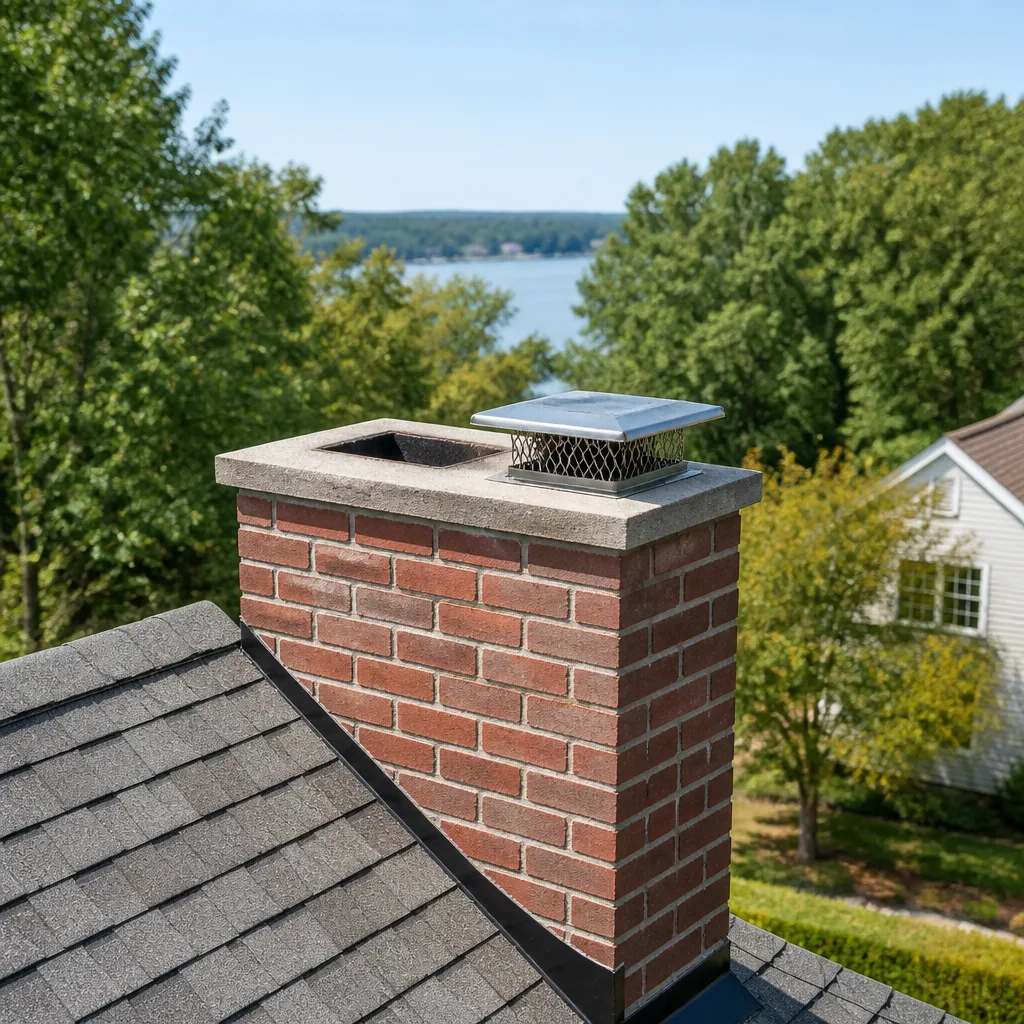 Sweep & inspection
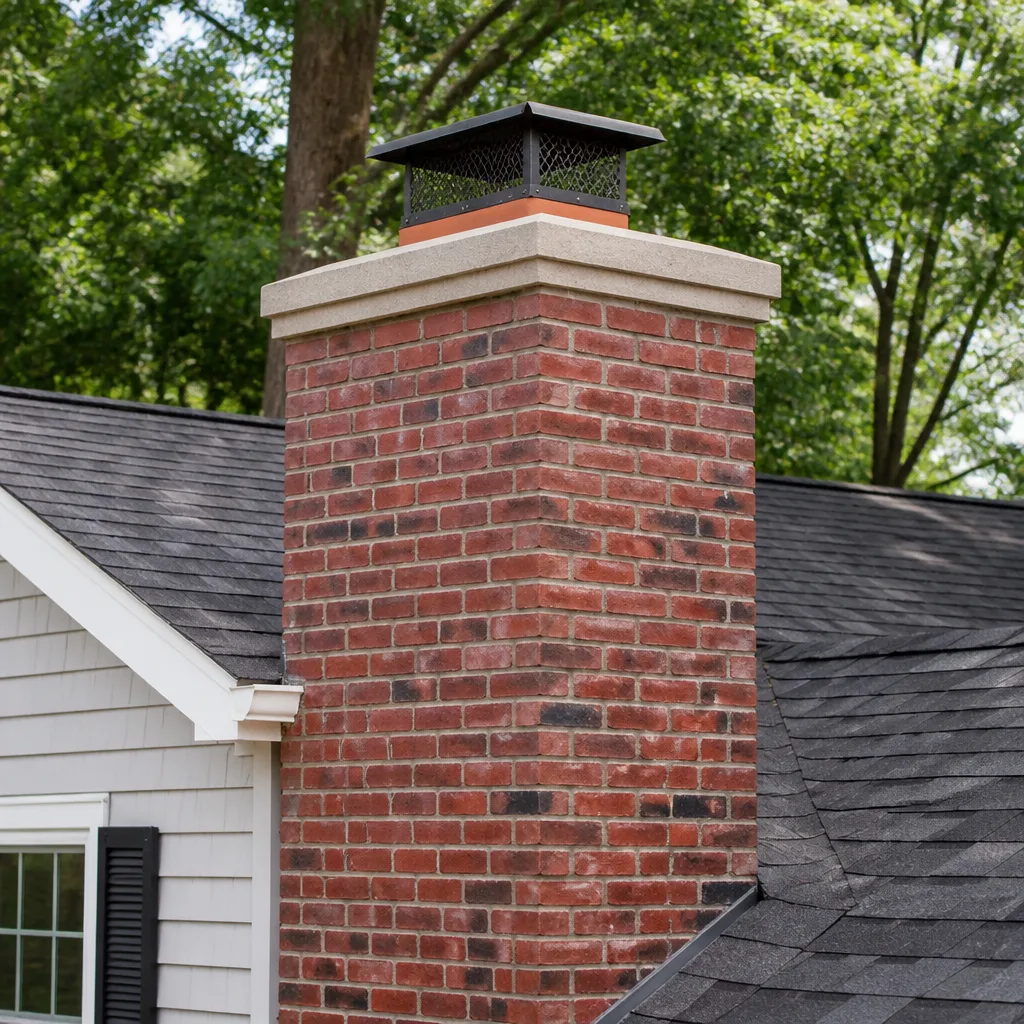 Caps & crowns
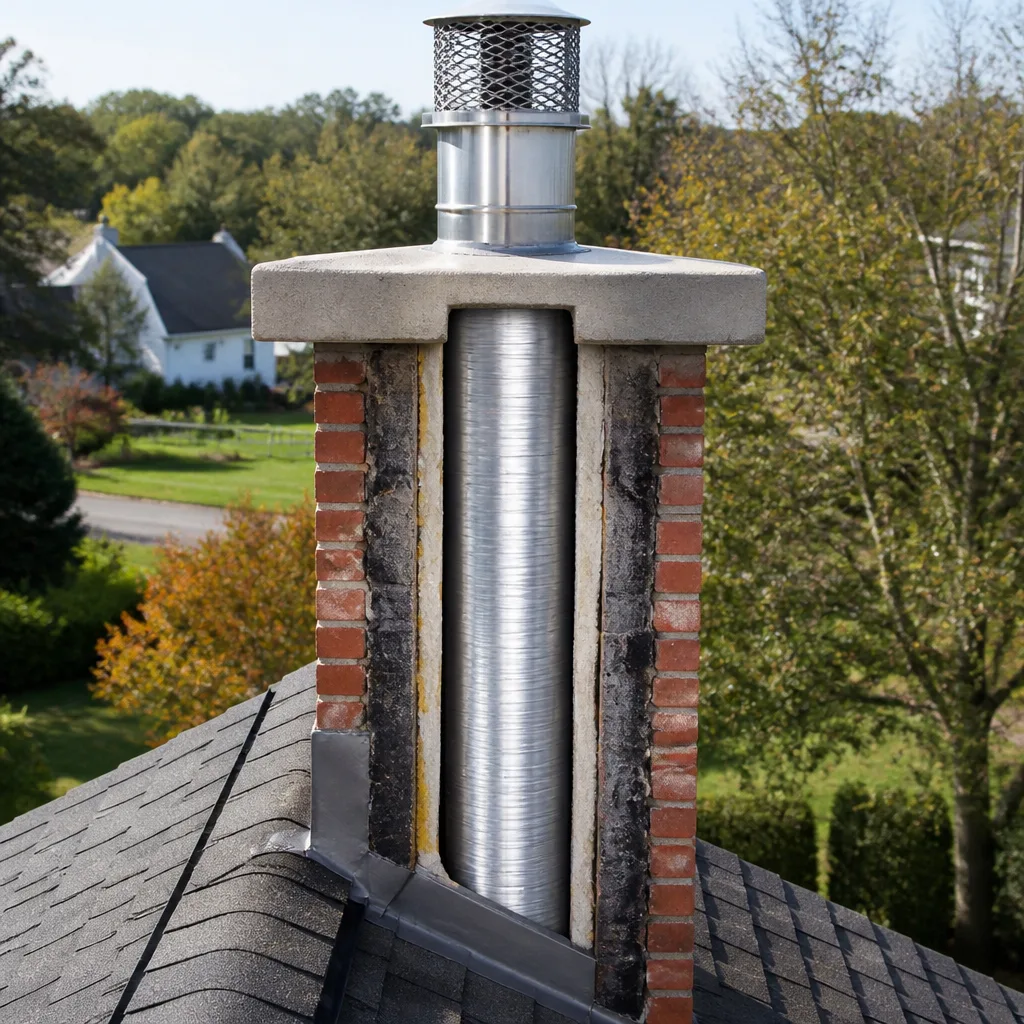 Flue relining
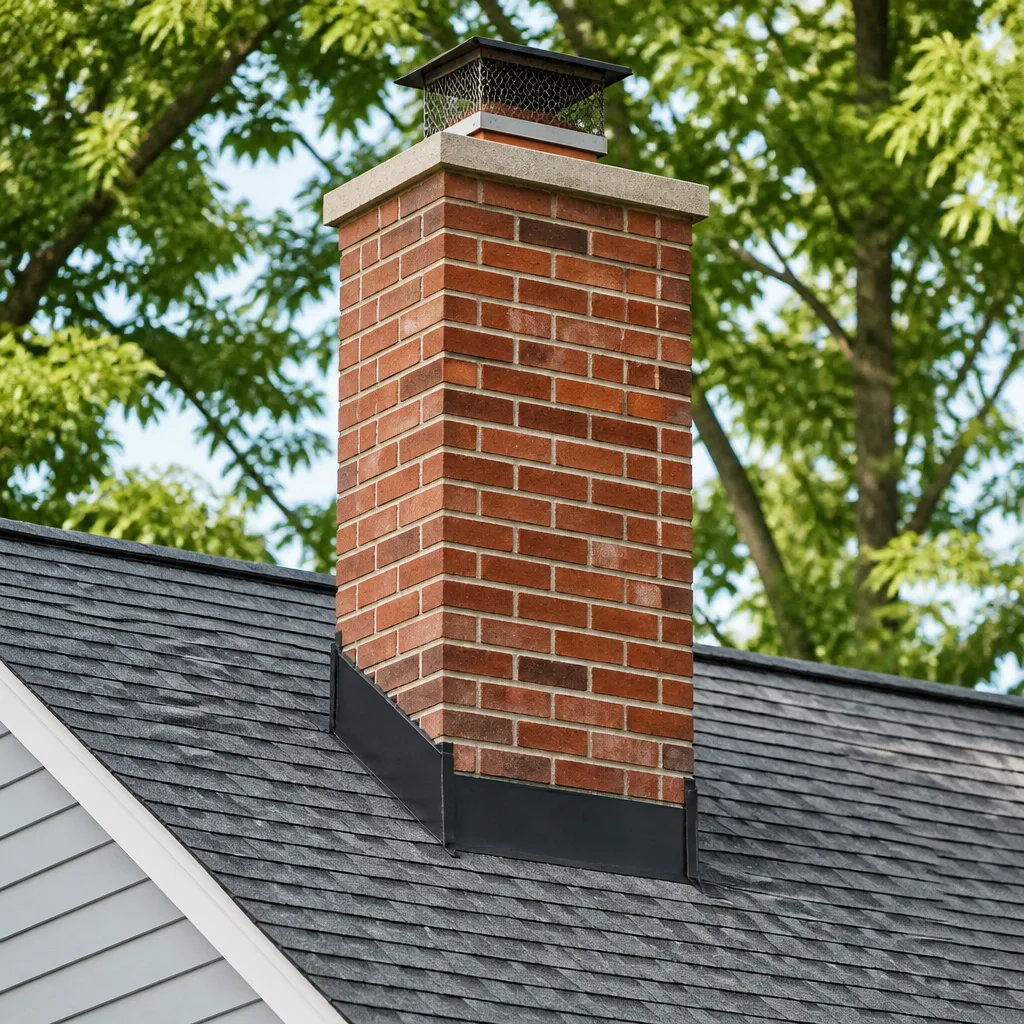 Masonry repair
 Gas fireplace service
Level 1 sweep and inspection to the NFPA 211 annual standard - flue, crown, cap, and flashing checked and photographed
Chimney sweep logs do not sweep chimneys. They loosen some creosote - which then falls where a brush and vacuum still have to collect it.
DIY vs Professional Chimney Cleaning: The Myers Park Homeowner’s Decision Guide
You can buy a chimney brush kit for $40 and physically remove surface soot from your flue. What that kit can’t do is tell you whether the liner behind the soot has a hairline crack, whether the smoke chamber is deteriorating, or whether the dark glaze near the top is third-stage creosote that a brush will slide right over. Those are the conditions that actually start chimney fires. In Myers Park, where a lot of homes have fireplaces that have been burning for decades, the assessment is usually worth more than the scrubbing. This guide walks through what DIY cleaning actually accomplishes, what it misses, and how to decide which route fits your fireplace.
Quick Answer
DIY chimney cleaning removes surface soot and light creosote from an accessible flue, but it cannot diagnose cracked tiles, deteriorated mortar joints, offset flue sections, or third-stage glazed creosote. Professional cleaning pairs rotary tooling with a video inspection and a written assessment, which is the part that catches fire hazards before they become fires. For most Myers Park homeowners with a wood-burning fireplace, the inspection is the higher-value half of the service.
Styles & brands we work with
- Sweep & inspection
- Caps & crowns
- Flue relining
- Masonry repair
- Gas fireplace service
Table of Contents
- What DIY Cleaning Physically Accomplishes
- What DIY Cleaning Can’t See or Assess
- The Tools Professionals Use That Change the Outcome
- Third-Stage Creosote: Why a Brush Won’t Remove It
- Insurance and Liability After a DIY Cleaning
- The Legitimate Case for Homeowner Brush Maintenance
- Why Myers Park Housing Stock Makes This Choice Matter More
- A Decision Framework for Your Fireplace
What DIY Cleaning Physically Accomplishes
A chimney brush on a flexible rod does one job well: it scrapes loose soot and first-degree creosote off the flue walls and drops it into the firebox for collection. If your fireplace has been lightly used and cleaned regularly, that’s not nothing. A brush pass on a straight, accessible flue removes the fluffy, powdery buildup that would otherwise keep accumulating.
Homeowners in Myers Park who burn a few cords per season and sweep every fall often keep their flues in reasonable shape with a brush kit, a shop vac with a HEPA filter, drop cloths, and a dust mask. It’s physical work, it’s messy, and it takes a couple of hours, but the top-down method with a brush and rods is achievable for a reasonably handy homeowner on a simple masonry chimney.
Here’s what DIY cleaning is actually doing at the chemistry level:
- Removing loose soot. The fine, powdery carbon residue that coats flue walls after combustion.
- Knocking down first-degree creosote. The flaky, brittle deposit that brushes off easily.
- Clearing visible blockages. Nests, leaves, and debris near the top of the flue that you can see and reach.
What it is not doing is telling you anything about the condition of the chimney system behind that soot. And in a house built before the 1970s, the condition behind the soot matters a lot.
What DIY Cleaning Can’t See or Assess
This is the crux of the DIY-versus-professional question, and it’s where most online comparisons stop short. The cleaning is the visible half of the service. The assessment is the invisible half, and it’s the half that catches problems before they become fires or carbon monoxide leaks.
When a trained technician sweeps and inspects a Myers Park chimney, the sweep itself is a byproduct of the visit. What comes out of the visit is a judgment about the whole system, from the firebox to the cap. Here’s what a brush kit has no way to evaluate:
- Hairline cracks in clay flue tiles. These open up with heat cycles and let combustion gases escape into the chimney’s exterior structure, and eventually into the house.
- Deteriorated mortar joints between tiles. Soft or missing mortar lets the liner shift and lets gases bypass it.
- Cracked or spalling crown. A failing crown lets water into the chimney structure, which is the leading cause of long-term masonry damage.
- Smoke chamber deterioration. The smoke chamber is the sloped area above the damper, and its parging can erode to the point where it becomes a creosote trap and a fire pathway.
- Offset or misaligned flue sections. Common in older Myers Park homes where additions or fireplace replacements were done over the years. A brush passes through fine; a video scan shows the misalignment.
- Chimney cap and spark arrestor condition. A damaged cap lets water and animals in, and a rusted-out arrestor can obstruct draft.
- Draft performance under load. Whether the chimney actually vents correctly when the fire is hot and the house is under negative pressure.
We’ve seen plenty of Myers Park chimneys where the sweep was routine and the inspection found the real problem. The cleaning wasn’t wasted work. It just wasn’t the work that mattered most.
The Tools Professionals Use That Change the Outcome
The physical difference between a homeowner’s brush kit and a professional sweep is smaller than most people think. The diagnostic difference is enormous. A professional setup includes tools that don’t just clean the flue, they tell the technician what shape it’s in.
Here’s what the tooling brings to the visit:
- Rotary cleaning systems. A motorized rotary head with poly or wire whips reaches into flue offsets, removes glazed deposits that a hand brush slides over, and cleans the smoke chamber that a top-down brush never touches.
- Video scanning. A camera on a flexible rod runs the length of the flue and shows the technician (and you, on the monitor) every joint, every offset, every crack. This is where hairline failures get caught.
- Smoke testing. A smoke test verifies that the flue is sealed and drafting correctly, with no leakage into the chimney structure or the house.
- Creosote classification. The technician grades the deposit on the flue walls as first, second, or third degree, which determines whether chemical treatment, rotary cleaning, or relining is the right next step.
- Combustion appliance checks. Draft gauge readings and a carbon monoxide check around the appliance, the firebox, and the flue termination.
Each of those tools answers a question that a brush alone can’t answer. The rotary head cleans where a brush can’t reach. The camera shows what the eye can’t see. The smoke test proves that what should be sealed actually is. For Myers Park homes with older masonry chimneys, that’s the difference between a swept flue and a known-safe flue.
If you need a full-system assessment before deciding on cleaning, the chimney inspection is the right starting point. It’s a standalone service, meaning you get the honest read on your chimney before committing to any cleaning or repair work.
Third-Stage Creosote: Why a Brush Won’t Remove It
Third-stage creosote is the glazed, hardened, tar-like deposit that forms on flue walls after repeated hot fires with restricted air or unseasoned wood. It’s the most combustible form of creosote, and it’s the condition most homeowners underestimate because it looks like a smooth dark coating rather than a buildup. A hand brush glides right over it.
Here’s the progression, because it helps to know which stage you’re looking at:
- First-degree creosote. Fluffy, flaky, soot-like. Brushes off easily. Forms after light use or a single season.
- Second-degree creosote. Hard, crusty, sometimes shiny. Brushes off with effort and the right tooling. Common in Myers Park fireplaces that see regular winter use.
- Third-degree creosote. Glazed, hardened, tar-like. Brushing removes almost none of it. It concentrates heat against the flue wall when it ignites, which is what does structural damage to the chimney.
Third-stage creosote requires chemical treatment (a creosote converter or sweeping log followed by rotary cleaning) or, in severe cases, relining. A homeowner’s brush kit is not the right tool for it, and a homeowner who assumes the brush “got it all” is working from a dangerous assumption.
This is one of the reasons we work with recognized product lines rather than generic materials. Creosote converters, rotary cleaning compounds, and the liners used when the flue has been compromised by a hot fire all come from established manufacturers for a reason. The materials have documented performance, and the results are predictable. When a Myers Park flue has a severe glazed deposit, the treatment plan is drawn from materials the trade recognizes, not improvised.
Insurance and Liability After a DIY Cleaning
Here’s a question that rarely gets addressed in the DIY-versus-pro debate: what happens to a homeowner’s insurance claim if a chimney fire occurs after a DIY cleaning with no documented inspection? The answer depends on the policy and the adjuster, but the general picture is worth understanding.
Most homeowner policies include language about maintenance and reasonable care. A chimney fire that follows years of no professional inspection, no documented cleaning, and evidence of heavy creosote buildup can be treated as a maintenance failure rather than a covered loss. Some carriers will deny the claim outright. Others will pay but raise the premium or non-renew the policy. Neither outcome is great.
A professional visit produces a documented record: a cleaning report, a written inspection assessment, and photographs of any findings. If a chimney fire happens a year after that documented service, the homeowner has evidence that the chimney was professionally maintained, which puts the claim in a very different posture with the adjuster.
We’re not in the business of predicting what any specific insurer will do. But a documented inspection report is the kind of paper trail that supports a claim, and a bare DIY cleaning with no documentation is not. From the firebox to the cap, the professional visit produces a record of the system’s condition at a point in time, and that’s a genuine asset in a dispute.
The Legitimate Case for Homeowner Brush Maintenance
Between professional visits, there is a real and useful role for homeowner maintenance. It’s just narrower than the DIY advocates suggest. The scope is brushing down light surface soot, keeping the firebox clean, monitoring the firewood, and knowing the signs that something has changed.
Here’s what that maintenance scope looks like in practice:
- Burn dry, seasoned wood. Well-seasoned firewood (dried for at least a year, ideally split and stacked with plenty of air circulation) produces less creosote than green or unseasoned wood. In Myers Park, where the burn season runs shorter than in the mountains, the temptation is to burn whatever’s on hand. Drier wood is the single biggest change most homeowners can make.
- Don’t smolder fires. A hot, bright fire produces less creosote than a slow, smoking, smoldering fire. Restricting the air intake to stretch the burn is the fastest way to glaze the flue.
- Keep the firebox ash level in check. A thin ash bed is fine. A deep one shortens the firebox and can block the damper opening.
- Brush down the visible firebox walls and damper area. This is the DIY part that’s genuinely worth doing between professional sweeps. It reduces soot migration into the house.
- Watch the fire. Crackling, a rumbling sound, a sudden rush of air, or visible sparks coming from the top of the chimney are all signs of a flue fire. If you see them, get out and call the fire department.
What homeowner brush maintenance should not include: pushing a brush through an unfamiliar flue, reaching up into the smoke chamber by hand, using a chimney sweeping log as a substitute for mechanical cleaning, or assuming that a brush pass equals a clean or safe chimney. The brush is a maintenance tool, not a diagnostic one.
We describe the tools in that scope the way a trade specialist would. A fiber or poly brush on flexible rods is fine. A metal brush on a brittle clay flue can scar the tile, and a rotary head in untrained hands can crack a compromised liner. Between professional visits, keep the DIY work to the firebox and the low flue, and let the trained tooling handle the rest.
Why Myers Park Housing Stock Makes This Choice Matter More
Myers Park is one of Charlotte’s oldest planned neighborhoods, and the housing stock reflects it. A lot of the homes date to the early-to-mid twentieth century, which means original masonry fireplaces, clay tile liners, and chimneys that have seen decades of service. Some have been relined. Some haven’t. A few have had fireplaces added, removed, or replaced over the years, and the chimney’s internal geometry doesn’t always match what’s on the outside.
That history creates the conditions where inspection matters most:
- Offset flues. Older construction often has chimneys that migrate or offset as they rise. A brush passes through an offset; a rotary head cleans it; a video scan shows it.
- Deteriorated crowns. Decades of Piedmont heat cycles, summer thunderstorms, and the occasional freeze crack crowns and open up the mortar. Water enters, masonry spalls, and the damage compounds.
- Unlined or single-wythe flues. Some older fireplaces were built without a full liner, or with a clay tile liner that’s been compromised by heat cycles. A visual inspection from the firebox alone won’t catch it.
- Capped or uncapped terminations. A missing or damaged cap lets water and animals into the flue. A proper cap and crown on an older Myers Park chimney is often the highest-value weatherproofing work a homeowner can do.
The local climate adds a wrinkle. Myers Park sees a real burn season from roughly late fall through early spring, and the wood-burning rhythm of a neighborhood with a lot of fireplaces means many chimneys in the area see regular use. The Piedmont’s warm, humid summers don’t add creosote, but they do accelerate masonry deterioration once water gets in. A chimney that was fine five years ago can be showing spalling and joint failure today.
The takeaway for a Myers Park homeowner is that a brush pass on a chimney you don’t have recent information about is a blind procedure. The chimney may brush clean. The problem is that you won’t know what was behind the soot, and in a house that’s been burning for fifty years, “what’s behind the soot” is the question that matters.
If your chimney needs structural work or a damaged crown needs to be rebuilt, the chimney repair service covers the full scope, from minor mortar work up to liner replacement using materials like DuraFlex stainless liners and HeatShield resurfacing for flues that don’t need to come out and be rebuilt. The chimney cap & crown work is part of that, and we treat it as a named service rather than a footnote, because a failed crown is one of the two or three most common sources of long-term chimney damage in this neighborhood.
A Decision Framework for Your Fireplace
If you’re trying to decide whether to DIY or call a professional, work through these questions honestly. Most Myers Park homeowners land on “professional inspection first, then decide” within about two minutes.
- When was the last professional inspection? If it’s been more than a year, or you don’t know, start there. A standalone chimney inspection answers what the brush can’t.
- How heavily do you burn? A few fires a season on dry wood is different from a cord-plus a year on whatever wood is available. The latter wants annual professional cleaning, not just a brush.
- Is the flue lined? An unlined or deteriorated clay flue is a professional matter, regardless of how clean the walls look.
- Have you ever seen glazed or tar-like deposits? If yes, the DIY brush is not the tool. That’s a professional cleaning and possibly a chemical treatment.
- Is there any odor, smoke rollback, or draft problem? These are symptoms that point to the smoke chamber, the flue geometry, or the cap. All professional territory.
- Has anyone told you the chimney needs work? An inspector, an adjuster, a real estate agent, or a previous sweep. Get a second assessment from a specialist before committing to anything expensive.
If the answers point toward professional, that’s the call. If the answers point toward “the chimney is simple, the flue is clean, and it was inspected recently,” then a homeowner brush between visits is a fine plan. In our experience, the second case is less common than the first, especially in the older houses around Myers Park.
Common Mistakes to Avoid
- Assuming a brush pass equals a clean chimney. The brush removes what it can reach. The camera shows what it can’t. Skipping the second half of the visit is the most common mistake we see in Myers Park.
- Using a chimney sweeping log as a substitute for a sweep. These products can loosen some first-degree creosote, but they don’t remove it from the flue, they don’t clean the smoke chamber, and they don’t detect anything. Treat them as a maintenance supplement, not a replacement.
- Ignoring a failed crown. A crack in the crown is small and looks harmless. It’s the source of most of the long-term masonry damage we see in older Myers Park chimneys, because water follows the crack into the structure.
- Burning unseasoned or green wood to stretch the woodpile. It produces more creosote per hour of burn than dry wood, and the glazed deposit it leaves behind is the one that a brush won’t fix.
- Skipping the inspection after a light-use season. A year of low use still involves heat cycles, weather, and pest activity. Annual inspection is the standard, and it’s the visit that catches the problems before they escalate.
- Hiring a generalist for chimney work. A handyman with a brush and no camera isn’t a chimney inspection. Look for a specialist whose scope is chimney and fireplace systems, not general contracting.
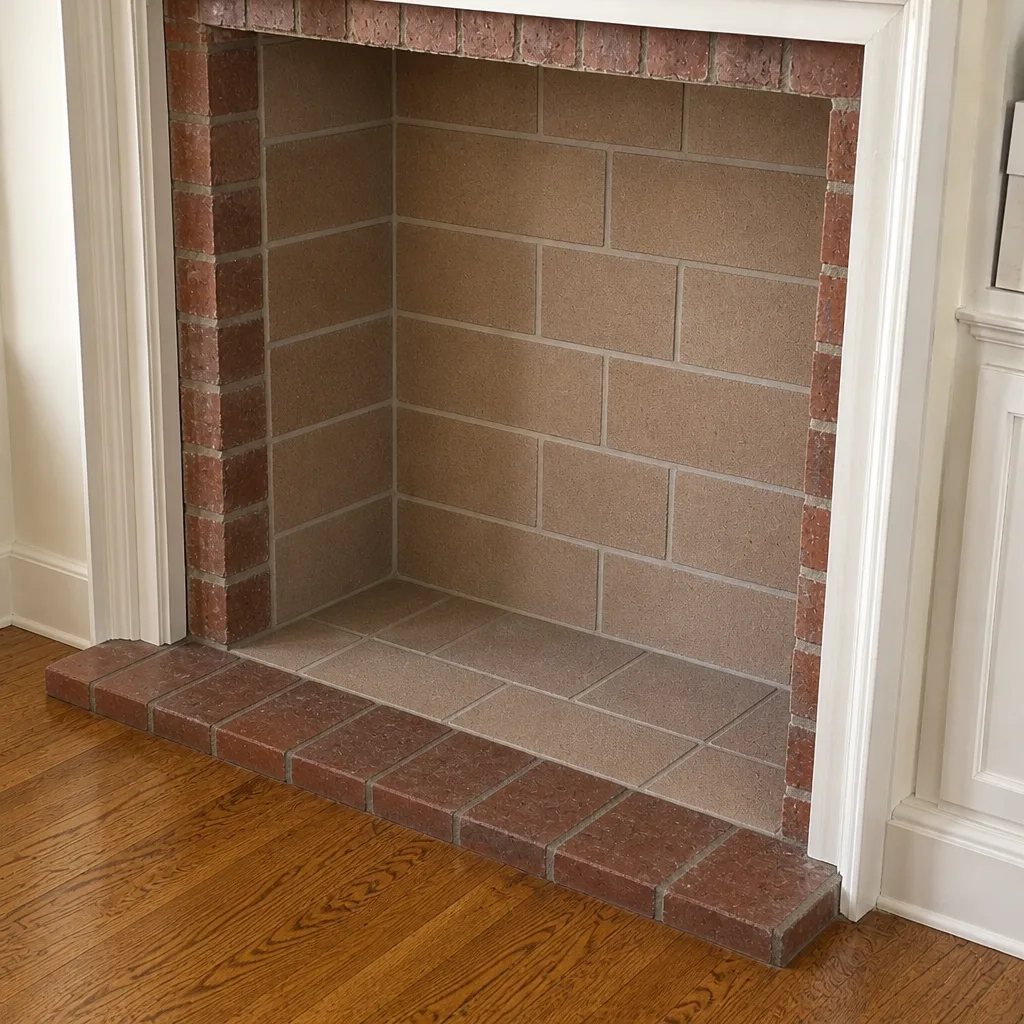
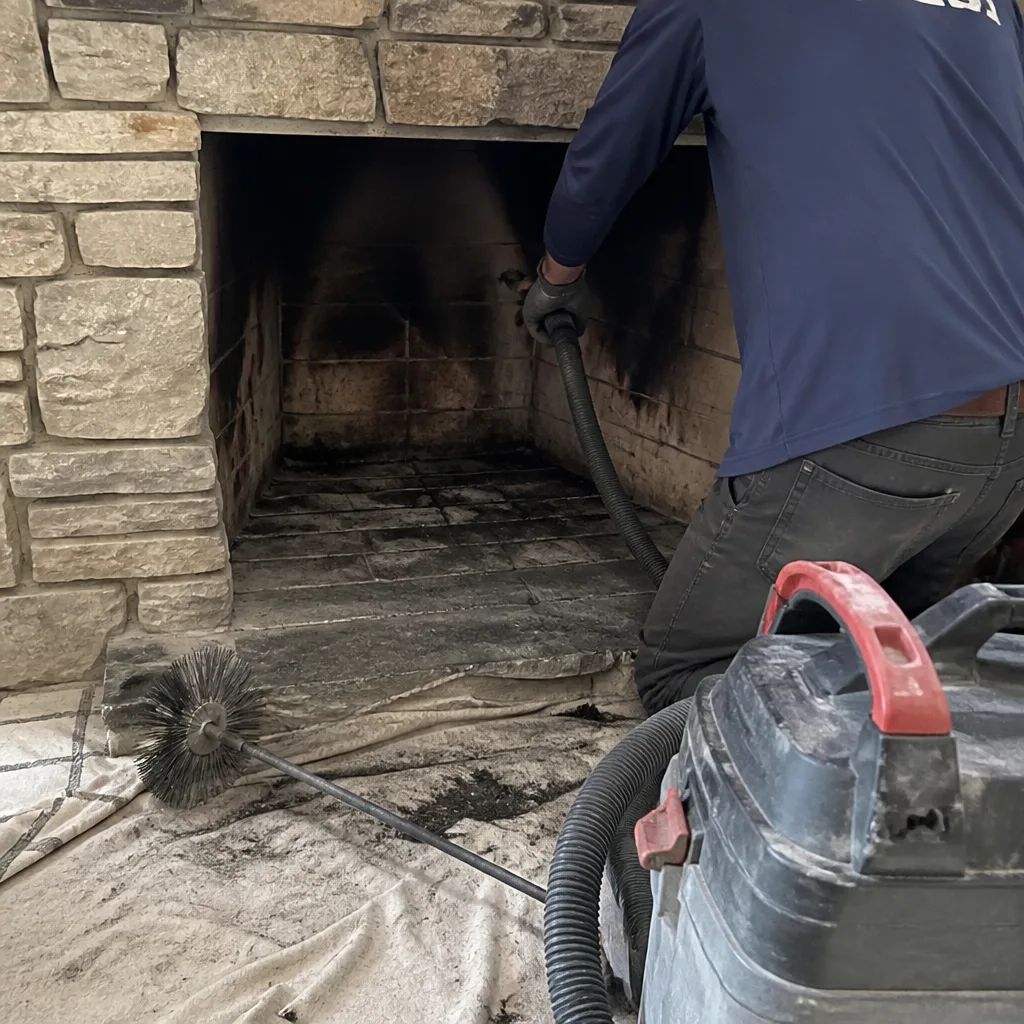
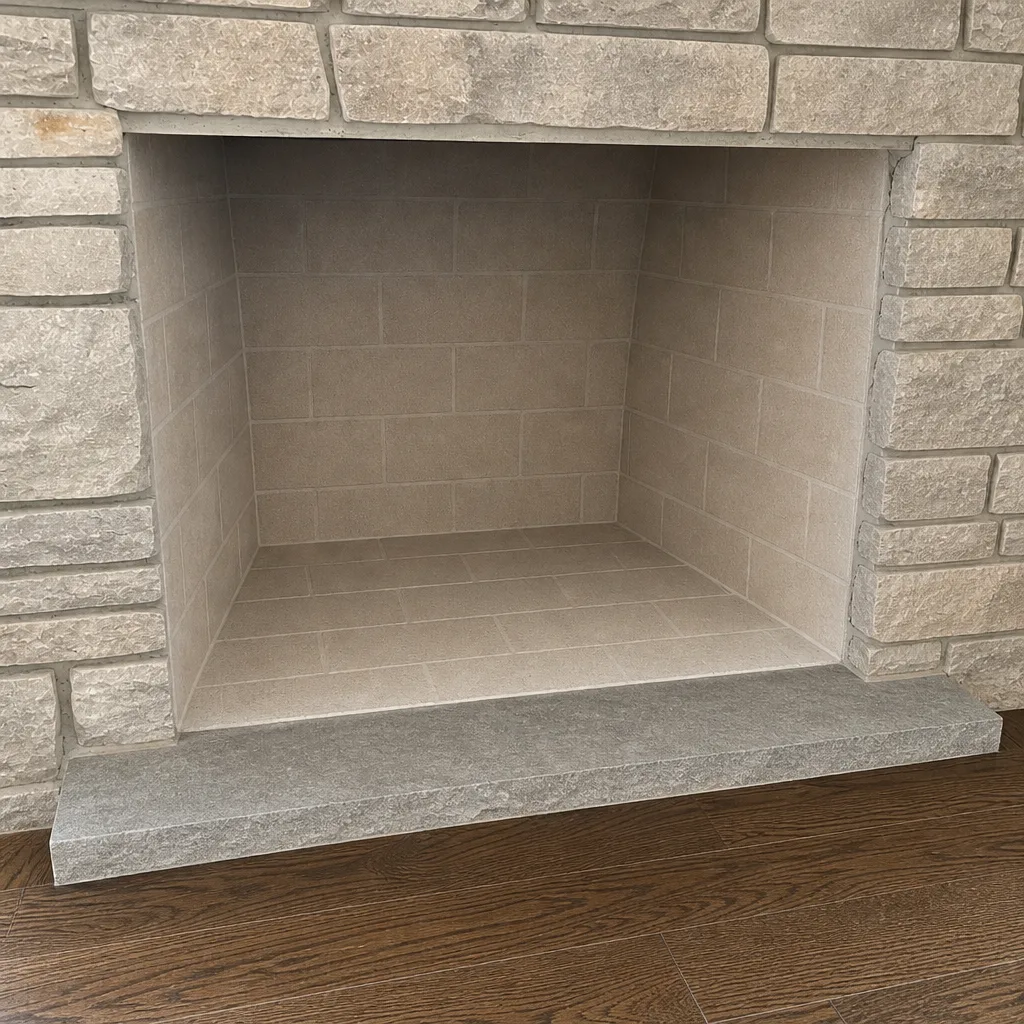
See the difference
 Before
 After
 Before
 After
 Before
 After
When to Call a Professional
Call a professional if any of these apply: the chimney has not been inspected in more than a year, you’ve never had it inspected, you’ve seen glazed or tar-like deposits on the flue, the fire smokes or drafts poorly, there’s a crack in the crown or visible damage to the chimney’s exterior, an inspector or adjuster has flagged the chimney, or you’re buying a Myers Park home with a fireplace and want to know its condition before closing. A professional sweep with a video inspection is the right call in all those cases, and the DIY brush is the wrong tool. Chimney Sweep Myers Park offers free estimates in Myers Park. Call (833) 902-6314. We answer 24/7. Fast dispatch from 7am to 7pm, Sunday through Friday. Estimates are per job by written estimate, so you’ll know what the work costs before it starts.
Frequently Asked Questions
You can physically brush surface soot and light first-degree creosote off an accessible flue, and that’s a legitimate maintenance task between professional visits. What you can’t do is assess the flue lining, smoke chamber, crown, or cap condition, or identify third-stage glazed creosote that a brush won’t remove. Most Myers Park homeowners we work with end up booking the professional visit for the inspection part, not just the cleaning. Call (833) 902-6314 for an exact quote. Estimates are free.
The physical cleaning is broadly similar for light soot. The difference is in the diagnostic tooling: rotary cleaning systems, video scanning, smoke testing, and creosote classification. A professional sweep produces a documented assessment of your chimney’s condition from the firebox to the cap. A DIY sweep produces a cleaner flue with no documentation, and documentation matters if there’s ever an insurance question. Call us for a free estimate if you want the full picture.
No. Third-stage creosote is glazed and hardened onto the flue wall, and a hand brush glides over it. It requires chemical treatment or rotary cleaning, and in some cases relining if the deposit has damaged the flue. This is the condition that produces the hottest chimney fires, and it’s the one most commonly underestimated by homeowners. If you suspect glazed creosote, book a professional cleaning. Call (833) 902-6314 for an exact quote.
It depends on your policy and your adjuster, but a fire following a DIY cleaning with no documented inspection can be treated as a maintenance failure rather than a covered loss. A professional visit produces a written record, photos, and an inspection report that supports a claim. We can’t promise what any specific insurer will do, but the paper trail from a professional inspection is a genuine asset in a dispute.
Annually during the burn season is the standard for a wood-burning fireplace, and more frequently if you burn heavily or burn unseasoned wood. The annual cleaning pairs with an annual inspection, which is the visit that catches liner cracks, crown damage, and creosote staging before they escalate. Call (833) 902-6314 to book yours. Estimates are free.
Yes. We work with DuraFlex stainless liners for offset or older flues, HeatShield for resurfacing deteriorated flue tiles without full demolition, and product lines from Olympia Chimney, Famco, and Copperfield for the components that go into a repair. The materials matter because they carry documented performance and predictable results. A chimney repair that relies on generic components is a repair you’ll be revisiting sooner.
The Bottom Line
The DIY chimney cleaning debate is mostly a conversation about cleaning and barely about assessment. A homeowner can brush soot off a flue. What a homeowner can’t do is inspect the liner with a camera, classify the creosote, smoke test the flue, or produce a documented report of the chimney’s condition. In Myers Park’s older housing stock, that assessment is the higher-value half of the visit, and it’s the half that prevents fires. Use the brush between professional visits for light maintenance, and let a specialist handle the inspection. Book an annual professional cleaning and inspection, and you’ll know exactly what your chimney needs before any repair work begins. Call (833) 902-6314 for a free estimate. We answer 24/7. Fast dispatch from 7am to 7pm, Sunday through Friday.
Written by the team at Chimney Sweep Myers Park.