
Last updated November 22, 2026
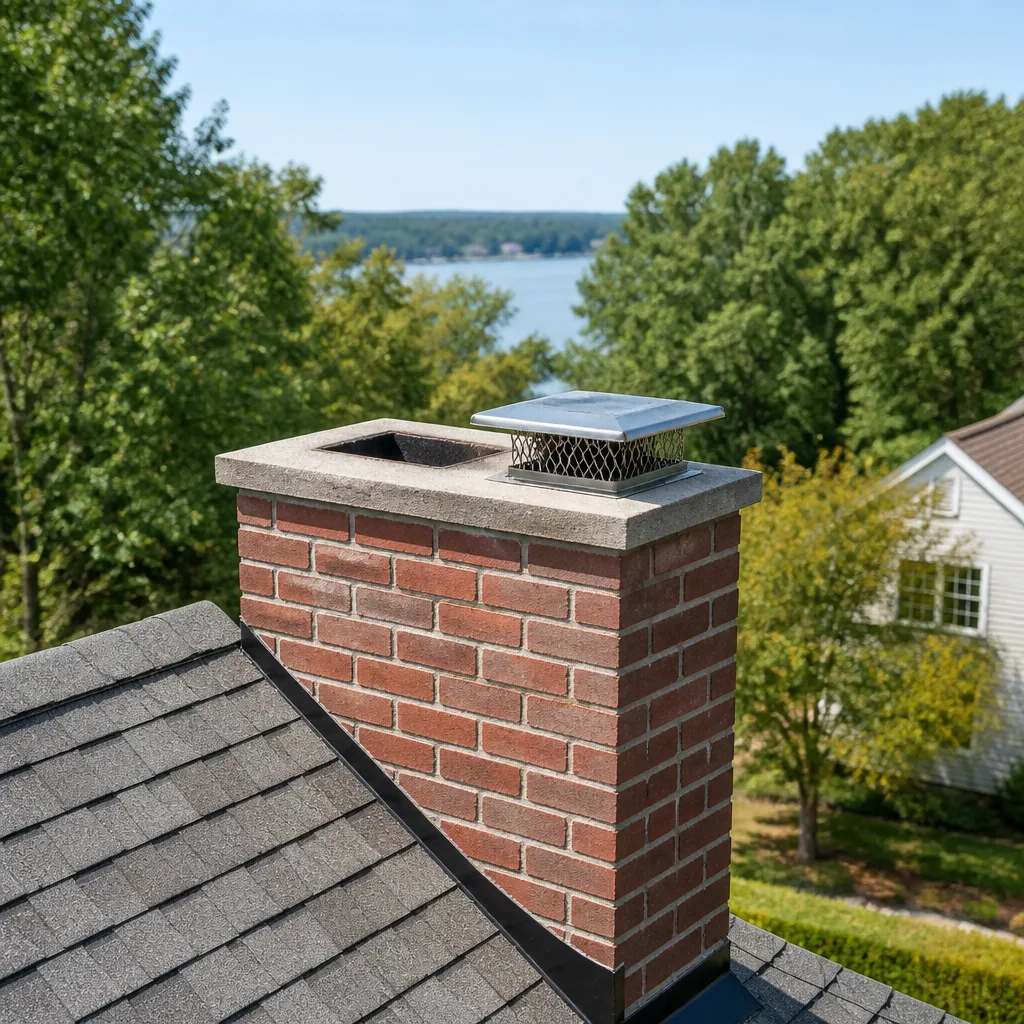 Sweep & inspection
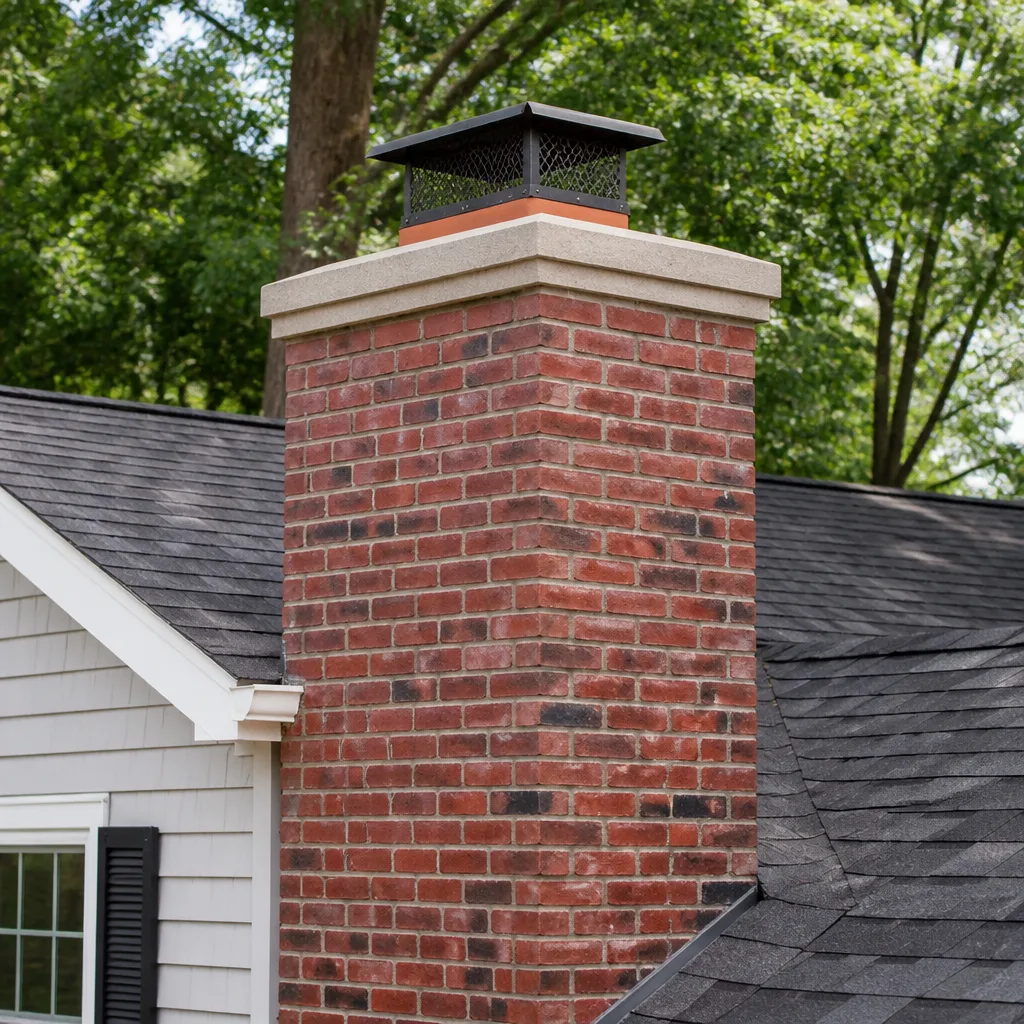 Caps & crowns
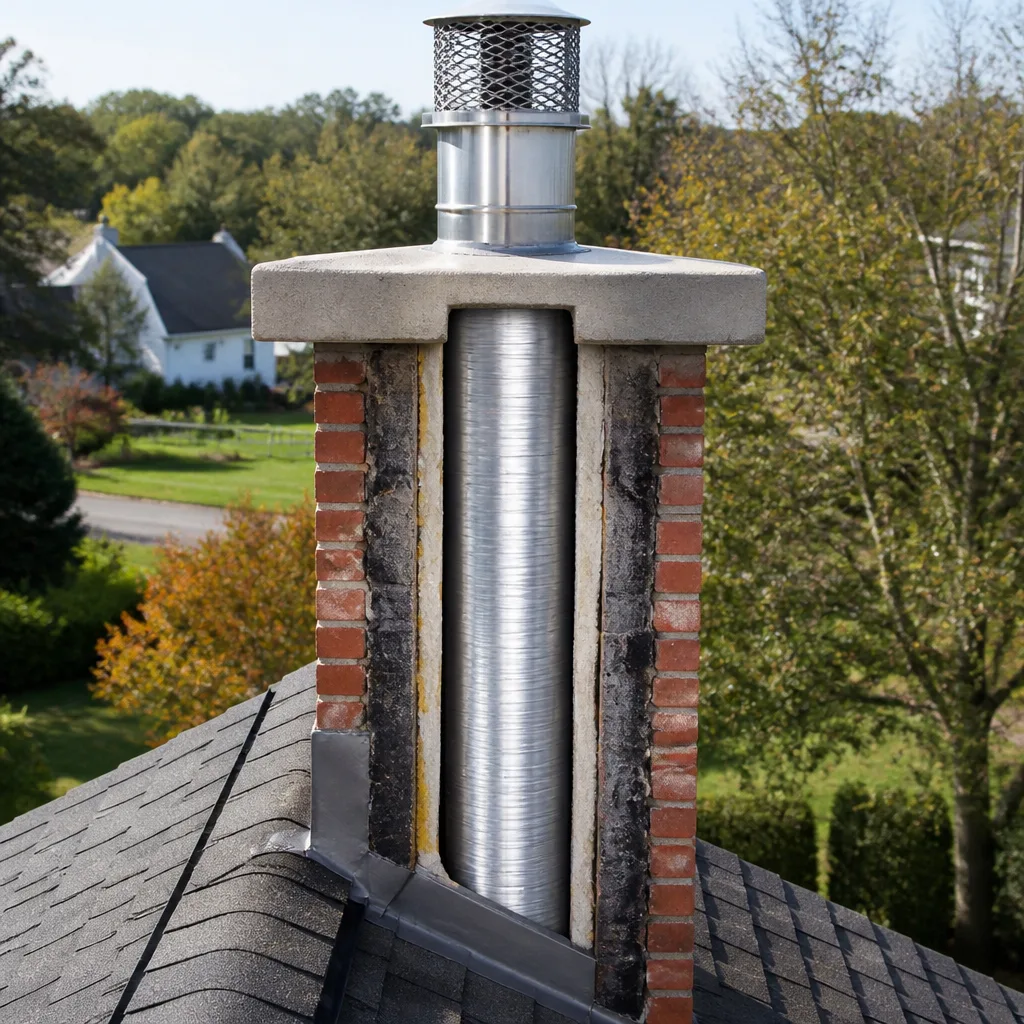 Flue relining
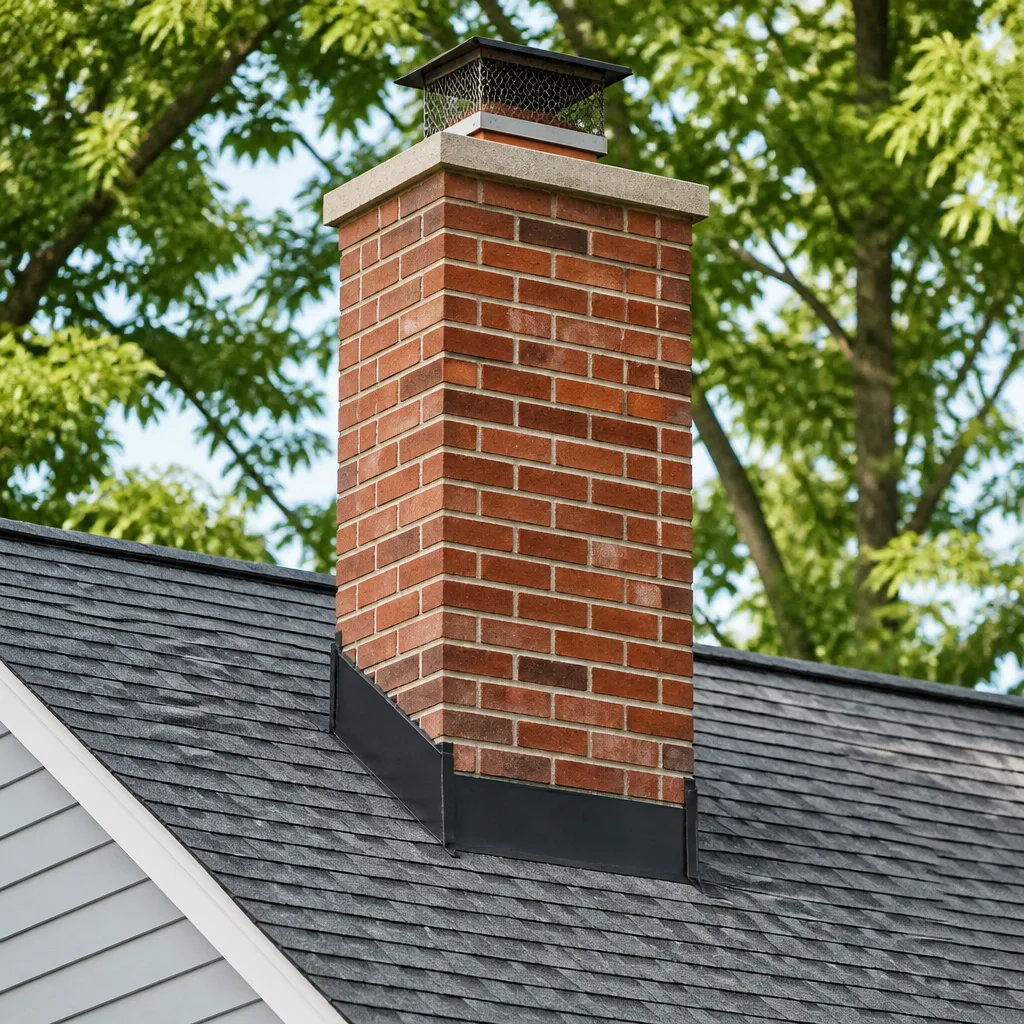 Masonry repair
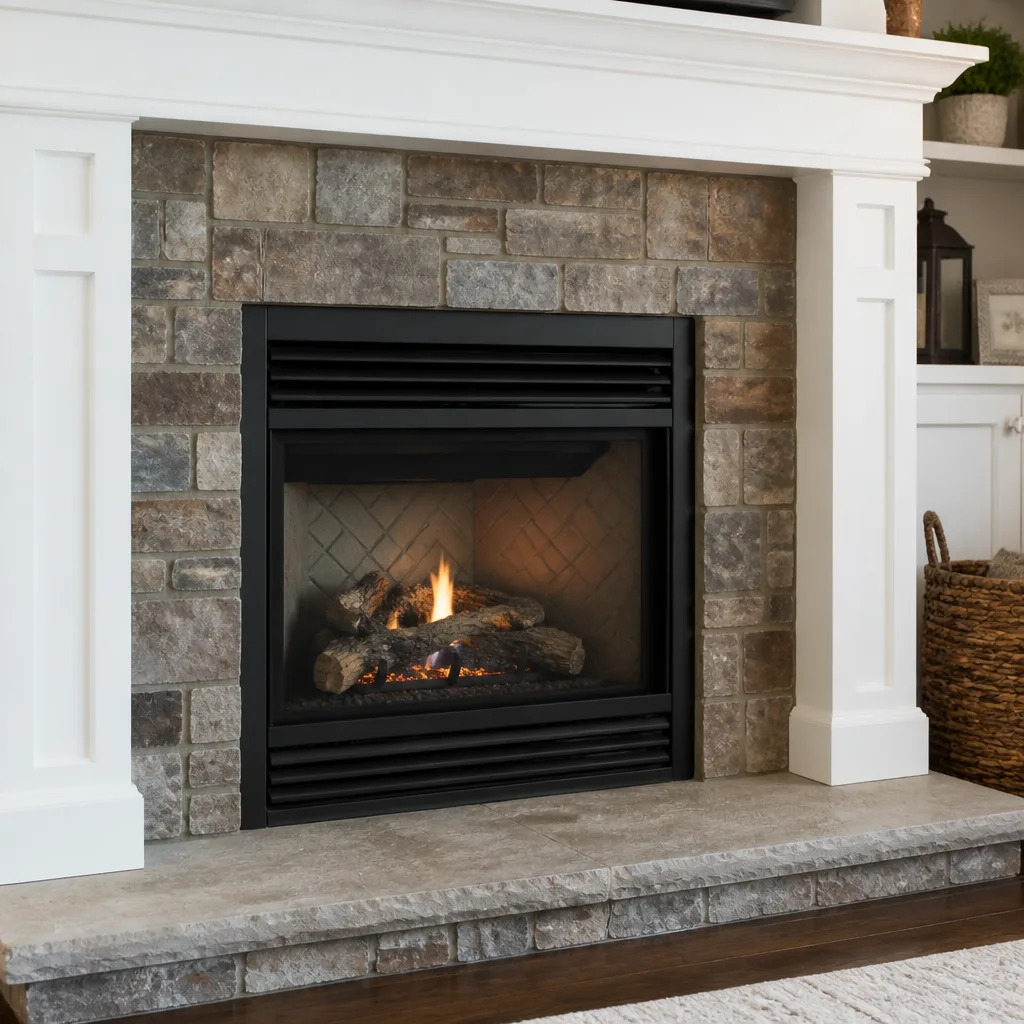 Gas fireplace service
Level 1 sweep and inspection to the NFPA 211 annual standard - flue, crown, cap, and flashing checked and photographed
Chimney sweep logs do not sweep chimneys. They loosen some creosote - which then falls where a brush and vacuum still have to collect it.
How to Hire a Chimney Cleaning Contractor in Myers Park: A Step-by-Step Guide
A CSIA certification tells you a technician passed a test. It doesn’t tell you whether chimney work is 10% or 100% of their business, and that gap matters enormously when you have a liner problem instead of a soot problem. Plenty of outfits in Myers Park advertise chimney sweeping alongside gutter cleaning, pressure washing, and whatever else fills the schedule. The work looks identical on the invoice. It stops looking identical the first time a cracked flue tile needs resurfacing and the person standing in your living room has never heard of HeatShield. This guide walks through how to tell a chimney-only specialist from a generalist with a brush, how to read what a contractor hands you, and what questions cut through the marketing.
Quick Answer
To hire a chimney cleaning contractor in Myers Park, verify three things before you book: that chimney work is the company’s core business rather than a side service, that the price is fixed by a written estimate before any work starts, and that you’ll receive a documented inspection with photos rather than a verbal “you’re all set.” Ask what materials they specify for repairs, ask to see the inspection report format, and ask whether cleaning and inspection are billed as separate services. A specialist answers all three without hesitation.
Styles & brands we work with
- Sweep & inspection
- Caps & crowns
- Flue relining
- Masonry repair
- Gas fireplace service
Table of Contents
- The five questions that separate specialists from generalists
- What trade-grade chimney materials look like versus hardware-store substitutes
- How to read a chimney inspection report
- Red flags in quotes and estimates
- Why Myers Park’s older homes need a contractor who knows old mortar
- A step-by-step hiring process, from first call to signed estimate
- What a proper sweep and inspection actually involves
The Five Questions That Separate Specialists From Generalists
You don’t need to understand chimney construction to evaluate a contractor. You need five questions and attention to how the answers land. A specialist answers them in specifics. A generalist answers them in adjectives.
- “What percentage of your work is chimney and fireplace systems?” A chimney-only company will say all of it. A multi-trade company will pivot to how many services they offer, which is the answer to a different question.
- “Do you do inspections as a standalone service?” This one matters more than it sounds. If an inspection is only ever bundled free with a cleaning, the report is a courtesy, not a document. A specialist sells inspection on its own because the inspection has value on its own.
- “What do you specify for a flue that needs relining?” Listen for product names. DuraFlex for flexible stainless relining, HeatShield for resurfacing damaged clay tiles. If the answer is “we use a stainless liner,” ask which one and why. Vague here means vague everywhere.
- “Will the inspection report include photos, and can I keep a copy?” You should be able to see what the technician saw. Anything less and you’re being asked to trust a conclusion you can’t check.
- “Who does the repair work if something’s found?” One specialist, every stage, or a handoff to a mason you’ve never met? The handoff isn’t automatically bad, but you deserve to know before you sign.
Ask these before you schedule. A company that answers well on the phone usually answers well on the job. In our experience, the questions take five minutes and save homeowners weeks of confusion.
What Trade-Grade Chimney Materials Look Like Versus Hardware-Store Substitutes
You can’t inspect a liner installation from your couch, but you can ask what’s going in your chimney and listen for brand names chimney professionals recognize. The difference between a proper reline and a cheap patch isn’t visible on day one. It shows up seasons later, when flue gases have had time to work on whatever was installed.
Materials a chimney specialist specifies
- DuraFlex for flexible stainless steel relining, which matters on older or offset flues where a rigid liner won’t make the bends.
- HeatShield for resurfacing deteriorated clay flue tiles, restoring the flue without tearing out and rebuilding the chimney.
- Famco and Copperfield components for caps, dampers, and related system parts, rather than unbranded substitutes scrounged from a shelf.
- Gelco and Olympia Chimney products where the job calls for them, chosen to fit the flue rather than whatever was on sale.
What generic sounds like
“We’ll put in a liner” and “we use high-quality materials” tell you nothing. Neither does a quote that lists a lump-sum line item with no product named. You don’t need to become an expert in flue liners to ask a fair question: which product, and why that one for my chimney? A specialist has a real answer because they’ve made the choice before.
Chimney caps and crowns are a good test case. These are weatherproofing, and weatherproofing fails first at the top. When a company treats cap and crown as a named service rather than an upsell footnote, it usually means they’ve spent enough time on roofs to know what water does to a chimney over years. Ask whether caps and crowns are part of their regular work or a “we can also do that” item.
How to Read a Chimney Inspection Report
A chimney inspection report is either a document you can act on or a form with checkboxes. The difference is whether it tells you the condition of specific components and what, if anything, needs doing about each one.
What a useful report contains
- Component-by-component findings: firebox, damper, flue, crown, cap, and exterior masonry each assessed separately.
- Photos or camera evidence: the inside of the flue is not something you can eyeball from the hearth, so the report should show it.
- Clear condition language: “moderate spalling on the crown, monitor and repair within a year or two” is useful. “Chimney needs work” is not.
- A named recommendation and a price: if work is recommended, the report should say what, why, and what it costs.
- A stated inspection level: routine annual checks, a more thorough assessment tied to a real estate transaction, and diagnostic inspection for a known problem are different scopes, and you should know which one you got.
Watch for vague language that hides scope
“Significant deterioration” without photos, “recommend full rebuild” with no line items, or a report that suddenly lists five repairs with one lump price. None of that is proof of anything dishonest. All of it is proof you can’t verify the recommendation, which means you can’t make a real decision. Anything that shows up in an inspection should come with evidence you can see.
Red Flags in Quotes and Estimates
The most common red flag isn’t an outrageous price. It’s a quote you can’t read. Here’s what to look for before you sign anything.
- “Inspection included with cleaning” and nothing in writing. A free peek with no documentation is worth what you paid. If the technician tells you there’s a problem and hands you no photos, ask for them or don’t book the repair.
- No line items. A single number for “chimney work” hides what’s actually being done. You want the sweep, the inspection, the cap, the reline, each broken out.
- Brand names missing from the materials list. If the repair involves a liner or resurfacing, the product should be named in the estimate. “Stainless liner” alone is a category, not a specification.
- Urgency with no evidence. A safe chimney that can wait a season shouldn’t be sold as an emergency. Ask directly: what happens if I do this in six months instead? A specialist will answer honestly, including when the answer is “that’s fine.”
- Repairs quoted before any inspection happened. You can’t price a reline over the phone without knowing the flue’s condition and geometry. Anyone who does is guessing.
- No written estimate at all. The price should be agreed before booking and confirmed in writing. Anything else is a surprise waiting to happen.
A cavity in the quote is a cavity in the job. The written estimate sets the final price; everything before it should set your expectations.
Why Myers Park’s Older Homes Need a Contractor Who Knows Old Mortar
Myers Park has a deep stock of established houses, many with chimneys built decades ago using mortar compositions and masonry practices that differ from what goes into a new build today. That’s not a problem in itself. It becomes a problem when a repair is made with modern materials that don’t move the same way or bond the same way as the original masonry. The wrong mortar on an older chimney doesn’t fail immediately. It fails slowly, and often at the joint.
What this means for hiring:
- Ask whether they’ve worked on older masonry in Myers Park. Not a story about a specific house, just a straightforward yes and what it involved.
- Listen for how they talk about repointing. A contractor who understands older mortar will talk about matching composition to the existing masonry, not just “we’ll repoint it.”
- Ask how they handle a crown that’s cracked but not collapsed. On an older chimney, a rebuild is sometimes unnecessary where a proper repair would hold, and a specialist should be willing to say so.
- Find out whether resurfacing is in their repertoire. HeatShield application can restore a damaged clay flue without demolition, which is often the more sensible route on a house you want to preserve rather than gut.
If you’re dealing with an older fireplace insert or a flue with an offset, ask about flexible relining specifically. A straight-shot liner won’t fit a chimney with bends, and a DuraFlex install is the kind of thing a chimney-only contractor does routinely. You can read more about scheduling a chimney sweep for an older home, or about fireplace repair when the firebox itself needs attention.
A Step-by-Step Hiring Process, From First Call to Signed Estimate
Here’s the sequence we’d suggest to any Myers Park homeowner, whether this is your first sweep or your tenth.
- Confirm the company is chimney-focused. Check the service list. If chimney work is one of twenty things, that’s your answer. A specialist’s page names chimney services, and only chimney services.
- Ask the five questions above on the phone. You’re evaluating answers, not spending money. If the person on the line can’t answer them, that’s a signal.
- Book the sweep and a separate inspection. Confirm the inspection is a documented service, not a peek. Ask what report you’ll receive and whether it includes photos.
- Get the estimate in writing before any repair work is booked. The sweep and inspection come first. Repairs come after, priced individually and agreed before you commit.
- Review the inspection report with the technician. Look at the photos. Ask what can safely wait. A contractor with integrity will tell you when work isn’t urgent.
- Confirm the materials being specified for any repair: DuraFlex for relining, HeatShield for resurfacing, Famco or Copperfield for caps and related components. Get the brand named in the written estimate.
- Book the repair, or don’t. You’re allowed to do the sweep, take the report, and come back to the repair next season if that’s what the evidence says is reasonable. No one should pressure that decision.
That last step is the one homeowners skip most often. Getting an honest assessment before committing to a big repair is the entire point of a standalone inspection. It’s a service, not a sales pitch. Our technicians have up to 15 years of experience, and in that time the value of a documented inspection has never been in question.
Why the order matters
Doing the sweep and inspection first, and pricing repairs after, prevents the most common bad outcome: a homeowner agreeing to work before anyone has looked closely at the flue. It also gives you a baseline. If the next sweep happens two seasons from now, you’ll know what was found the first time and whether anything changed.
What a Proper Sweep and Inspection Actually Involves
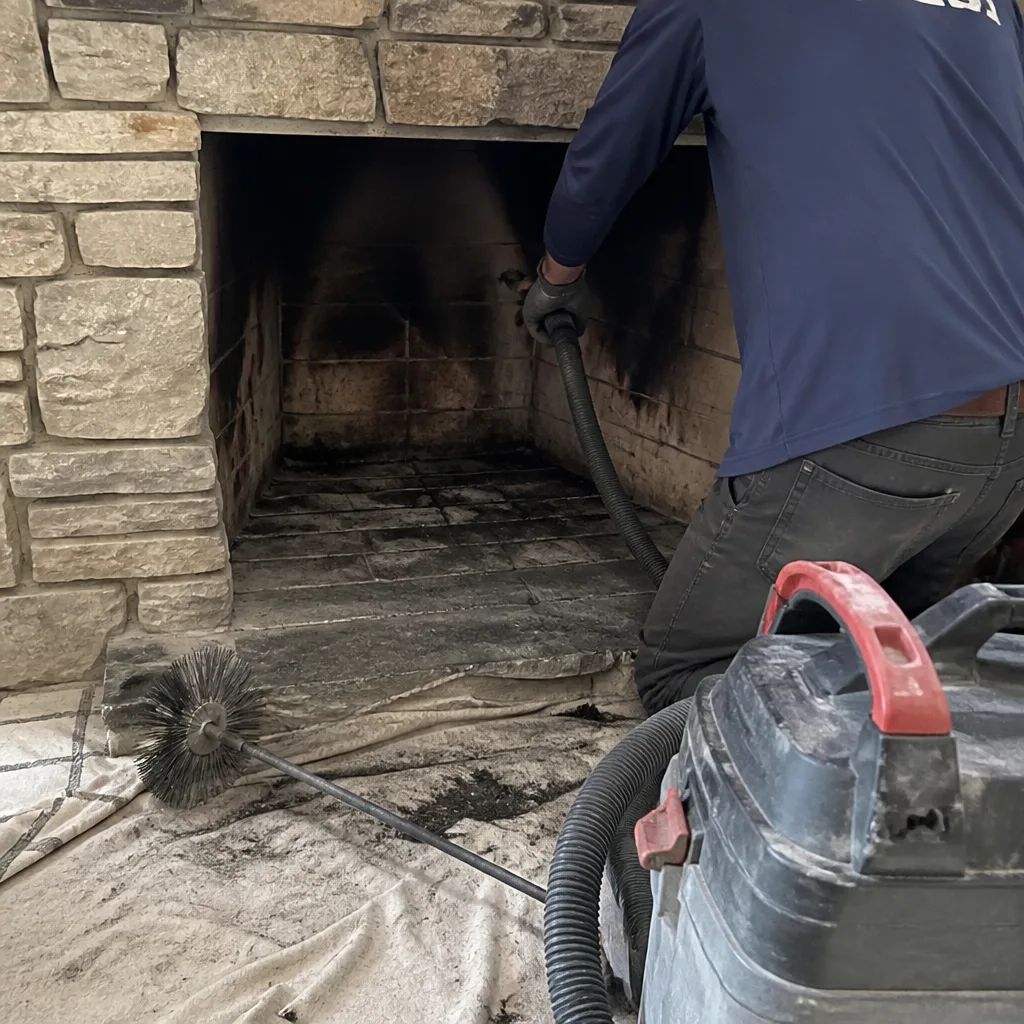
A chimney sweep isn’t just a brush on a pole. Done properly, it’s a controlled process with a clear before and after, and it produces information you can use.
The sweep
- Protection first. Drop cloths and a sealed work area so soot and dust stay out of your living space.
- Mechanical cleaning of the flue. The right tools for the flue type, not a one-size brush forced into the wrong chimney.
- Removal of creosote and debris. Creosote buildup is the fuel for a chimney fire, and it’s the reason cleaning isn’t cosmetic.
- Mess contained, not distributed. A chimney-only company has done this enough to know where the dust goes if you’re not careful.
The inspection
- Visual assessment of the accessible interior: firebox, damper, flue, and any visible components.
- Camera inspection of the flue where the scope calls for it, so the inside is evaluated rather than assumed.
- Exterior check: cap, crown, masonry, and flashing, which is where weather intrusion usually starts.
- A written report with photos and named findings so you can make decisions from evidence, not guesses.
If a fireplace hasn’t been used in a while, or a home has changed hands and you have no service history, the inspection is where to start. Know exactly what your chimney needs before any work begins. You can find the full scope of what we offer through Chimney Sweep Myers Park, including cap and crown weatherproofing that closes off the most common water entry points.
Common Mistakes to Avoid
- Booking the cheapest sweep-only call and assuming the inspection happened. If no report was produced, no inspection happened, whatever the invoice says. In Myers Park’s older housing stock, the flue inside is exactly what you can’t evaluate from the outside.
- Letting a repair get scheduled before the inspection report is in hand. You should be able to see the evidence before you agree to any work. Otherwise you’re agreeing to a recommendation you have no way to verify.
- Accepting “we’ll put in a stainless liner” without a product name. DuraFlex, HeatShield, and the rest exist for a reason. The brand should be on the written estimate.
- Skipping the exterior. A crown cracked from years of freeze-thaw cycles is a quiet, common failure point on older Myers Park chimneys. If nobody climbed up to look at it, you don’t know its condition.
- Confusing a general contractor with a chimney specialist. A company that lists gutters, painting, and chimney sweeping is not the one you want diagnosing a flue. Depth of expertise is the differentiator, not the length of the service list.
- Assuming the biggest repair is the right repair. A rebuild quoted where resurfacing would work is a sign the contractor doesn’t offer resurfacing. That’s the gap between specialists and generalists, and it costs thousands.
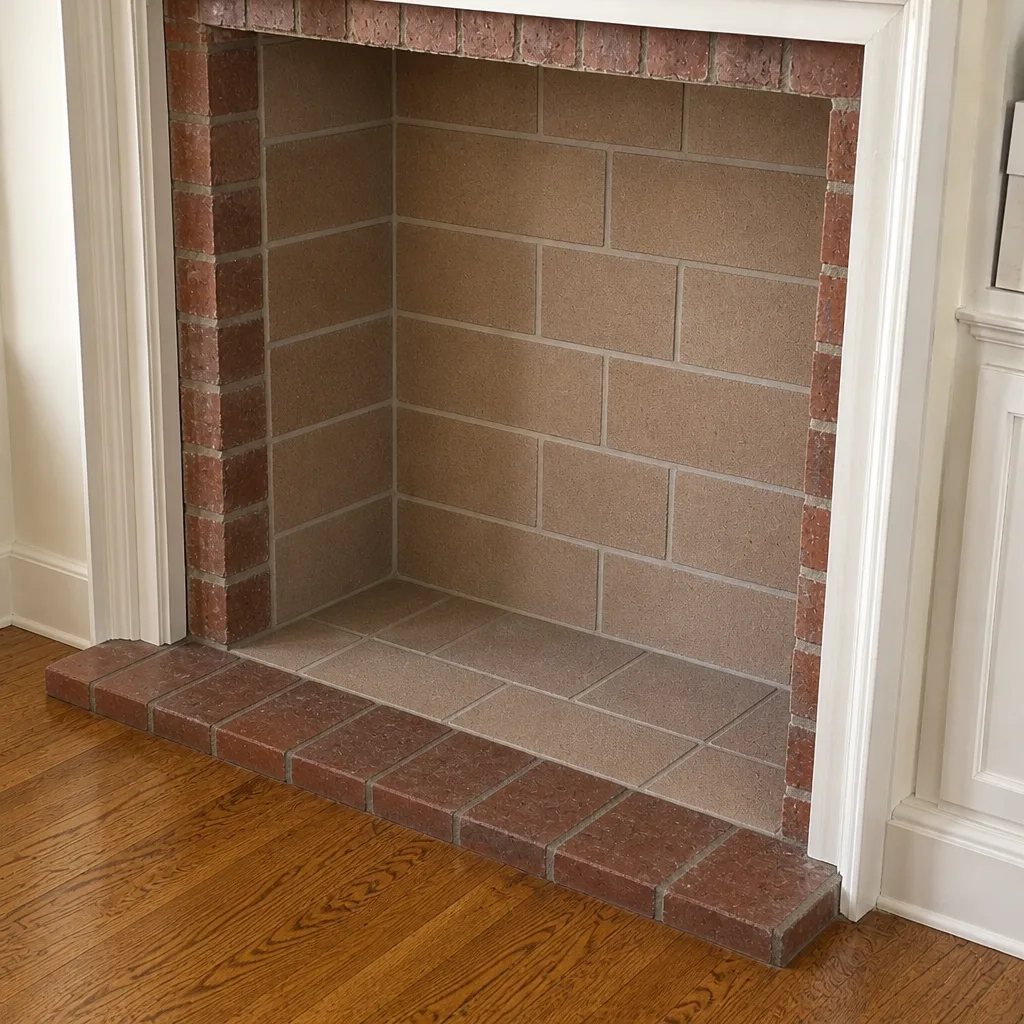
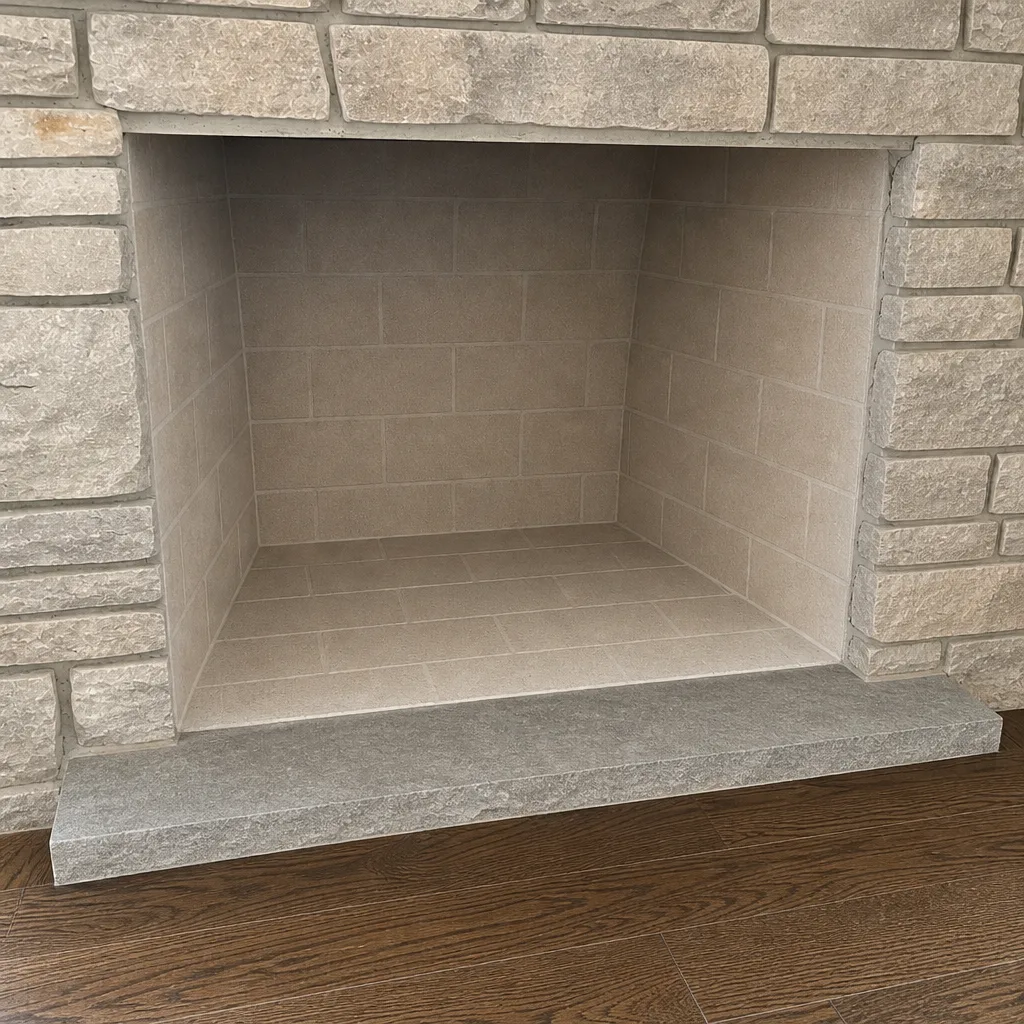
See the difference
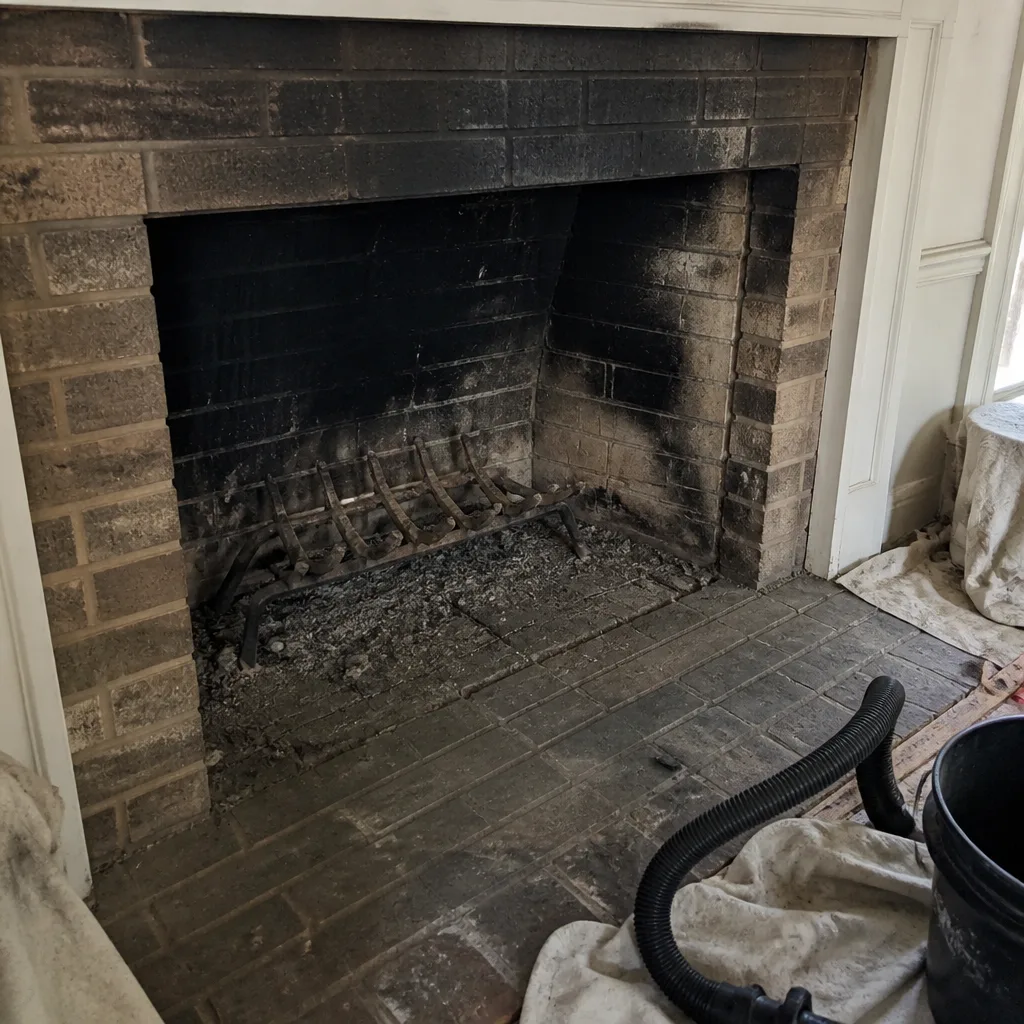 Before
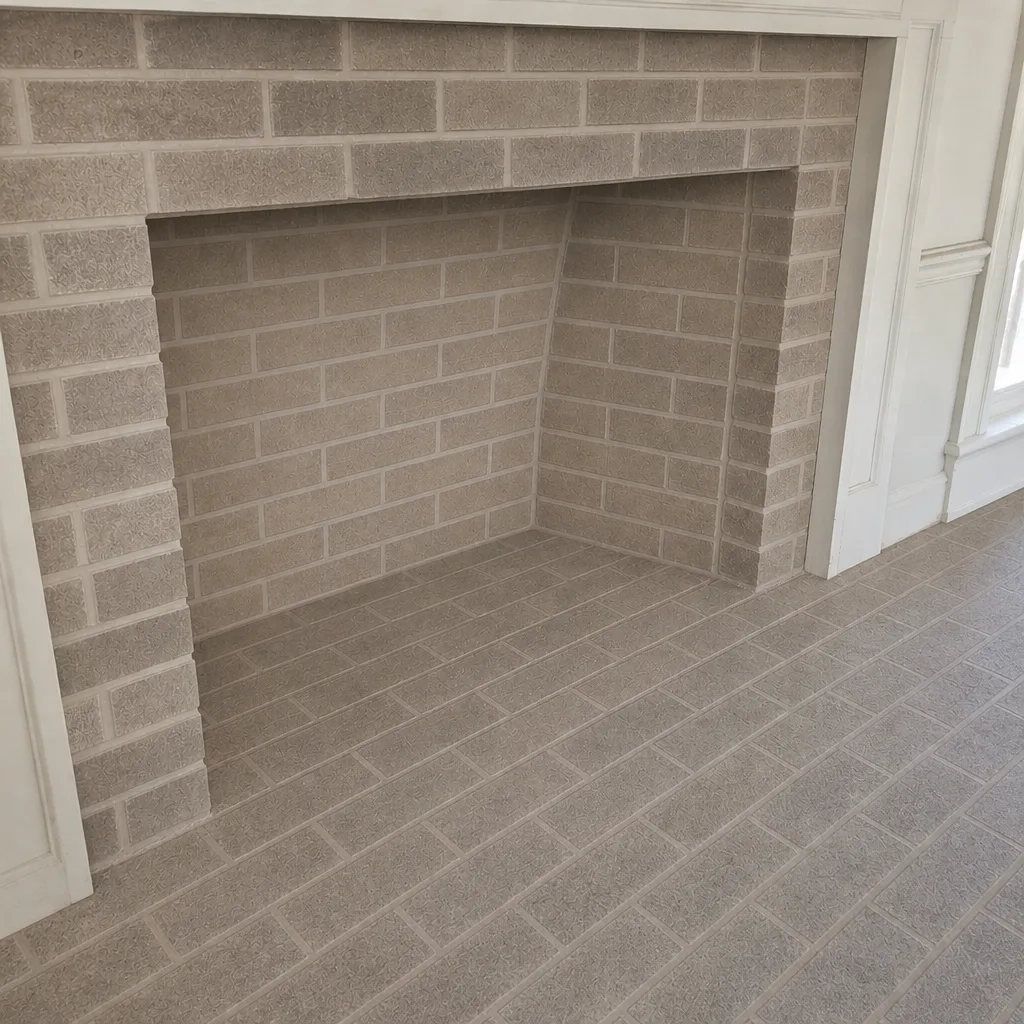 After
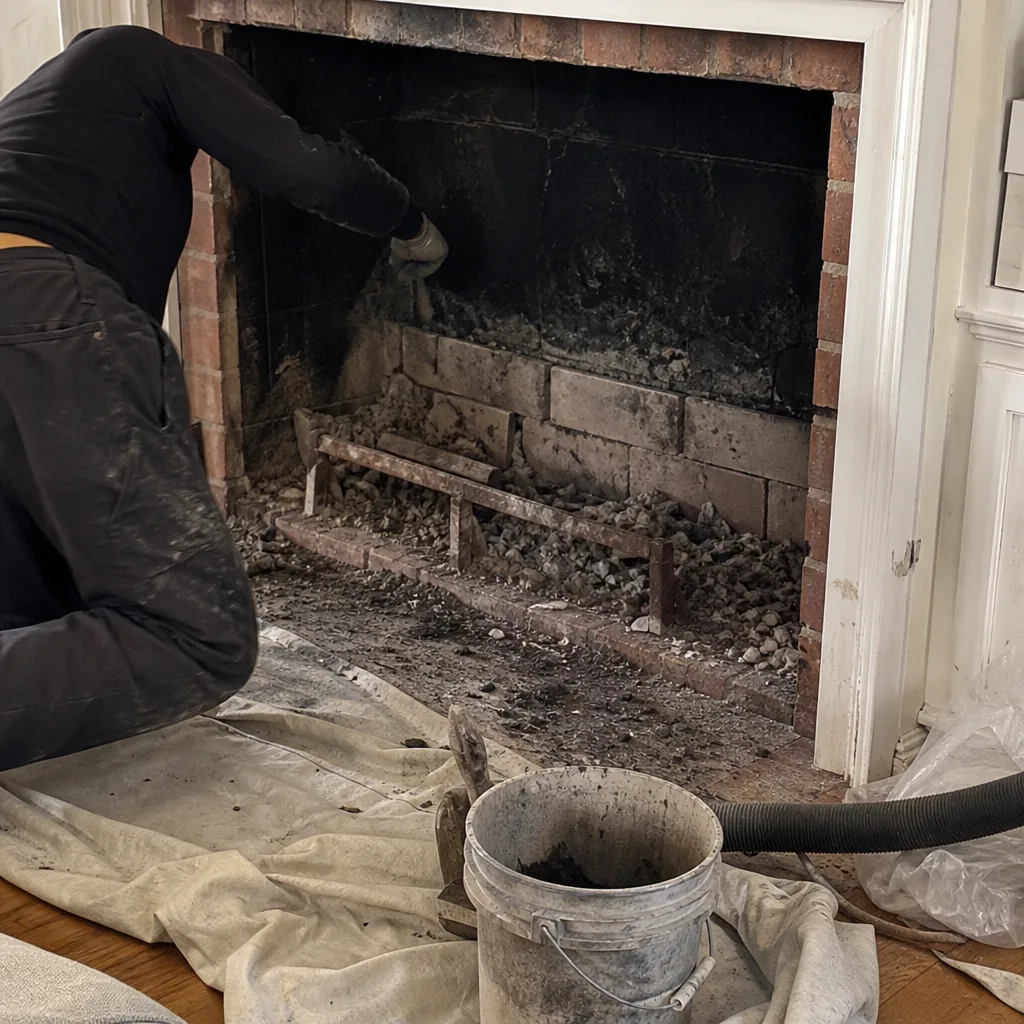 Before
 After
 Before
 After
When to Call a Professional
Some chimney problems announce themselves. Others sit quietly until they don’t. Call a professional if you noticed a strong, sharp creosote odor, if smoke rolls back into the room instead of going up, if you can see cracked or missing mortar on the exterior, if the damper sticks or won’t seal, or if you’ve just moved into a home and have no record of when the chimney was last serviced. If an inspector or insurance adjuster flagged something, get it evaluated before deciding anything. And if the fireplace is wood-burning and you burn regularly, an annual sweep and inspection is the baseline, not an optional extra.
A clean flue isn’t cosmetic. It’s the difference between a working fireplace and a fire or carbon monoxide risk, and the only way to know the difference is to look. Chimney Sweep Myers Park offers free estimates in Myers Park. Call (833) 902-6314. We answer 24/7. Fast dispatch from 7am to 7pm, Sunday through Friday.
Frequently Asked Questions
Most chimney sweeps in Myers Park fall in a modest range, and the exact price depends on the flue, the access, and how much buildup the sweep has to clear. The written estimate sets the final price before any work is booked, so there are no surprises. Call (833) 902-6314 for an exact quote. Estimates are free.
Only if the inspection shows the existing flue is damaged or undersized for the appliance. A clay tile with a single hairline crack doesn’t always call for a full replacement, and HeatShield resurfacing can often restore the flue without demolition. Nothing should be recommended that isn’t backed by camera evidence you can look at yourself. If the evidence says it can wait, we’ll tell you. Call (833) 902-6314 for an assessment. Estimates are free.
Once a year for a wood-burning fireplace in regular use, and more often if you burn heavily or notice creosote buildup. Myers Park’s older chimneys sometimes have liners that accumulate faster than a modern install, so the inspection matters as much as the sweep. Call (833) 902-6314 to book. Estimates are free.
Creosote builds up in layers, and at a certain density it’s the fuel a chimney fire needs. A blocked or damaged flue can also stop gases from venting properly, which is the carbon monoxide concern. Nothing here is meant to alarm you. It’s meant to say that a sweep and inspection are cheap insurance against a problem you can’t see. Call (833) 902-6314. Estimates are free.
Three things. Chimney work should be their core business rather than one service on a long list. The estimate should be in writing and itemized before work is booked. And the inspection should produce a documented report with photos you can keep. Ask about materials by name. A specialist will have real answers, and a generalist won’t.
It can be, but only if it’s documented. A quick visual check with a verbal summary isn’t the same as a written inspection report with photos and named findings. Ask what report you’ll receive and whether you can keep a copy. If the answer is vague, book the inspection as its own service so you know what you’re getting.
Often yes, and the inspection report should tell you which items can safely wait and which shouldn’t. A specialist will say so plainly, because an honest spectrum of recommendations is more credible than one urgent number. If nothing needs to be done now, you’ll hear that. To talk through what a report found, call (833) 902-6314.
The Bottom Line
Hiring a chimney contractor in Myers Park comes down to evaluating depth of expertise, not just credentials. Anybody can pass a certification exam. The questions that separate a specialist are what percentage of their work is chimney systems, whether they sell inspection as a standalone service, and whether they can name the products they specify. Look for a written estimate with line items. Look for a documented inspection report with photos. Look for brand names like DuraFlex and HeatShield in the quote. And look for a contractor who tells you when work can safely wait. From the firebox to the cap, one specialist who handles every stage is the difference between a chimney you trust and one you’re guessing about. You can read about chimney cap & crown and fireplace repair work in Myers Park on our site when you’re ready to take the next step.
Chimney Sweep Myers Park covers inspection, sweeping, cap and crown work, fireplace repair, and structural chimney repair. The local professional we connect you with is licensed and insured as their state requires. For a free estimate, call (833) 902-6314. We answer 24/7. Fast dispatch from 7am to 7pm, Sunday through Friday.
Written by the team at Chimney Sweep Myers Park.